
Home / Custom Plastic Injection Molding and Tooling in China
CKMOLD supports OEM, engineering and sourcing teams from manufacturability review through mold construction, sample approval and repeat production. The commercial priority is reliable molded parts; export tooling is available when the mold will run in your own facility.
Start with a 3D CAD file, resin target, expected quantities and the dimensions that matter to function. Our team will identify the practical quotation path instead of forcing every project into the same tooling package.
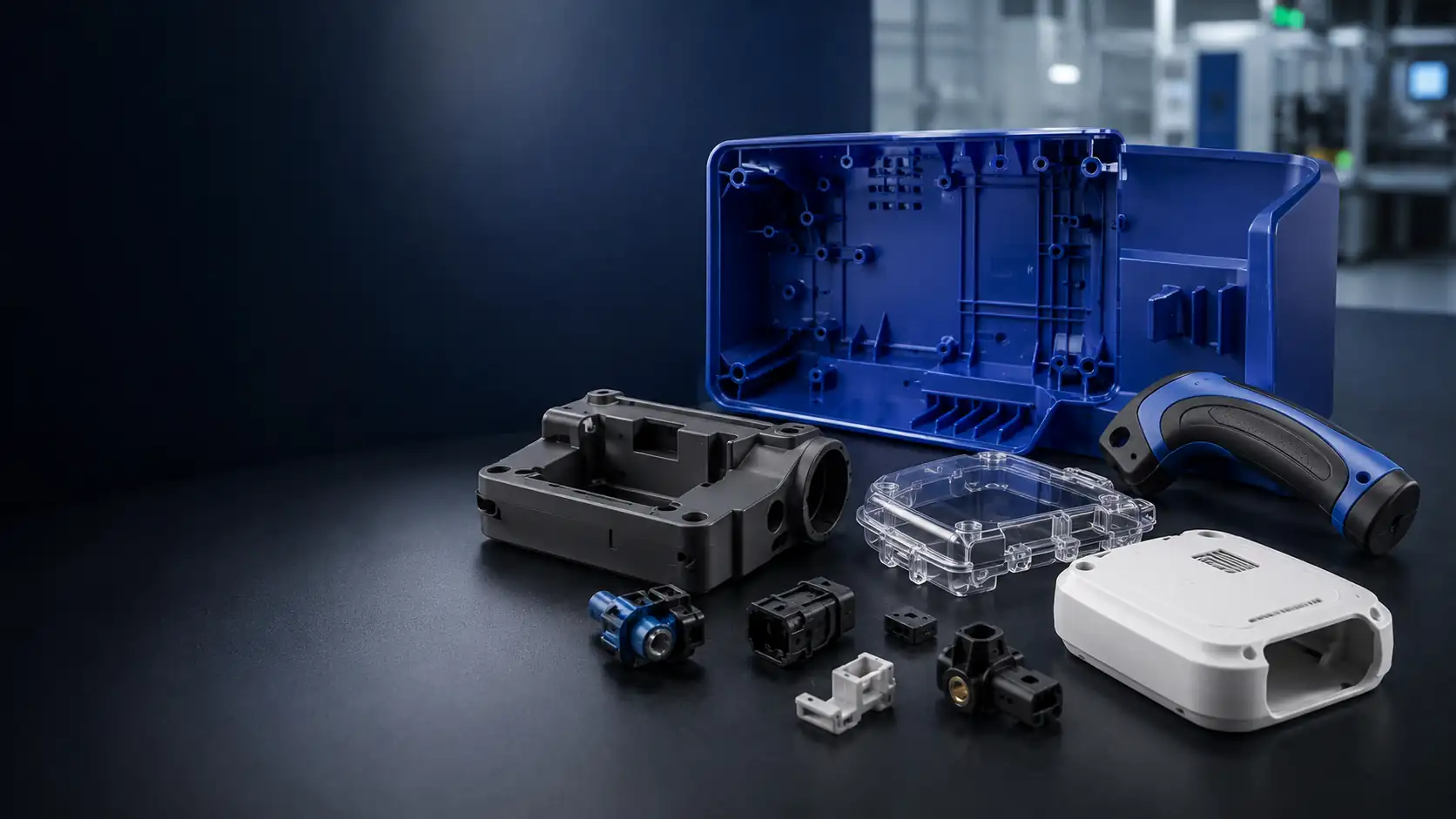
Injection mold and molded-part project experience
Published in-house injection molding capacity
ISO 9001, ISO 14001, ISO 13485 and IATF 16949 scopes shown on About
Files, samples, reports and export coordination
Reviewed by CKMOLD project engineering • Last updated August 2026
The fastest route depends on whether you are creating a tool, restarting production with an existing tool, or buying an export mold for another molding location.
For teams with a mature part design that need DFM, tooling, trials and production parts from one accountable supplier.
For an owned tool that must be received, inspected, matched to a press and qualified before production restarts.
For overseas molders and OEMs that need a documented tool built to the destination machine, component and handover requirements.
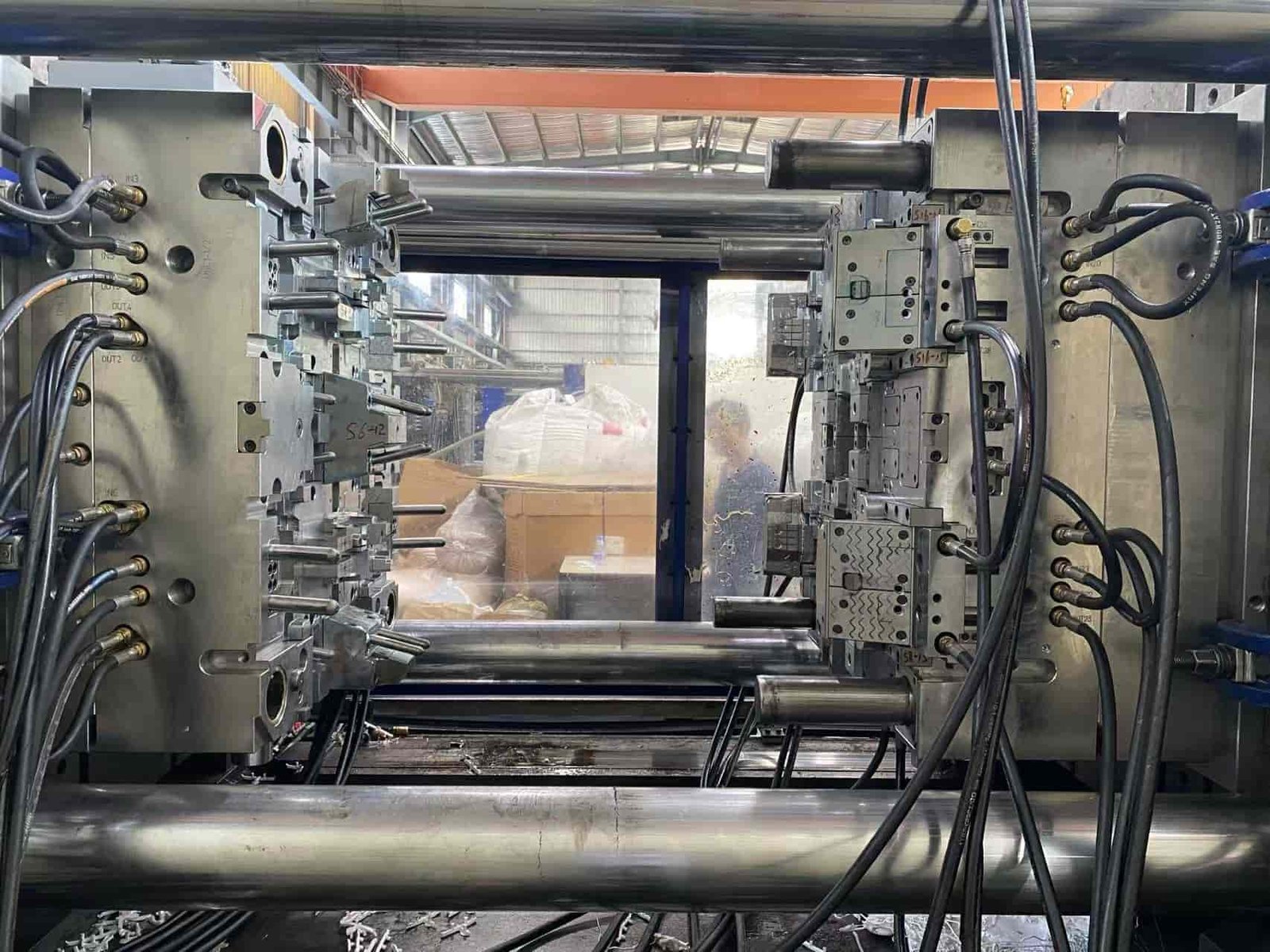
A mold is valuable only when it can produce acceptable parts at the required rate, with a process that can be repeated and maintained. Gate position, cooling, ejection, steel, cavity count and venting are therefore reviewed together with resin behavior, cosmetic zones and inspection needs.
During trial and production preparation, CKMOLD records the conditions that influence fill, pack, cooling and release. Approval is based on agreed samples and requirements—not on a tool merely opening and closing.
Each service page addresses a different buying decision. Use the route that matches your current project stage.
Prepare a mature concept, sample or CAD model for molding without positioning CKMOLD as a full industrial-design agency.
Separate mandatory manufacturability changes from optional improvements before tooling approval.
Define mold architecture, gates, cooling, ejection, actions, steel and machine interfaces.
Use production resin and molded samples when printed prototypes cannot answer material or process questions.
Balance tooling investment, setup cost and repeat-batch needs for limited annual demand.
Engineer insert retention, sealing, material adhesion and loading strategy for multi-material parts.
Capability is confirmed against the part, resin, mold and approval plan. Where a universal number is not verified, CKMOLD confirms the limit during RFQ rather than publishing a guess.
Mold engineering, CNC machining, EDM, wire cutting, fitting, polishing, assembly and corrective work support new tools and existing-tool programs.
In-house injection molding capacity is published up to 1200T. The selected press, shot size, tie-bar clearance and handling method are checked for every mold.
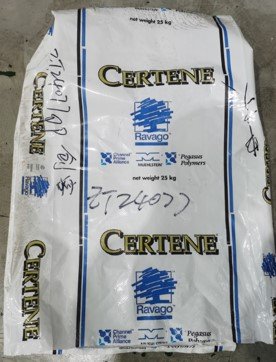
Material selection affects shrinkage, drying, wear, venting, surface appearance, color control and the production window. CKMOLD works with common thermoplastics and verified engineering resins, but a family name such as PA or TPE is not enough for final process planning.
Share the supplier and grade when specified. If the grade is open, describe temperature, impact, chemical, UV, electrical, appearance and compliance requirements so alternatives can be reviewed without silently changing the design basis.
The sequence changes with project risk, but the release points stay visible so commercial and engineering decisions do not blur together.
CAD, drawings, resin, quantities, finish, critical dimensions, target date and destination establish the quotation basis.
DFM, mold concept, interfaces and open risks are resolved before steel or major purchased components are committed.
Machining and assembly lead to controlled trials, sample review, reports and documented revisions.
Approved samples and process information are transferred into production, inspection, packaging and repeat-order planning.
Overseas projects depend on visible records. The required evidence should be specified before the trial, not requested after samples have shipped.
Confirm resin grade, drying needs, mold/press match, sample plan and the dimensions or features that control approval.
Review process settings, cavity identity, part appearance, dimensions, assembly and function according to the project plan.
Release tooling or parts only after agreed corrections, documents, protection, labels, packing and destination requirements are complete.
Industry requirements differ. CKMOLD does not extend a certificate or quality claim beyond its stated scope; the quotation identifies project-specific documents and outside validation that remain the customer’s responsibility.
Plastic housings and components where material records, revision control and defined inspection are important. No claim of finished medical-device approval.
Functional and interior plastic parts with cavity identity, appearance limits, assembly interfaces and customer-specific documentation.
Enclosures, connectors, appliance parts and engineered products balancing finish, fit, material and repeatable production.
Yes. For a Mold + Parts program, tooling assumptions and part-production assumptions are separated so your team can see what drives each cost. The quotation still depends on usable CAD, resin, volume, finish and approval requirements.
Potentially. The mold first needs an intake review covering ownership, condition, dimensions, press interfaces, hot-runner or electrical requirements, available history and sample expectations. Repair or modification is quoted before production restart when necessary.
Describe the application and performance requirements, then share any approved supplier list or regulatory constraint. CKMOLD can discuss process and tooling implications, while final material qualification remains tied to the selected grade and customer approval.
No. Standard sample and inspection information is defined with the project. FAI, PPAP, capability studies, material certificates or customer formats should be identified at RFQ because scope and cost vary.
A first response is normally sent within one business day. Complex assemblies, incomplete files or transfer tools may require a request for missing information before a reliable quotation can be prepared.
Complete the RFQ with resin, quantities, finish, critical tolerances, target date and shipping location, then email the 3D CAD and 2D drawing separately to jerry@ckmold.com. If the design is controlled, request an NDA before sending restricted files.
Use this short form for a general inquiry. For a quotation, complete the full RFQ and email any 3D/CAD files separately to jerry@ckmold.com.
Join our mailing list and receive a 10% discount on your next mold or CNC project.