
Is there anything more frustrating than inspecting a freshly molded part, only to find it marred by tiny black specks? This common defect can derail production, increase scrap rates, and damage your reputation for quality. You might feel like you’re chasing ghosts, unsure where the contamination is coming from. The solution often lies in preventing the problem at its source, starting with your most basic component: the raw material.
To prevent black specks, you must start with strict raw material quality control. Always source polymers from trusted suppliers and verify each batch upon arrival. Store materials in sealed, clean, and dry containers to avoid environmental contamination from dust or moisture. A simple visual inspection of the pellets before they enter the hopper can be your first line of defense, catching foreign particles or signs of degradation before they ruin your production run. This proactive approach is the most effective way to ensure a clean process.
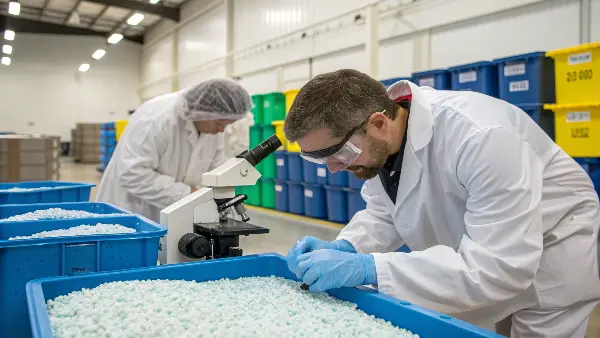
I’ve learned this lesson the hard way. Early in my career, we faced a major issue with black specks on a large order of white medical device housings. We chased the problem for days, purging the machine, cleaning the mold, and adjusting every parameter we could think of. The issue, it turned out, was a contaminated batch of raw material that had been stored improperly in our own warehouse. It was a costly lesson in the importance of starting with a clean foundation.
This experience taught me that solving injection molding defects isn’t just about fixing the machine; it’s about understanding the entire process from start to finish. To truly eliminate black specks for good, we need to dive deeper into the specific causes and develop a systematic approach to find and fix them. Let’s break down where these defects come from and how you can stop them.
What Really Causes Those Annoying Black Specks in Injection Molding?
You follow all the standard procedures, purge the machine between runs, and keep a clean workspace, yet those infuriating black specks still appear on your parts. This persistent problem can make you question your equipment, your materials, and even your team’s processes. It feels like a never-ending battle against an invisible enemy. But what if the cause is hidden in plain sight? Understanding the primary sources is the first step toward a permanent solution.
The most common causes of black specks in injection molding are material degradation, contamination, and mechanical wear. Material degradation occurs when plastic is overheated or stays in the barrel too long, causing it to burn and char. Contamination can happen when foreign particles, like dust, dirt, or even different colored pellets, mix with your raw material. Lastly, worn-out machine components, such as the screw or barrel, can shed metal fragments that appear as black specks in the final product.
To truly get a handle on this, you need to think like a detective and investigate each of these potential culprits. Each one leaves different clues and requires a unique solution. I remember a client, Michael, who was struggling with specks in a clear polycarbonate part. He was convinced it was contamination. After some investigation, we realized his cycle time was too long for that specific material, causing the plastic to sit and degrade in the hot barrel. A simple adjustment to the process parameters solved a problem he’d been fighting for weeks. This is why a systematic approach is so important; it helps you see beyond the obvious.
Let’s break down these root causes further.
The Three Main Culprits
- Material Degradation: This is often the prime suspect. Plastic has a thermal limit. If it gets too hot or sits at a high temperature for too long (excessive residence time), its polymer chains break down. This "burning" creates carbonized material, which then flakes off and gets injected into your parts.
- Contamination: This source is external. It could be anything that isn’t supposed to be in your primary material. Think about dust from the air, cardboard fibers from packaging, or residual pellets from a previous production run of a different color (especially black).
- Mechanical Wear: Your injection molding machine is a powerful piece of equipment, but it’s not invincible. Over time, the constant friction and high pressure can cause the screw, barrel, or check ring to wear down. Tiny metal filings can break off and mix with the molten plastic, appearing as small, sharp-edged black specks.
Here’s a table to help you distinguish between them:
| Cause | Typical Appearance of Specks | Common Indicators |
|---|---|---|
| Material Degradation | Streaky, brownish, or dull black spots | Smells of burnt plastic, process temps are too high |
| Contamination | Randomly shaped, can be various colors | Poor material handling, dusty environment |
| Mechanical Wear | Small, shiny, often with sharp edges | Machine has high hours, screw recovery is inconsistent |
Understanding these differences is key to diagnosing your problem quickly and accurately, allowing you to apply the right fix without wasting time and resources on the wrong solution.
Where Do Black Specks in Polymers Actually Come From?
Your process seems perfect, and your machine is well-maintained, but you’re still seeing black specks. You start to wonder if the problem exists before the plastic even enters your factory. It’s a frustrating thought—that you could be fighting a battle that was lost before you even began. This uncertainty can lead to disputes with suppliers and costly material testing. But what if you could identify the source of contamination with confidence?
Black specks in polymers can originate from several points along the supply chain, long before they reach your molding machine. Common sources include contamination during the resin manufacturing process, improper packaging or shipping that introduces foreign debris, or poor storage practices at your own facility. Even mixing different grades or batches of the same polymer can sometimes cause black specks if their additives are incompatible. A thorough incoming material inspection process is crucial to catch these issues at the door.

One of the most effective strategies I’ve implemented with my clients, including business owners like Michael, is creating a simple but strict "Incoming Material Checklist." It’s not complicated. We train the receiving team to check for broken seals on bags, signs of moisture, and any visible discoloration or debris in the pellets. We even have them take a small sample from a few bags in each shipment and spread it on a clean, white surface under good lighting. This simple, five-minute check has saved them countless hours of production downtime and thousands of dollars in scrapped material. It empowers your team to be the first line of defense.
Let’s dig deeper into the journey of your raw material and pinpoint the specific weak spots where contamination can occur.
Tracing the Contamination Trail
Think of your raw material’s journey as a chain of events. A weakness in any link can lead to defects.
- The Manufacturer: While reputable manufacturers have stringent quality control, errors can happen. A batch can become contaminated with carbonized material from the reactor or extruder, or cross-contaminated with another polymer type during production changeovers. This is why supplier qualification and requesting a Certificate of Analysis (CoA) for each batch is so important.
- Packaging and Transit: The material leaves the manufacturer in a pristine state, but what happens next? Bags can be torn by forklifts, pallets can be stored in dirty warehouses, or containers can be exposed to the elements during shipping. Dust, dirt, wood splinters, and moisture can all find their way into the packaging. Always inspect the condition of the bags or octabins upon arrival.
- Your Warehouse: The final leg of the journey is often the most critical. Storing polymer bags directly on a concrete floor can introduce moisture and dirt. Keeping them near grinding stations or high-traffic areas increases the risk of dust contamination. Implement a policy of storing materials on pallets in a designated, clean, and dry area. Ensure bags are securely sealed after being opened.
Here’s a simple process flow to visualize the potential contamination points:
| Stage | Potential Contamination Source | Prevention Strategy |
|---|---|---|
| 1. Manufacturing | Cross-polymer contamination, burnt material | Work with certified suppliers, request CoA for each lot |
| 2. Packaging | Dust, fibers from packaging material | Ensure supplier uses high-quality, clean packaging |
| 3. Shipping | Torn bags, exposure to dirt/moisture | Inspect all shipments for damage upon arrival before signing |
| 4. Warehouse | Dust, dirt, improper handling, moisture | Store on pallets, seal open bags, maintain a clean storage area |
| 5. At the Machine | Topping off hoppers, airborne dust | Use hopper loaders with lids, clean hoppers between jobs |
By carefully managing each stage, you transform quality control from a reaction into a proactive strategy, stopping black specks before they ever have a chance to enter your molding process.
How Do You Systematically Troubleshoot and Eliminate Black Specks on Plastic Parts?
You’ve identified a black speck problem on your production line. Now the pressure is on to fix it fast. Randomly adjusting temperatures or purging the barrel without a clear plan can waste valuable time and material, all while the pile of rejected parts grows. It’s a high-stakes guessing game that can leave operators feeling stressed and management getting impatient. You need a reliable method that gets to the root cause quickly and efficiently.
To systematically troubleshoot black specks, follow a logical, step-by-step process. First, isolate the problem by checking the raw material for contamination. If the material is clean, move to the machine. Purge the barrel and inspect the purged material for signs of burning or debris. Next, examine process parameters for excessive heat or residence time. Finally, if the problem persists, inspect the mold for venting issues and the machine’s screw and barrel for mechanical wear. Document each step and only change one variable at a time.
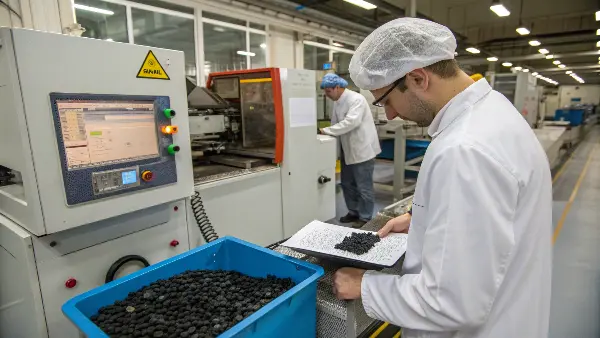
The "one variable at a time" rule is the most important part of this process. I’ve seen teams change the temperature, the back pressure, and the cycle time all at once. When the problem goes away, they don’t know which change was the actual solution, so they can’t replicate it or prevent it from happening again. A better approach is to create a troubleshooting flowchart. Start with the easiest and cheapest things to check first—like the material in the hopper—before moving on to more complex and costly actions like pulling the screw for inspection. This structured method not only solves the problem faster but also builds a knowledge base for your team to use in the future. It turns a chaotic situation into a controlled, educational process.
Let’s build out that systematic troubleshooting guide.
Your Step-by-Step Troubleshooting Plan
When black specks appear, don’t panic. Grab a notepad (or open a digital log) and work through these steps in order.
Step 1: Inspect the Source (The Material)
- Check the Hopper: Is there any visible debris, dust, or mixed-color pellets in the machine’s hopper?
- Take a Virgin Sample: Get a sample of the raw material directly from the bag or silo. Is it clean? Compare it to the material in the hopper. This will tell you if the contamination is happening at the machine or before it.
- Dryer Check: If using a dryer, check its filters. They can sometimes accumulate dust and fines that get reintroduced into the material.
Step 2: Investigate the Process (The Machine Settings)
- Purge the Barrel: Use a suitable purging compound and examine the purged material (the "purgings"). Are there dark streaks or chunks of carbon? This points to degradation. If the specks stop after a thorough purge but return later, you likely have a "dead spot" in the barrel or nozzle where material is sitting and burning.
- Review Parameters: Are your barrel temperatures too high for the material’s specifications? Is the residence time (the time the material spends in the barrel) too long? Long cycle times or an oversized machine for the shot size are common causes.
Here’s a table of parameters to check:
| Parameter | Potential Issue | Recommended Action |
|---|---|---|
| Barrel Temperature | Set too high, causing thermal degradation | Lower temperatures in 5-10 degree increments (within spec) |
| Residence Time | Material sits in the barrel for too long, burning | Use a smaller machine if possible, or reduce cycle time |
| Back Pressure | Too high, can generate excessive shear heat | Reduce back pressure to the minimum needed for a consistent shot |
| Screw Speed (RPM) | Too high, can also create excessive shear heat | Lower the screw RPM during recovery |
Step 3: Examine the Hardware (The Machine & Mold)
- Mold Inspection: Check the mold vents. If they are clogged, trapped hot gases can cause the plastic to burn (a phenomenon known as the diesel effect).
- Hardware Inspection: If all else fails, the issue may be mechanical. This is the last resort as it requires significant downtime. Schedule a maintenance check to inspect the screw, barrel, check ring, and nozzle for signs of wear, nicks, or damage. Worn components must be replaced to permanently solve the problem.
By following this logical flow, you replace guesswork with a data-driven method, allowing you to pinpoint and eliminate the source of black specks with confidence.
Conclusion
Preventing black specks is not about a single magic fix, but about disciplined process control. It starts with rigorously vetting your raw materials and continues with careful handling, optimized machine settings, and regular maintenance. By adopting a systematic, detective-like approach to troubleshooting, you can turn a frustrating defect into a manageable—and preventable—issue. This focus on foundational quality ensures cleaner parts, less waste, and a more reliable and profitable production process.