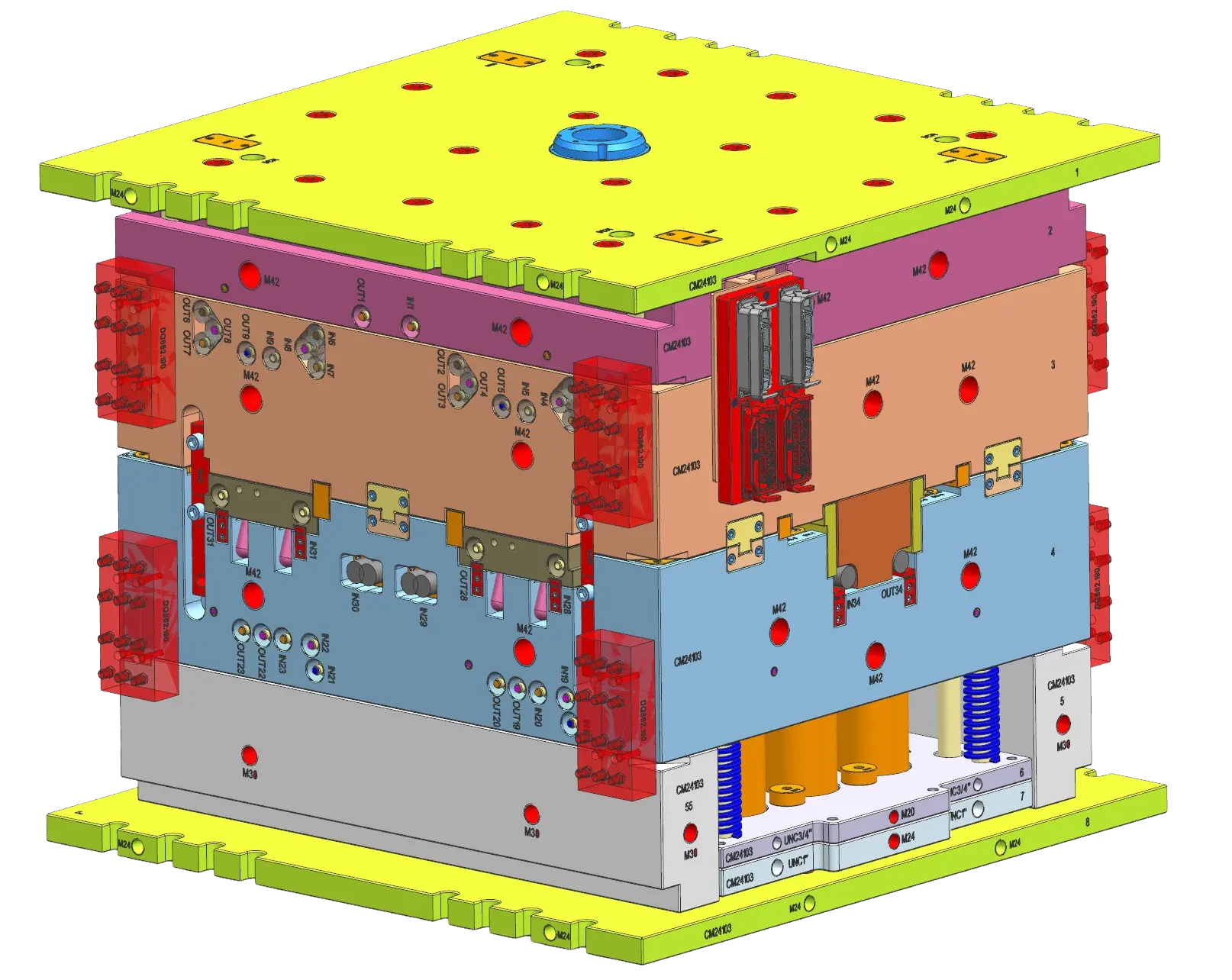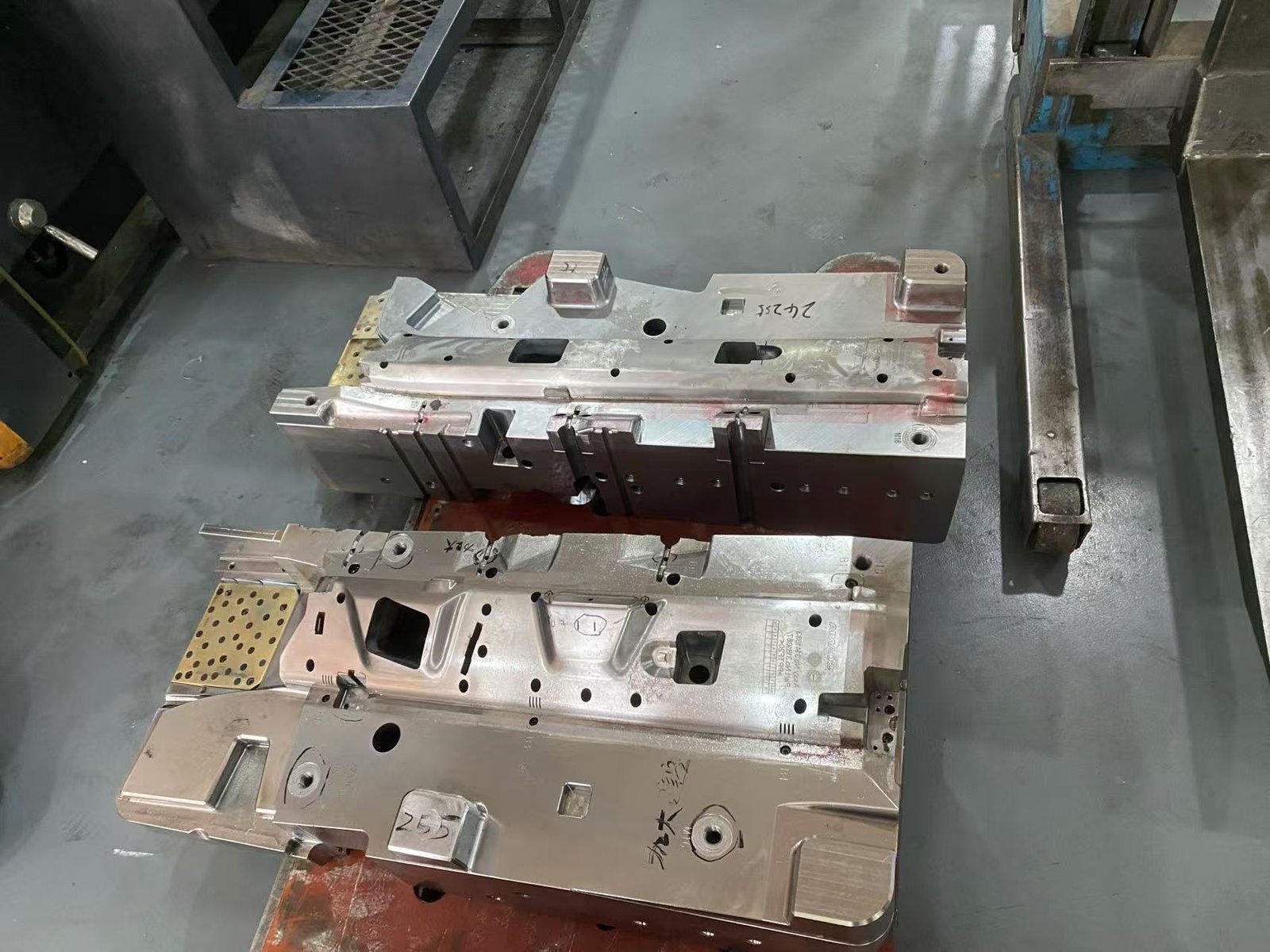
Injection Mold Manufacturing Services in China

From DFM review and mold design to CNC machining, trial molding and export shipment, CKMold provides custom plastic injection mold manufacturing services for global customers.

Custom Injection Mold Making Service by CKMold

CKMold provides complete injection mold making services with a focus on precision, manufacturability and practical project communication. Based in China and serving overseas customers, we support new product development, prototype tooling, production molds, mold modification and plastic injection molding.

Our engineering team reviews your 3D drawings, 2D drawings, material requirements, surface finish, tolerance needs and target production volume before recommending a mold structure. This helps reduce avoidable design changes and makes the mold build easier to control from quotation to T1 samples.

  • Custom plastic injection molds for prototypes and production
  • DFM review, mold design and mold-flow discussion when required
  • CNC machining, EDM, fitting, polishing and mold assembly
  • Trial molding, sample inspection and mold adjustment
  • Mold export preparation or ongoing injection molding support

Custom Mold Engineering and Steel Selection

The right mold steel affects mold cost, lead time, service life, surface finish and maintenance. CKMold selects steel according to part material, annual volume, tolerance, texture, corrosion risk, glass fiber content and expected mold life.

For a simple ABS or PP part, a pre-hardened steel may be enough. For abrasive engineering plastics, transparent parts, high-volume production or tight tolerance components, hardened or corrosion-resistant steel may be the better investment. Our quotation explains the recommended steel choice so you understand both cost and performance.

Injection Mold Steel Selection Guide

This guide explains common injection mold steels, how they are selected, and what information CKMold needs to recommend a suitable tooling solution for your plastic part.

What Are Plastic Mold Steels?

Plastic mold steels are tool steels designed to handle pressure, heat, wear and repeated molding cycles. They must be machinable enough for accurate mold making and durable enough to keep part dimensions stable during production.

CKMold evaluates mold steel based on your plastic resin, part geometry, surface finish, production volume and budget. The goal is not always to choose the most expensive steel. The goal is to choose the steel that fits your mold life and production risk.

Key Characteristics of Plastic Mold Steels

When selecting mold steel, CKMold reviews the properties that matter most for injection molding performance:

  • Hardness and wear resistance: important for long mold life and abrasive plastics.
  • Polishability: required for transparent parts or high-gloss surfaces.
  • Corrosion resistance: useful for PVC, flame-retardant plastics and humid production environments.
  • Machinability: affects tooling lead time and cost.
  • Toughness: helps reduce cracking and damage on complex mold structures.
  • Heat treatment stability: important for dimensional accuracy after hardening.

How to Select the Right Injection Mold Steel

Choosing mold steel is a balance between cost, cycle life and part requirements. CKMold considers the following factors before making a recommendation:

  • Expected annual production volume and mold life
  • Part size, wall thickness, ribs, undercuts and complexity
  • Plastic material, fillers and additives
  • Surface finish, texture and polishing requirements
  • Dimensional tolerance and assembly function
  • Cooling, ejection and maintenance needs

Common Steel Types Used for Injection Molds

P20 is widely used for general injection molds because it offers a good balance of machinability, hardness and cost. For higher mold life, abrasive plastics, transparent parts or corrosive materials, CKMold may recommend steels such as H13, S136, 718, NAK80 or other tool steels depending on the application.

We do not treat steel selection as a generic checkbox. The mold material should match the resin, production volume and quality expectations of your project.

🔍 Comparison of Common Mold Steels (Used by CKMOLD)

Mold SteelHardness (HRC)Key PropertiesTypical ApplicationsSuitable Plastic Materials
S50C19–22 HRCMedium carbon steel with good wear resistance; reduced ductilityMold bases, trial molds, low-volume productionPP, PE, ABS, rubber, soft plastics
P2030–36 HRCExcellent machinability, good polishability, affordableInjection molds, blow molds, extrusion toolsPP, PE, ABS, PS, PA, rubber
273829–33 HRCGood polishability and processing stabilityPolished surface moldsPP, PE, ABS, PS, PA
718H34–38 HRCPre-hardened; excellent polishability and wear resistanceHigh-finish part molds, blow moldsPA, POM, PS, PE, PP, ABS, PBT
NAK8037–43 HRCGood for high-gloss and transparent parts; easy to machineTransparent molds, mirror-polished toolsPC, PMMA (acrylic), optical plastics
208348–52 HRCCorrosion-resistant, wear-resistant, good machinabilityCorrosive material injection moldsPVC, POM
2344 (H13 equivalent)48–52 HRCExcellent toughness, heat resistance, polishabilityEngineering plastics, inserts for PA+GF/CFPA+GF, PA+CF
H1350–54 HRCHot-work die steel; wear and heat resistantHigh-temp molding, die casting, insertsPAI, PEEK, LCP, PEI, PPSU
S13648–54 HRCPremium polishability, high corrosion resistanceTransparent parts, corrosive resinsPC, PMMA, POM, PVC, medical-grade resins

💡 Notes from CKMOLD Experts:

  • Need mirror finish? Choose NAK80 or S136.

  • Handling corrosive plastics? Go with 2083 or S136.

  • Molding glass-filled or high-temp plastics? We recommend 2344 or H13.

  • Working with large molds or high output? P20 and 718H offer excellent cost-performance ratio.

How CKMold Chooses Tool Steel for Your Mold

CKMold chooses tool steel by looking at the full project, not only the mold price. A low-cost steel may be suitable for a short-run tool, while a hardened steel may reduce long-term risk for a production mold. During quotation, we can explain the steel option, expected mold life and maintenance considerations.

SPI Mold Classification and Design Standards

CKMold can build molds according to common SPI mold classifications, from prototype tools to high-volume production molds. These classifications help define mold life, steel selection, mold base requirements, wear components and expected production performance.

🥇 Class 101 MoldUltra High Volume (1,000,000+ cycles)

CKMOLD High-Performance Tooling for 24/7 Production

  • Complete 3D/2D mold structure drawings required

  • Mold base: Minimum hardness of 28 HRC

  • Cavity and core: Minimum hardness of 52 HRC (e.g., H13, S7)

  • All moving and wear components (ejector pins, lifters, slides, etc.) must be hardened

  • Guided ejection system required

  • Slides must include wear plates or inserts

  • Positive parting line locks to ensure alignment during high-speed production

  • Comprehensive cooling systems designed into cavities, cores, and slides

  • Components exposed to cooling water should use stainless materials (e.g., S136) or have anti-corrosion treatment to prevent rust and reduce maintenance


🥈 Class 102 MoldHigh Volume (≤ 1,000,000 cycles)

Built for durability, moderate complexity, and long service life

  • Full mold structure drawings required

  • Mold base: Minimum hardness 28 HRC

  • Cavities/cores: At least 48 HRC

  • All wear-prone areas must be properly heat treated

  • Efficient cooling lines should be embedded in all plastic-contact areas

  • Parting line locks recommended for mold alignment and life extension


🥉 Class 103 MoldMedium Volume (≤ 500,000 cycles)

Cost-effective tooling for mid-range production

  • Mold structure drawings required

  • Mold base: Minimum 15 HRC

  • Cavities/cores: Minimum 38 HRC

  • Wear components optional depending on application and part tolerance requirements

  • Suitable for consumer products and non-cosmetic parts with moderate lifespan


🔹 Class 104 MoldLow Volume (≤ 100,000 cycles)

Pilot or low-volume tooling at minimized investment

  • Basic mold drawings required

  • Mold base can be made from mild steel

  • Cavities/cores: Minimum 15 HRC, usually pre-hardened steels like P20

  • Suitable for pre-production runs, marketing samples, or secondary part development


🔸 Class 105 MoldPrototype Use (≤ 500 cycles)

Rapid tool for concept validation or fit-testing

  • Constructed using low-cost materials such as aluminum, cast metal, or epoxy

  • Not suitable for production; intended for short-term use only

  • Quick turnaround, low tooling cost — ideal for design verification


📩 Need help selecting the right SPI mold class for your project? Talk to CKMOLD’s Engineering Team — we’ll recommend the best solution based on your part geometry, plastic type, and production targets.

Injection Mold Pricing and Quotation

Clear pricing starts with clear project information. CKMold prepares injection mold quotations based on part complexity, mold structure, steel selection, cavity number, tolerance, finish and production requirements.

Understanding Injection Mold Pricing

The cost of a custom injection mold depends on part size, mold complexity, steel grade, cavity number and production volume. A simple low-volume single-cavity mold may cost much less than a hardened multi-cavity production mold with sliders, lifters, tight tolerances and polished surfaces.

Instead of giving a one-size-fits-all price, CKMold reviews your part files and explains the main cost drivers in the quotation.

How Much Does a Custom Injection Mold Cost?

At CKMOLD, injection mold pricing varies depending on the mold complexity, size, and production volume requirements.

  • A simple, single-cavity mold designed for low-volume production typically ranges from $1,000 to $3,000.

  • More complex molds for larger parts or multi-cavity designs can cost $10,000 or more.

  • On average, a standard mold producing a straightforward part roughly the size of a handheld item usually costs around $5,000.

Understanding these estimates highlights the importance of early design planning and optimization, which can significantly reduce tooling costs and accelerate your time to market.

Factors That Influence Injection Mold Cost

Injection mold cost can vary widely. CKMold considers these key factors when preparing a mold quotation:

FactorImpact on Cost
Mold Size & ComplexityLarger and more intricate molds require more materials and labor, increasing overall costs.
Mold Steel MaterialHigher-grade steels (e.g., hardened tool steels) cost more than mild steel or aluminum alternatives.
Mold DesignNumber of cavities, gate locations, ejector pins, and complexity of design all affect pricing.
Production VolumeHigh-volume molds are engineered for durability and longevity, resulting in higher upfront costs but lower cost per part.
Manufacturing Location & SupplierLabor and material costs vary by region; molds produced in China typically offer competitive pricing without compromising quality.
Additional FeaturesHot runner systems, advanced temperature controls, and automation increase mold complexity and cost.

Providing detailed and accurate information about your project and working closely with CKMOLD’s experienced team helps us deliver precise, fair, and competitive mold pricing tailored to your needs.

How to Get an Accurate Injection Mold Quote

To receive a faster and more accurate injection mold quotation, send as much project information as possible. Even if your files are not complete, CKMold can still review the part and tell you what is missing.

1. 📄 Provide Detailed Part Specifications

Clearly describe your part:

  • Function and usage scenario

  • Overall dimensions and geometry

  • Material to be used (e.g., PP, ABS, PC)

  • Target quantity and delivery schedule

2. 🛠 Clearly Define Mold Requirements

Let us know your mold preferences:

  • Mold type: Hardened steel, Pre-hardened steel, or Aluminum

  • Surface finish: Polished, Textured, Etched, etc.

  • Special features: Cooling channels, Hot runner, Ejector system, etc.

3. 📊 Share Your Expected Production Volume & Timeline

Inform us about:

  • Estimated annual production volume

  • Mold lifespan expectations

  • Any production milestones or deadlines

4. 🧩 Submit Mold Design Files

  • Provide 3D CAD files (preferably in STEP/STP, IGS, or X_T format)

  • If available, include 2D drawings with tolerances

  • Let us know your preferred design software, if applicable

5. 📏 Provide Accurate Part Dimensions and Tolerances

  • Include any critical tolerances or assembly requirements

  • Inform us of shrinkage factors, insert areas, and undercuts

6. 💬 Request a Comprehensive Quote

We will provide a detailed quotation that includes:

  • Mold design and manufacturing cost

  • Tooling components (e.g., inserts, sliders, ejector system)

  • Sample or T1 part cost

  • Optional extras (e.g., texturing, special steel, shipping, maintenance plans)

7. 🧾 Review and Clarify the Quote

  • Ensure all requested items are covered

  • Ask if anything is unclear—we’re here to help

8. 🧪 Request a Prototype or Sample (Optional)

  • We can offer rapid prototypes or T1 samples to validate your design before mass production.

9. 🤝 Negotiate Terms (if needed)

  • We’re flexible and open to discussing pricing terms, delivery schedules, or technical adjustments.

10. ✅ Evaluate CKMOLD as Your Manufacturing Partner

  • CKMOLD has over 20 years of experience in custom injection mold making

  • Proven track record with OEMs, engineering firms, and product developers globally

  • Expertise in a wide range of materials, tolerances, and international quality standards

6 Details CKMold Needs for an Accurate Mold Quote

For an accurate mold quote, CKMold usually needs six details: 3D CAD files, 2D drawings or tolerance notes, plastic material, expected production volume, surface finish or texture, and any assembly or functional requirements.

The clearer the input, the more reliable the tooling recommendation, lead time and price will be.

What Is a Reasonable Cost for a Plastic Injection Mold?

A reasonable plastic injection mold cost depends on what the mold must achieve. Prototype tooling, low-volume tooling and production tooling have different steel, inspection and mold-life requirements.

As a general reference, simple single-cavity molds are usually the lowest-cost option, while high-precision, hardened, multi-cavity or complex-action molds require a larger investment. CKMold recommends treating mold price together with mold life, maintenance, cycle stability and part quality.

How to Choose the Right Injection Mold Manufacturer

When choosing an injection mold manufacturer, look for engineering communication, DFM capability, mold-making experience, clear quotation details, inspection support and export experience. A good supplier should help you understand design risks before cutting steel.

Why Are Injection Molds Expensive?

Injection molds are expensive because they require precision engineering, steel machining, EDM, fitting, polishing, heat treatment, trial molding and adjustment. The mold must repeatedly produce parts with stable dimensions and appearance, often under high pressure and heat.

The cost reflects not only steel and labor, but also the engineering work needed to make production reliable.

Plastic Injection Mold Manufacturing

CKMold turns part designs into production-ready injection molds through DFM review, mold design, CNC machining, EDM, fitting, assembly and mold trial. Our process is designed for customers who need clear communication and practical manufacturing support from China.

Injection Mold Manufacturing Resources

Learn how to source a reliable injection mold maker in China, how long mold manufacturing takes, what the mold-making process includes and how to evaluate mold life for your production plan.

How to Source a Plastic Injection Mold Maker in China

If you are sourcing a plastic injection mold maker in China, Guangdong is one of the most mature regions for tooling, machining and plastic molding supply chains. CKMold is based in Shenzhen and Dongguan, giving customers access to engineering support, mold manufacturing, molding trials and export coordination in one workflow.

How to Find a Reliable Injection Mold Factory

A reliable injection mold factory should be able to review your part design, explain tooling risks, recommend suitable steel, provide a clear quotation and communicate mold progress during machining and trial. CKMold focuses on transparency, practical engineering feedback and stable follow-up for overseas projects.

How to Evaluate Injection Mold Manufacturers

To evaluate an injection mold manufacturer, review their experience with similar parts, DFM capability, machining equipment, quality control process, communication speed and willingness to explain tradeoffs. The cheapest quotation is not always the best value if it increases production risk.

Experience and Industry Reputation

Experience matters because mold problems are often hidden in details: gate location, cooling, ejection, parting line, shrinkage, steel choice and assembly tolerance. CKMold uses project experience to identify these risks earlier and support better tooling decisions.

How Long Does It Take to Make a Plastic Mold?

Plastic injection mold lead time usually ranges from 2 to 8 weeks depending on mold size, complexity, steel, cavity number and trial requirements. Simple molds can move faster, while large or complex molds with sliders, lifters or high-polish surfaces need more time for machining and adjustment.

What Is the Injection Mold-Making Process?

The injection mold-making process usually includes drawing review, DFM feedback, quotation, mold design, steel preparation, CNC machining, EDM, drilling, polishing, fitting, assembly, T1 trial, sample inspection and mold adjustment. CKMold manages these steps with project updates so customers can follow progress clearly.

How Long Does an Injection Mold Last?

Injection mold life depends on steel grade, plastic material, production volume, maintenance and molding conditions. A prototype mold may be designed for short runs, while a production mold can be built for hundreds of thousands or more cycles when the right steel and structure are selected.

Free DFM Review and Mold Cost Optimization

CKMold offers practical DFM review and mold cost optimization before tooling starts. We can review wall thickness, draft angle, ribs, undercuts, gate location, ejection, steel choice and mold structure to reduce avoidable cost and improve manufacturability.

Send your drawings or samples and we will help identify the next best step for your injection mold project.

Request an Injection Mold Quote

Request a Quick Quote

Send your drawings and detailed requirements via:
Email: jerry@ckmold.com

Or fill out the contact form below:

We will contact you within one working day. Please pay attention to the email with the suffix “@ckmold.com”

Wait, We Have Something Special for You!

Join our mailing list and receive a 10% discount on your next mold or CNC project.