
Home / Engineering Support / Injection Mold Testing and Validation
Mold trials are controlled engineering events. T0, T1 and later trials should answer different questions about tool operation, filling, cooling, ejection, appearance, dimensions, assembly and function. Repeating the same test without a written decision does not move the project forward.
CKMOLD defines the trial basis, records process information, separates samples by cavity where required, and issues the evidence agreed for approval, correction or the next trial. Full PPAP, FAI, moldflow or customer-specific packages are provided only when included in project scope.

Tool operation and major technical issues
Corrected samples for structured evaluation
Samples and variation kept traceable
Approve, correct, investigate or retrial
Reviewed by CKMOLD project engineering • Last updated August 2026
The first technical trial checks that the mold can be installed and operated safely, and identifies major fill, action, venting, cooling, ejection or steel problems.
After approved corrections, T1 aims for a more stable process and samples suitable for agreed dimensional, appearance, assembly and functional review.
Additional trials address unresolved corrections, tighter approval, customer process requests or final export-tool release. The name matters less than the written objective.
Assembly, fasteners, actions, ejection, cooling circuits, hot runner/electrics, lubrication and visible damage checked before installation.
Clamp, shot, plasticizing, mold envelope, tie bars, nozzle, locating ring, ejector, daylight and utility interfaces confirmed.
Exact resin/grade, lot needs, drying, colorant, regrind policy and available quantity confirmed for the trial objective.
Quantity, cavity separation, conditioning, retention and shipping method defined before parts are mixed or discarded.
Drawing revision, critical dimensions, appearance zones, assembly/functional tests and report format available to the trial team.
List the specific tooling or process issues the trial must resolve so observations become decisions rather than unstructured commentary.
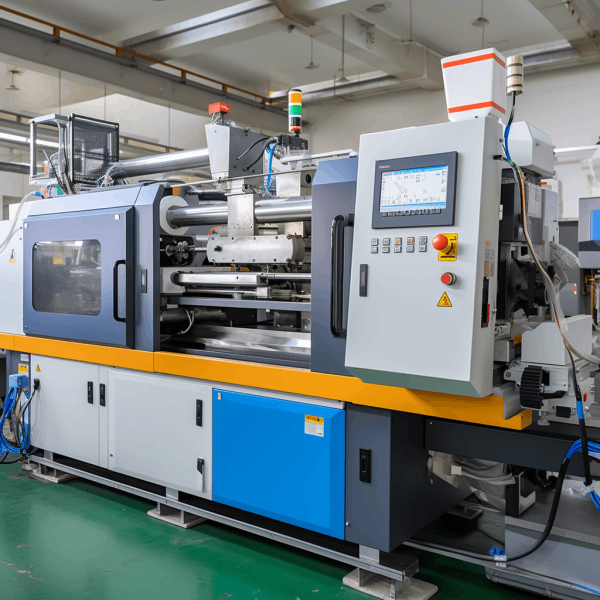
A sample has limited value without the context in which it was produced. The trial record identifies the press, resin, drying, mold revision, cavity, temperatures, fill/pack/cooling settings and observations appropriate to the project. Photos or video document mold motion and visible results when included.
These settings are not guaranteed to transfer unchanged to another press. For export molds, they provide a transparent starting point for the receiving molder, who must develop the process on its own equipment and utilities.
Review short shot, flash, sink, weld, burn, splay, gloss, color, texture and witness marks against agreed zones.
Measure the scoped critical features after the agreed conditioning time and identify results by cavity where applicable.
Check mating parts, fasteners, snaps, seals and stack-up with the approved fixtures or counterpart components.
Perform the project-defined test; do not infer product qualification from appearance or dimensions alone.
Approve, correct, investigate or retrial with owner, revision and required evidence for the next gate.
Typically defined around trial photos/notes, process reference, labeled samples and selected dimensional or appearance checks.
May require customer formats, sample quantities, capability data, material/certification records, gage information or process studies that must be planned and quoted.
Reconfirm machine and utility interfaces, hot-runner/controller details and handling before final acceptance.
Close agreed corrections, record tool function, retain final samples and verify documents, spares and identification.
Provide trial parameters as a starting reference and identify the limitations of running the mold on different equipment.
Not automatically. T1 usually means the first structured sample stage after initial corrections, but approval depends on the project’s appearance, dimensional, assembly, functional and documentation requirements.
Yes when included in scope. The drawing revision, dimensions, sample conditioning, cavity identity, report format and measurement method should be agreed before the trial.
No. These packages vary by customer and may require additional samples, studies and forms. Provide the requirements at RFQ so the validation plan and price include them.
No. Simulation can support gate, flow, pressure, weld, cooling or warp decisions, but the physical mold and material still require trial and inspection. Moldflow is separately scoped when justified.
CKMOLD identifies whether the issue is tool, part design, material, process, measurement or assembly-related; proposes a correction or investigation; records approval; and schedules the next trial with a new objective.
Send the mold and part revision, resin, destination press, open issues, critical dimensions, appearance and functional requirements, cavity/sample plan and any customer report format.
Use this short form for a general inquiry. For a quotation, complete the full RFQ and email any 3D/CAD files separately to jerry@ckmold.com.
Join our mailing list and receive a 10% discount on your next mold or CNC project.