Home / Mold Tooling / Prototype & Bridge Tooling for Injection Molded Parts
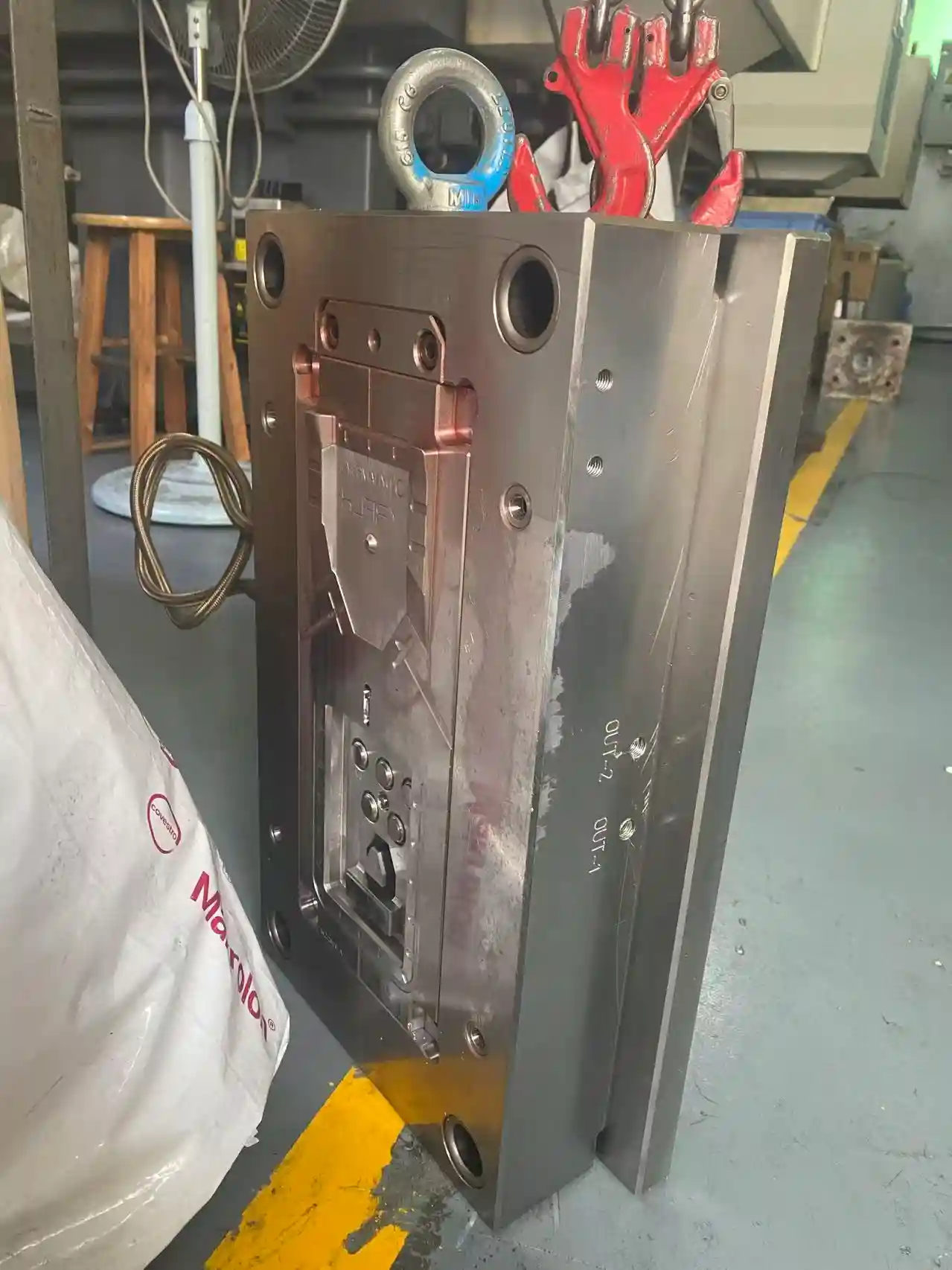
Prototype and bridge tools are used when the project needs actual injection molded samples in the intended resin before committing to a final production strategy. They answer questions that printed or machined prototypes cannot reproduce reliably, including gate effects, shrinkage, weld lines, ejection and process-dependent appearance.
The tool is not automatically temporary or cheap. Construction depends on required sample quantity, change risk, material, part geometry and whether the same tool must carry early market or bridge production.
Production-grade material behavior can be evaluated
First technical trial checks mold operation
Corrected samples support structured evaluation
Early production path can be planned from the start
Reviewed by CKMOLD project engineering • Last updated August 2026
Useful for early form, fit, ergonomics or mechanism learning when true injection behavior is not the question.
Useful when production resin, molding effects, assembly, appearance or a limited batch must be evaluated before final production investment.
Appropriate when geometry and requirements are stable enough to invest in the intended life, cavities, automation, cycle and maintenance strategy.
Aluminum, pre-hardened steel, production inserts or mixed construction are considered against resin, wear, finish, quantity and expected changes. No material is assumed from the word rapid.
Replaceable inserts or intentional steel-safe conditions may be valuable when dimensions, gates or features still need learning.
A single cavity and simple runner can reduce initial complexity, but output, resin waste and future bridge demand still matter.
High polish, texture and cosmetic acceptance can require production-like steel and process discipline even when quantities are limited.
Slides, lifters, inserts or manual operations may be retained, simplified or avoided depending on the question the prototype must answer.
State whether the tool is for samples only, bridge production, recurring low-volume orders or conversion into a longer-term production asset.
Define resin, drying, press match, sample identity, critical checks and the decisions the first trial must support.
Check safe mold operation, filling, venting, cooling, ejection and obvious steel or process issues before cosmetic conclusions dominate.
Implement approved corrections, document the revision and produce samples under a more stable process for evaluation.
Approve the next route: further correction, functional test, bridge production, low-volume release or final production-tool planning.
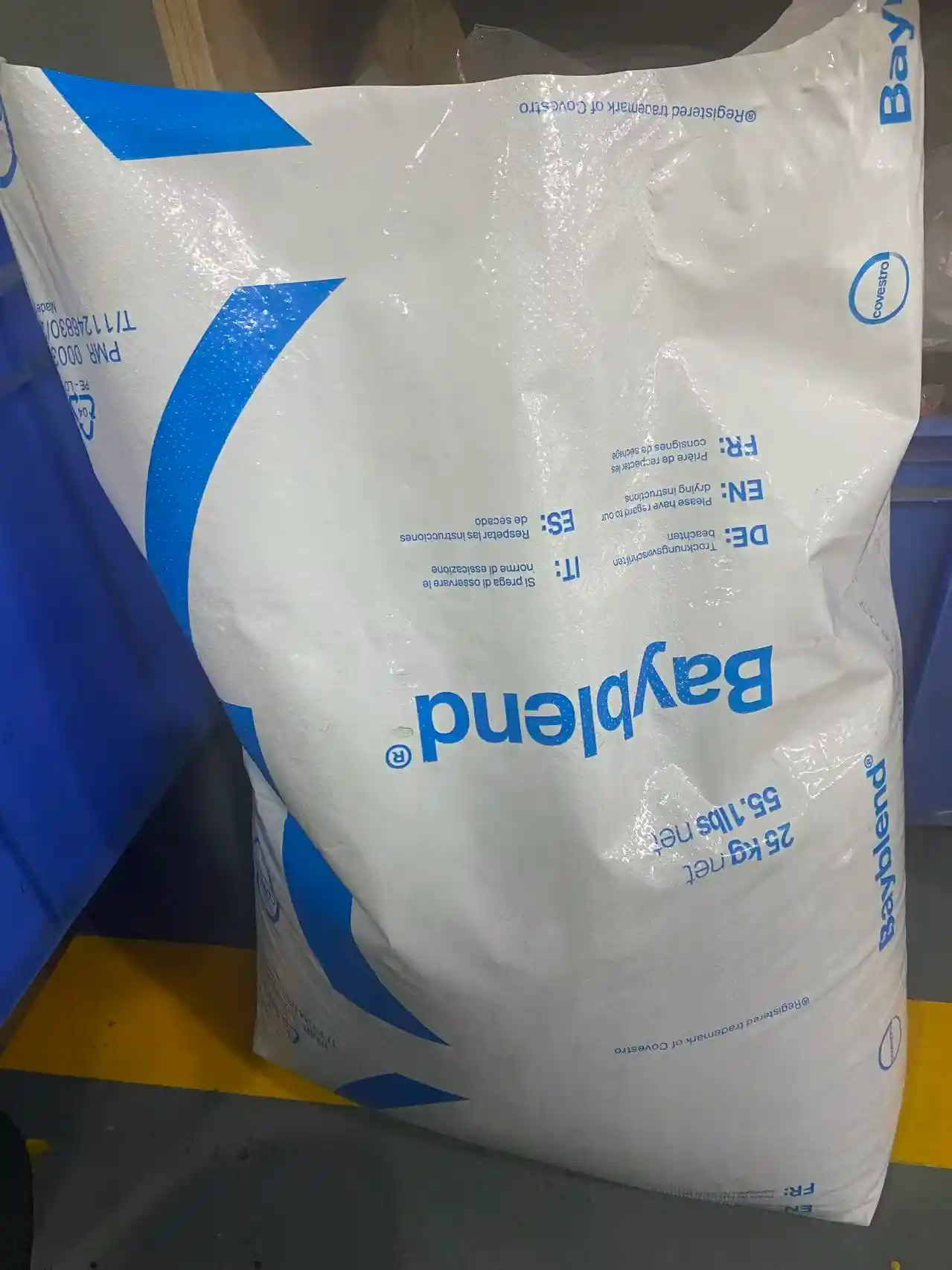
A printed prototype may demonstrate shape while hiding resin shrinkage, fiber orientation, weld strength, gate vestige, sink or stress from molding. Prototype tooling allows the customer to evaluate the actual grade, color and intended post-processing under an injection process.
The sample plan should distinguish dimensional, cosmetic, assembly and functional questions. A single visually acceptable part does not automatically prove a stable process, and the trial quantity required for evaluation must be agreed rather than assumed.
Use the bridge tool when geometry is approved, demand remains limited and the tool can support the required repeat batches without unacceptable labor or maintenance.
Move to a production mold when demand, cycle, cavity count, automation, finish or expected life justifies a more durable architecture.
No. Prototype injection molding uses a mold and an injection process, allowing samples in the intended thermoplastic grade. 3D printing is often faster for form and fit but does not reproduce normal gating, packing, shrinkage, weld lines, cooling or ejection.
Potentially, if it is designed as bridge tooling and the part, material, quality and quantity requirements are compatible. The quotation must state expected use; a sample-only tool should not be assumed to support recurring production.
T0 is the first technical trial and focuses on safe mold operation and major tooling/process issues. T1 generally follows approved corrections and is used for a more structured dimensional, appearance, assembly or functional review. Naming can vary, so objectives should be written.
Selection depends on resin abrasiveness or corrosion, part finish, quantity, geometry, expected revisions, mold life and future production plan. CKMOLD confirms the proposed material and limitations in the quotation.
If the design is stable, demand is clearly production-level and the team can approve a production architecture with acceptable risk, a separate prototype tool may add cost without useful learning. DFM and targeted prototypes can still be used where needed.
Send CAD, resin grade, required sample or batch quantity, finish, test plan, target date and the expected next production stage. CKMOLD will compare prototype, bridge and production-tool routes.
Use this short form for a general inquiry. For a quotation, complete the full RFQ and email any 3D/CAD files separately to jerry@ckmold.com.
Join our mailing list and receive a 10% discount on your next mold or CNC project.