Home / Mold Tooling / Injection Mold Repair and Modification
Mold repair restores an existing tool after damage, wear or a functional problem. Mold modification changes the tool because the part, dimension, material, process or equipment requirement has changed. The two may occur together, but the diagnosis and approval basis should remain clear.
CKMOLD evaluates symptoms, mold condition, drawings, samples and production history before recommending welding, re-machining, insert replacement, component work, cooling correction, polish/texture restoration or a larger rebuild. Repair is followed by a defined trial and validation—not assumed complete when steel work ends.
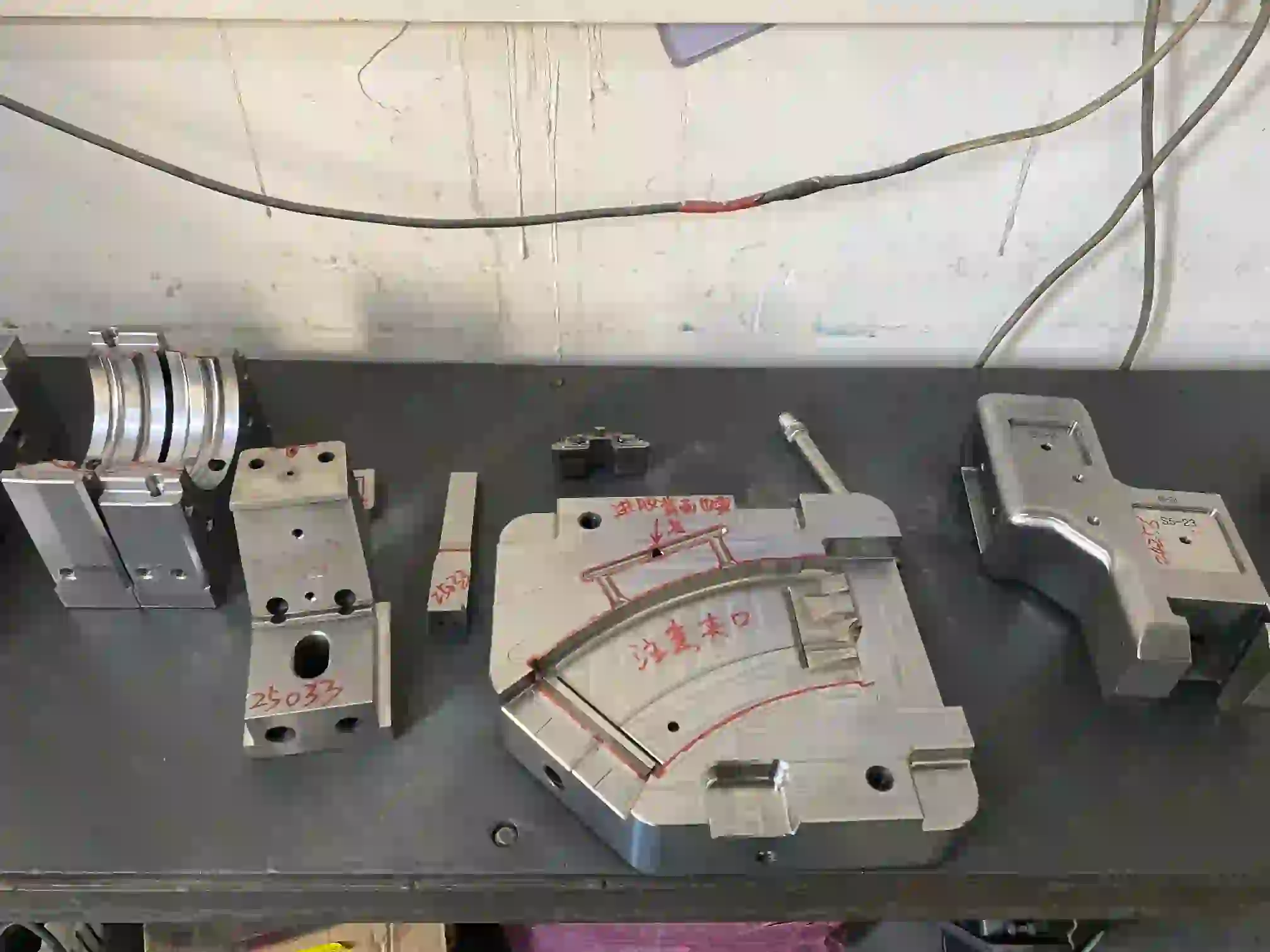
Do not machine before cause and evidence are reviewed
Repair method and dimensional impact documented
Tool operation and parts checked after work
Repair, modify, replace inserts or rebuild
Reviewed by CKMOLD project engineering • Last updated August 2026
May involve parting damage, wear, support, insert fit, clamp/process conditions or a design change. Evidence must separate tool and process causes.
Review draft, texture, polish, deformation, ejector condition, venting, cooling, release sequence and process conditions.
Check blocked/leaking circuits, scale, corrosion, plugs, O-rings, circuit layout and local steel/part heat load.
Pins, slides, lifters, springs, locks, bushings, heaters or sensors require failure-cause review before like-for-like replacement.
Separate wear, deformation, steel damage, insert movement, process or measurement change before correcting the cavity.
Scratches, corrosion, pitting, worn texture or lost polish are assessed against stock allowance, appearance standard and repair visibility.
Returns damaged or worn tool features toward the approved part and operating basis.
Changes steel or components to produce a revised part, fit a different machine, change material/process or address an approved engineering update.
Receive mold drawings, photos, samples, defect history, process information, maintenance and ownership/transport details.
Review damage, wear, fit, actions, cooling, components, steel condition and available allowance.
Define welding, insert, machining, component, polish/texture and dimensional plan with cost and risk.
Complete work, inspect the affected geometry and confirm mold operation before the trial.
Run the intended material, inspect affected features and approve production, further correction or rebuild.
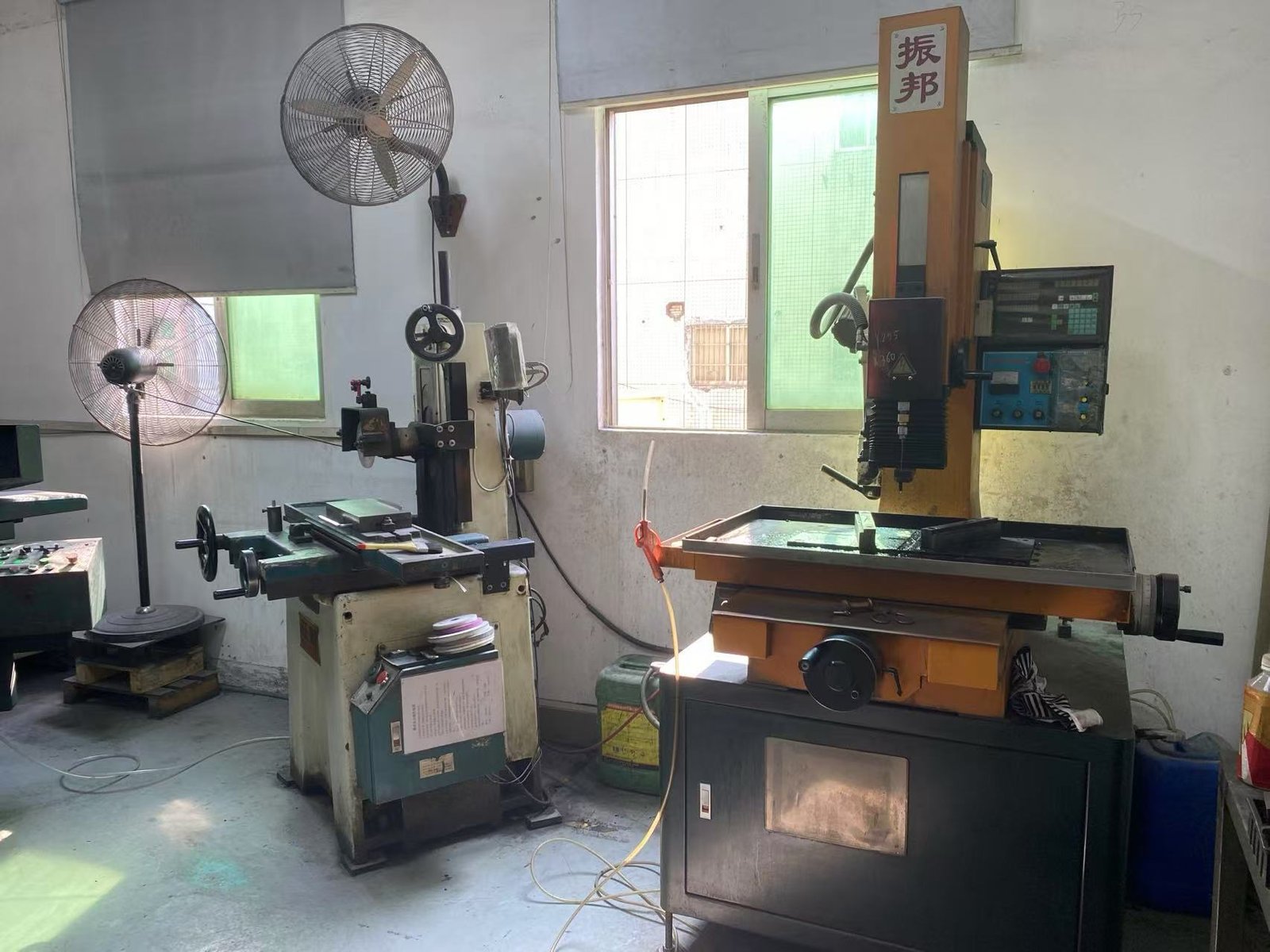
Welding can restore damaged steel or add material for a dimensional change, but the base steel, hardness, crack risk, heat-affected zone, weld access, finishing and texture must be considered. The repair method is selected after the tool and affected geometry are inspected.
After welding, the area may require stress management, re-machining, EDM, grinding, polishing or texture restoration. A repaired cosmetic surface may remain visible if the material and finish cannot be matched; this risk is disclosed before work begins.
Covers ownership, transport, history, machine fit, intake trial, process redevelopment and production restart around an existing tool.
Defines post-repair press/material setup, process record, cavity samples and approve/correct/retrial disposition.
Converts the repaired and approved tool into controlled batches, inspection, secondary work and repeat-order planning.
Photos can support an initial review, but a reliable plan may require mold drawings, steel/component information, defect samples, process history and physical inspection. Hidden cracks, cooling issues and fit conditions cannot always be diagnosed remotely.
The decision depends on steel, location, damage size, heat risk, finish, dimensional control, accessibility, remaining life and whether the architecture allows a replaceable insert. CKMOLD proposes the method after inspection.
Restoration is assessed case by case. Steel/weld differences, depth, area and existing texture condition can leave visible variation. A reference and acceptance method should be agreed before repair.
No universal guarantee is appropriate. Remaining life depends on the whole tool condition, steel, wear, resin, repair method, process and maintenance. CKMOLD states the repair scope and visible limitations.
The affected steel and mold motion are inspected, then the tool is re-trialed with the intended material. Samples are checked against the released drawing, appearance and function before production or shipment release.
Enter the part CAD/drawing revision, steel/component information, process history, required change and tool location in the RFQ form. Email mold drawings, photos and defect-sample references separately to jerry@ckmold.com. CKMOLD will identify what can be assessed remotely and what needs physical inspection.
Use this short form for a general inquiry. For a quotation, complete the full RFQ and email any 3D/CAD files separately to jerry@ckmold.com.
Join our mailing list and receive a 10% discount on your next mold or CNC project.