

Coloring plastics seems simple, right? But for specific industries, it’s a complex puzzle. Using the wrong masterbatch can lead to product failure, regulatory nightmares, or safety issues. Understanding these unique demands is crucial for success.
Color masterbatch is not a purely visual purchasing decision. Medical-related, automotive and electronics applications may require different controls for pigments, carriers, traceability, light stability, heat exposure, flame performance, migration, cleanliness and appearance. The exact grade, base resin, color standard and use condition must be documented before production approval.
Related CKMOLD resources: plastic material selection, production injection molding, mold testing and validation.
Industry requirements differ, but none can be assigned from an industry label alone. A medical-device colorant needs use-specific regulatory and biological evidence; automotive programs define appearance and environmental tests; electronics programs may add substance, electrical, flame and thermal requirements. Approve the exact colorant/base-resin formulation in the finished application.
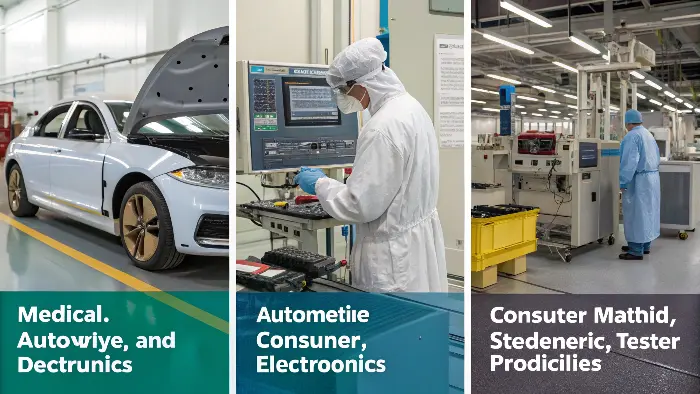
Medical Colorant Evidence Is Device- and Use-Specific
Medical colorant review begins with the final device and the exact formulation: base resin, carrier, pigments, additives, processing, cleaning, packaging and sterilization. A statement that a pigment is “FDA approved” or a masterbatch is “biocompatible” does not establish suitability for every device.
The FDA explains that color additives in medical devices are subject to specific regulatory conditions and that the term “significant body contact” is not defined as a universal category. The device’s intended use and applicable color-additive listing must be checked. FDA’s biocompatibility resources also assess the final finished device, including manufacturing and sterilization effects, through a risk-based approach. See FDA’s color-additive information for medical devices and finished-device biocompatibility information.
| Evidence | Question it answers | Limit |
|---|---|---|
| Exact masterbatch identity and composition/change control | what colorant package is actually supplied | does not approve the finished device |
| Applicable color-additive listing or regulatory opinion | whether the use falls within stated conditions | must match market, route and use |
| Material/test reports | what was tested and under which conditions | must match formulation and representative processing |
| Finished-device biological evaluation | whether evidence addresses contact, duration and device risks | remains the device manufacturer’s responsibility |
Request the exact grade, pigment/carrier disclosure available under confidentiality, current declarations, test-article identity, sterilization/color stability data, lot traceability and change-notification terms. Decide additional evidence from the documented device risk; do not prescribe the same test package solely because contact exceeds a fixed duration.
How Do Color Masterbatches Drive Performance and Style in Cars?
Your car’s shiny bumper looks great, but it also takes a beating from sun, rain, and road debris. This dual demand for beauty and toughness is what makes automotive masterbatches so challenging. They need to perform as well as they look.
Automotive color masterbatches drive performance and style by providing vibrant, consistent colors for both interior and exterior parts while ensuring extreme durability. They must resist UV radiation, weathering, and scratches. Compatibility with base polymers and the inclusion of performance-enhancing additives like UV stabilizers are also critical for longevity and function.

Automotive color approval should be tied to the component location and program specification. Exterior and interior parts can have different weathering, heat, chemical, abrasion, gloss, grain, odor/VOC and color-harmony requirements, so test the actual resin, colorant, surface and processing route.
Balancing Aesthetics and Functionality:
-
Exterior Components:
- Think bumpers, grilles, mirror housings, and even body panels. These parts are constantly exposed to the elements.
- UV resistance: Define the required weathering method, specimen preparation, exposure, color/gloss limits and appearance evaluation before formulation approval. A UV-stabilizer claim without the program’s test and acceptance limits is not evidence of service life.
- Weatherability: They need to withstand rain, snow, temperature extremes, and humidity.
- Scratch Resistance: Especially for high-gloss finishes, resistance to minor scratches and scuffs is important.
- Color Harmony: Ensuring consistent color across different plastic parts, often made from different materials and by different suppliers, is a major challenge. This requires tight control over masterbatch production.
-
Interior Components:
- Dashboards, door panels, consoles, and trim pieces.
- Low VOC Emissions: Volatile Organic Compounds can contribute to that “new car smell” but are increasingly regulated for health reasons. Masterbatches must be formulated to minimize these.
- Lightfastness: Interior parts are also exposed to sunlight through windows, so fading is a concern here too.
- Haptic Properties: Sometimes, the masterbatch can subtly influence the feel of the plastic surface, contributing to the overall tactile experience.
-
Material Compatibility and Additives:
- The carrier resin in the masterbatch must be reliably compatible with the base polymer of the automotive part (e.g., PP, ABS, PC/ABS, PA). Incompatibility can lead to weak parts or surface defects.
- Beyond UV stabilizers, other additives might include heat stabilizers, flame retardants (for specific applications near heat sources), or agents to improve impact strength.
The automotive supply chain is also very rigorous, with strict quality control and traceability requirements. Every batch of masterbatch needs to perform consistently, year after year.
Electronics Colorants Must Match the Product’s Compliance and Performance File
Color consistency is only one requirement. For an electrical or electronic product, review the exact formulation against the destination market, product construction, temperature, electrical function, flame requirement, laser marking, surface and chemical exposure.
The EU RoHS framework restricts specified substances in electrical and electronic equipment within its scope. REACH obligations can also arise for Candidate List substances in articles; ECHA’s official article guidance explains the supply-chain context. A supplier declaration should identify the exact masterbatch, revision, scope, date and evidence—not merely state “RoHS/REACH compliant.”
A flame-retardant colorant does not by itself give a finished enclosure a UL 94 classification. UL’s certification limitations explain that results apply to the tested material, thickness, color and conditions and are not a finished-product fire-risk assessment. Verify the recognized material construction and then complete product-level evaluation required by the applicable standard.
Ask for the approved color standard, exact base resin/masterbatch and addition rate, substance declarations, change control, applicable material recognition, molded test evidence and traceability. Revalidate after a formulation, color, dosage or resin change when it can affect the approved result.
Cross-Industry Color Control Package
Medical: Documentation, Cleanliness and Change Control
Medical-related parts may require controlled raw materials, lot traceability, cleanliness, biocompatibility or other application-specific evidence. Pigment and carrier changes can affect extractables, surface, sterilization response or color stability. Requirements should be confirmed with the product owner and applicable market before selection.
Automotive: Appearance, Weathering and Program Control
Automotive color must remain stable through heat, UV, humidity, chemicals, handling and assembly. Color matching often includes a master standard, defined lighting and ΔE or visual limits. Long programs also require supplier continuity, change notification and the ability to reproduce color across resin lots and tools.
Electronics: Flame, Heat and Surface Interaction
Electronic housings or components may combine color with flame performance, insulation, heat exposure, laser marking, texture and appearance. Some pigment or carrier choices can affect flame rating, weld lines, gloss, plate-out or marking contrast, so the exact formulation should be tested in the final resin and geometry.
Control Dosing and Dispersion
A precise gravimetric or volumetric dosing method, suitable mixing, drying and purge practice help prevent streaks and color drift. Regrind, natural resin variation and machine residence time should be included in the color-control plan.
Create a Traceable Approval Package
Record masterbatch code, supplier, lot, resin, dosage, color standard, measurement condition, process window, sample approval and change-control requirements. That package makes future color complaints diagnosable and prevents an unapproved substitution.
Industry-Specific Color Masterbatch Requirements: Buyer Review Checklist
- Define industry-specific compliance, appearance, temperature, UV, flame and cleanliness requirements.
- Approve the exact pigment, carrier, base resin, supplier, lot and dosage combination.
- Use agreed color standards, lighting and measurement limits for acceptance.
- Validate dispersion, processing, marking, surface, weathering or sterilization as applicable.
- Maintain traceability and change control for color material throughout the program.
FAQ
Can the same color masterbatch be used in medical and automotive parts?
Only if the exact formulation, carrier, compliance, performance and processing requirements are suitable for both applications; that should not be assumed.
Why is color traceability important?
It links a molded result to resin, masterbatch, dosage, process and approval records, making variation or a supplier change easier to investigate.
Conclusion
Industry-specific masterbatch approval starts with the exact formulation and finished use. Medical-related products need device- and contact-specific evidence; automotive products need program-defined appearance and environmental tests; electronics may require substance, electrical, thermal and flame evidence. Record color, resin, dosage, processing, test method, limits, traceability and change control so that a supplier claim can be verified.