
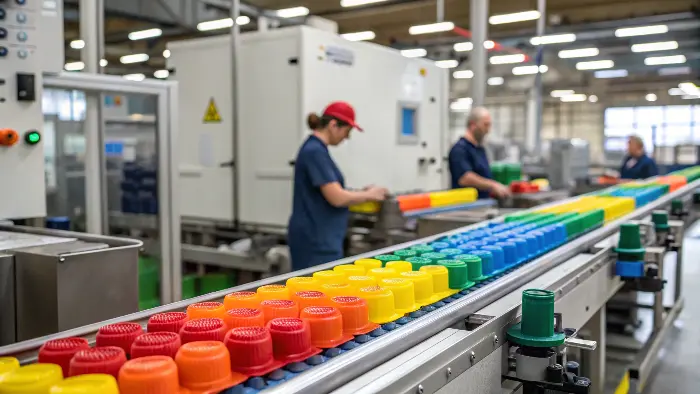
Struggling with high production costs in injection molding? Uncontrolled material expenses and color inconsistencies can eat into your profits. Efficient color masterbatch usage offers a clear path to significant savings and improved quality.
Efficient color masterbatch usage is not simply using less pigment. The real cost includes resin and masterbatch, dosing accuracy, dispersion, scrap, purging, color changeover, inventory, rework, machine downtime and customer rejection. A controlled color process can reduce cost while improving shade consistency and production reliability.
Related CKMOLD resources: production injection molding, plastic material selection, mold testing and validation.
Efficient color masterbatch usage optimizes production costs by minimizing material waste, ensuring consistent color quality, and improving processing efficiency. Masterbatches offer better dispersion and control compared to raw pigments. This leads to fewer rejects, reduced downtime, and ultimately, lower overall manufacturing expenses for your injection molding projects.
How Does Masterbatch Minimize Material Waste in Injection Molding?
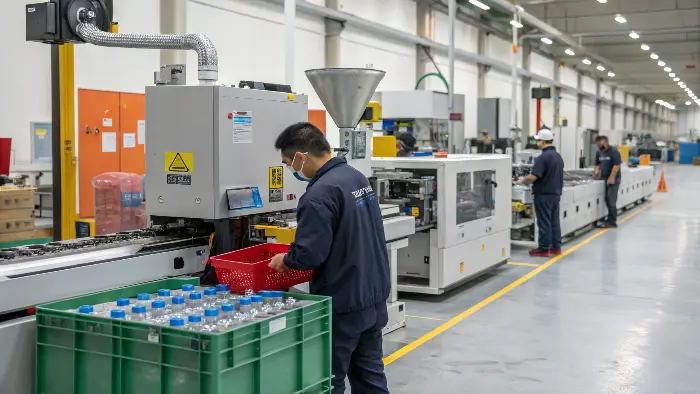
Is material waste a constant headache in your molding operations? Excess material, color contamination, and difficult cleanups can inflate costs. Masterbatch offers a cleaner, more precise way to color plastics, directly tackling these waste-generating issues.
Masterbatch minimizes material waste because it’s a concentrated, pre-dispersed form of colorant. This allows for more accurate dosing and better control during mixing with the base polymer. This precision reduces the chances of over-coloring, leading to less scrap material and more efficient use of your raw plastics.
Key Factors in Waste Reduction:
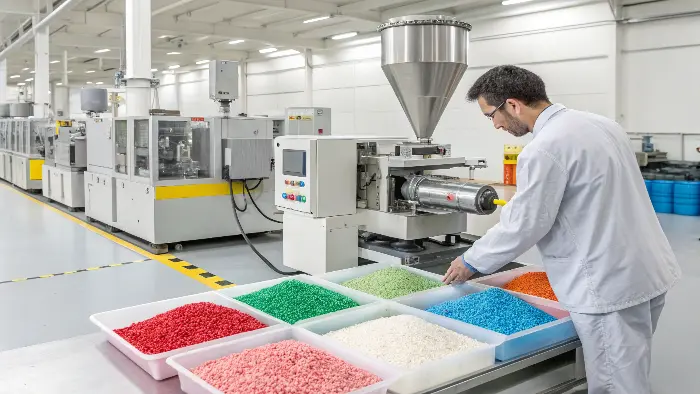
- Precise Dosing:Masterbatch pellets or granules can be dosed much more accurately than fine pigment powders. Modern dosing equipment works very well with masterbatch, ensuring you use only what’s needed. This precision prevents over-coloring, which is a common source of rejects and wasted material.
- Reduced Contamination:Because masterbatches are encapsulated colorants, they are less dusty and messy than raw pigments. This means less cross-contamination between color runs and easier, faster cleanups. Less contamination means fewer rejected parts.
- Improved Dispersion: Masterbatches are designed for optimal dispersion within the polymer melt. Good dispersion means uniform color without streaks or specks, leading to a higher yield of acceptable parts. Poorly dispersed pigments often result in parts being scrapped.
Why is Masterbatch More Cost-Effective Than Raw Pigments in Production?
Are you weighing the cost of raw pigments against masterbatch? While pigments might seem cheaper upfront, hidden costs can quickly add up. Masterbatch often proves to be the more economical choice when you look at the bigger picture of production.
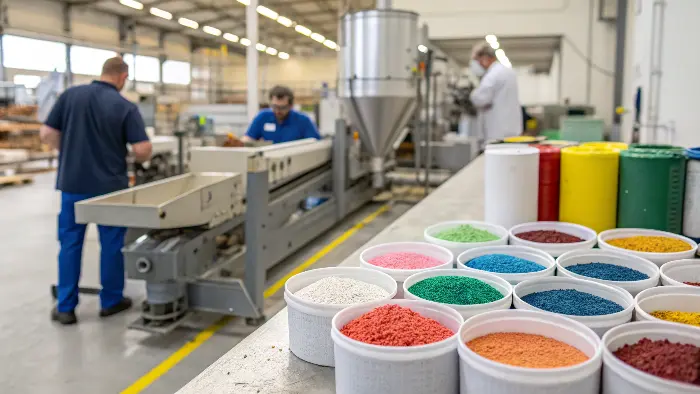
Masterbatch is more cost-effective than raw pigments because it reduces processing issues and improves efficiency. Unlike pigments, masterbatches generally do not cause dispersion problems when using plastic injection molding machines. This leads to consistent color, fewer machine cleanups, lower reject rates, and reduced labor for handling and mixing, saving significant costs.
Comparing Costs: Masterbatch vs. Pigments
| Feature | Raw Pigments | Color Masterbatch | Cost Implication |
|---|---|---|---|
| Dispersion | Can be difficult, prone to agglomeration | Excellent, pre-dispersed in a carrier resin | Fewer rejects, consistent color with masterbatch |
| Handling | Dusty, messy, potential health hazards | Cleaner, easier to handle pellets/granules | Reduced cleanup time, better operator safety |
| Dosing Accuracy | More challenging to dose accurately | Easier to dose accurately with standard equipment | Less material waste, consistent let-down ratio |
| Inventory | Requires careful storage to avoid clumping | Simpler storage, longer shelf life often | Less spoilage, easier inventory management |
| Machine Wear | Abrasive pigments can increase wear | Carrier resin can offer some lubrication | Potentially longer machine life with masterbatch |
| Labor Costs | Higher due to manual pre-mixing, cleanup | Lower due to ease of use and automation | Significant savings on operator time |
What Are Key Strategies for Maximizing Masterbatch Efficiency?
Using masterbatch is a good start, but are you truly maximizing its potential? Simply adding it to your process isn’t enough. Specific strategies can help you squeeze every bit of value from your colorant investment, further driving down costs.
To maximize masterbatch efficiency, focus on accurate dosing, proper drying of both masterbatch and polymer, and optimizing processing parameters like temperature and screw speed. Regular equipment maintenance and choosing the right masterbatch carrier compatible with your base resin are also crucial for achieving cost savings.
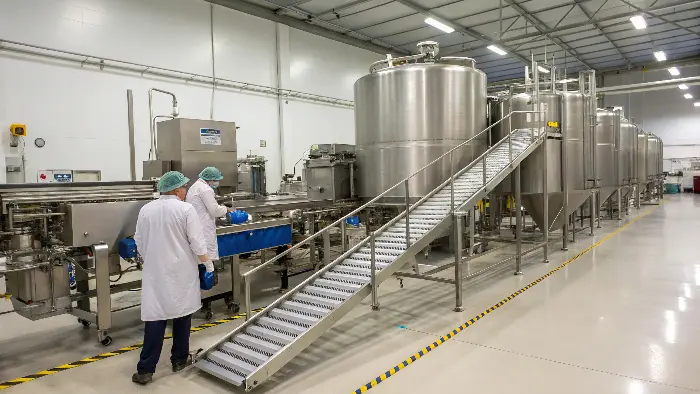
Once you’ve decided to use masterbatch, the next step is to use it smartly. I’ve learned over the years that a few key practices can make a big difference in how efficiently masterbatch performs, directly impacting your costs. It’s not just about adding color; it’s about adding it in the most effective way possible. For instance, the project stakeholder, a product designer I often work with, generally emphasizes the importance of the right carrier resin in the masterbatch for compatibility with his chosen polymers.
Optimizing Your Masterbatch Usage:
-
Accurate Dosing is King:
- Invest in reliable dosing equipment. Gravimetric feeders are generally more accurate than volumetric ones, though both can work if properly calibrated.
- Regularly calibrate your feeders. Even small inaccuracies can add up to significant material waste or color variations over time. Make it part of your routine maintenance schedule.
- Use the correct Let-Down Ratio (LDR) recommended by the supplier, but don’t be afraid to test slightly lower ratios if color consistency allows, generally verifying with quality control.
-
Material Preparation Matters:
- Ensure both your base resin and the masterbatch (if its carrier is hygroscopic) are properly dried according to specifications. Moisture can cause splay, silver streaks, and affect color.
- Pre-blending small batches for critical applications or when using older equipment can sometimes improve consistency, though modern machines often handle direct dosing very well.
-
Process Parameter Optimization:
- Melt Temperature: Ensure the melt temperature is within the recommended range for both the base resin and the masterbatch carrier. Too low, and dispersion might be poor; too high, and you risk degrading the colorant or polymer.
- Screw Design & Speed: A mixing screw designed for good distributive and dispersive mixing will help. Adjust screw speed to ensure adequate mixing without excessive shear, which could degrade the material or cause overheating.
- Back Pressure: Appropriate back pressure can aid in mixing and dispersion. However, too much can increase shear and cycle time.
I generally tell my clients to treat masterbatch like any other critical component in their process. A little attention to detail here can prevent a lot of headaches and save a surprising amount of money down the line.
How Does Consistent Color Quality from Masterbatch Impact Overall Costs?
Are color variations and rejects a drain on your resources? Inconsistent color not only looks unprofessional but also leads to wasted materials, time, and customer dissatisfaction. Masterbatch plays a vital role in achieving the color consistency that underpins cost efficiency.
Consistent color quality from masterbatch significantly impacts overall costs by reducing part rejections and minimizing production downtime. Reliable color means fewer quality control issues, less wasted material and machine time, and greater customer satisfaction, all contributing to a more profitable operation.
The Ripple Effect of Color Consistency:
- Reduced Rejection Rates: This is the most direct cost saving. If your color is consistent, you’ll have far fewer parts rejected by quality control or, worse, by your customers. Every rejected part represents lost material, machine time, and labor.
- Faster Start-ups and Changeovers: When you trust your masterbatch, you can achieve the target color more quickly during start-ups or color changes. Less time spent tweaking parameters means more uptime for production. This is especially true for short runs.
- Improved Brand Perception: Consistent product color reinforces brand quality and reliability. While not a direct production cost, a strong brand image built on quality can lead to increased sales and customer loyalty, which is invaluable.
- Simplified Quality Control: When color is reliable, QC processes can be streamlined. Less time needs to be spent on intensive color matching for every batch if the input materials are known to be consistent. Spectrophotometers can confirm consistency quickly.
- Lower Inventory of Finished Goods: With reliable color, you don’t need to overproduce to account for potential color-related rejects, thus tying up less capital in inventory.
Think about the cost of a product recall or a lost contract due to color issues. These can be catastrophic. Using high-quality masterbatch and ensuring its proper application is an investment that pays for itself many times over by preventing these larger problems. It’s about building quality in from the start, and consistent color is a cornerstone of that quality.
Set the Correct Let-Down Ratio
Start with the masterbatch supplier’s recommended dosage and confirm the color strength in the actual resin and part thickness. Too much material increases cost and may change flow, gloss, shrinkage or mechanical behavior; too little can create streaks, weak coverage and rework.
Make Dosing and Mixing Repeatable
Gravimetric dosing can improve accuracy for demanding programs, while volumetric systems may be suitable when material bulk density and flow are stable. Hopper mixing, drying, conveying, screw design and residence time affect dispersion. The method should match the color risk and production scale.
Reduce Changeover and Purge Loss
Group compatible colors, plan sequence from light to dark where practical, use an appropriate purge method and define the acceptance point for the next color. Poor planning turns a low material price into high waste and downtime.
Use Color Data to Prevent Rework
Define a master standard, lighting, instrument or visual method, sampling point and acceptable range. Record lot, dosage, resin, machine and process. A fast, consistent release decision reduces the chance of producing a large quantity before a shade issue is discovered.
Calculate Inventory and Lifecycle Cost
Compare small frequent orders with planned batches, shelf life, storage, obsolete colors, packaging and supplier lead time. A standard color system may reduce inventory, but custom colors can be justified when performance or brand value requires them.
How Efficient Color Masterbatch Usage Reduces Injection Molding Cost: Buyer Review Checklist
- Confirm color strength and let-down ratio in the exact resin, thickness and surface.
- Use dosing and mixing equipment appropriate to color risk and production volume.
- Plan color sequence, purge, hopper cleaning and acceptance to reduce changeover loss.
- Control master standard, measurement, sampling, lot and process records.
- Include scrap, rework, downtime, inventory and obsolete-color risk in the cost calculation.
FAQ
How do I calculate masterbatch cost per part?
Include masterbatch dosage, resin weight, part and runner waste, scrap, purge, changeover, labor and any inspection or rework cost—not only the pigment price.
Is gravimetric dosing generally necessary?
Not necessarily. It is valuable when dosage accuracy and traceability are critical, while a stable volumetric method may suit lower-risk applications when validated.
Conclusion
In summary, efficiently using color masterbatch is key to optimizing injection molding costs. It reduces waste, ensures color consistency, and streamlines production. By focusing on proper selection, dosing, and processing, you can significantly enhance your manufacturing profitability and product quality, just as I’ve helped many clients do.