
Home / Capabilities / Injection Molding and Tooling Capabilities
This capability page separates published facts from project-specific limits. CKMOLD supports injection mold engineering, mold manufacturing, trials and molded-part production using in-house injection capacity published up to 1200T, together with toolroom resources for CNC, EDM, wire cutting, fitting and corrective work.
Part size, shot weight, mold envelope, cycle, automation and inspection capability are confirmed against the selected machine and project requirement. If a universal number is not supported by current records, this page explains how the limit is verified during RFQ instead of inventing one.
Published in-house injection press capacity
CNC, EDM, wire cut, fitting and finishing support
Press/material/process record tied to project scope
CAD and mold checked before capability is confirmed
Reviewed by CKMOLD project engineering • Last updated August 2026
CKMOLD’s current website publishes in-house injection molding capacity up to 1200T. The exact machine assigned is confirmed in the quotation or trial plan.
There is no reliable universal part-size or shot-weight limit across all geometries and resins. CKMOLD checks the complete mold/part package before accepting the work.
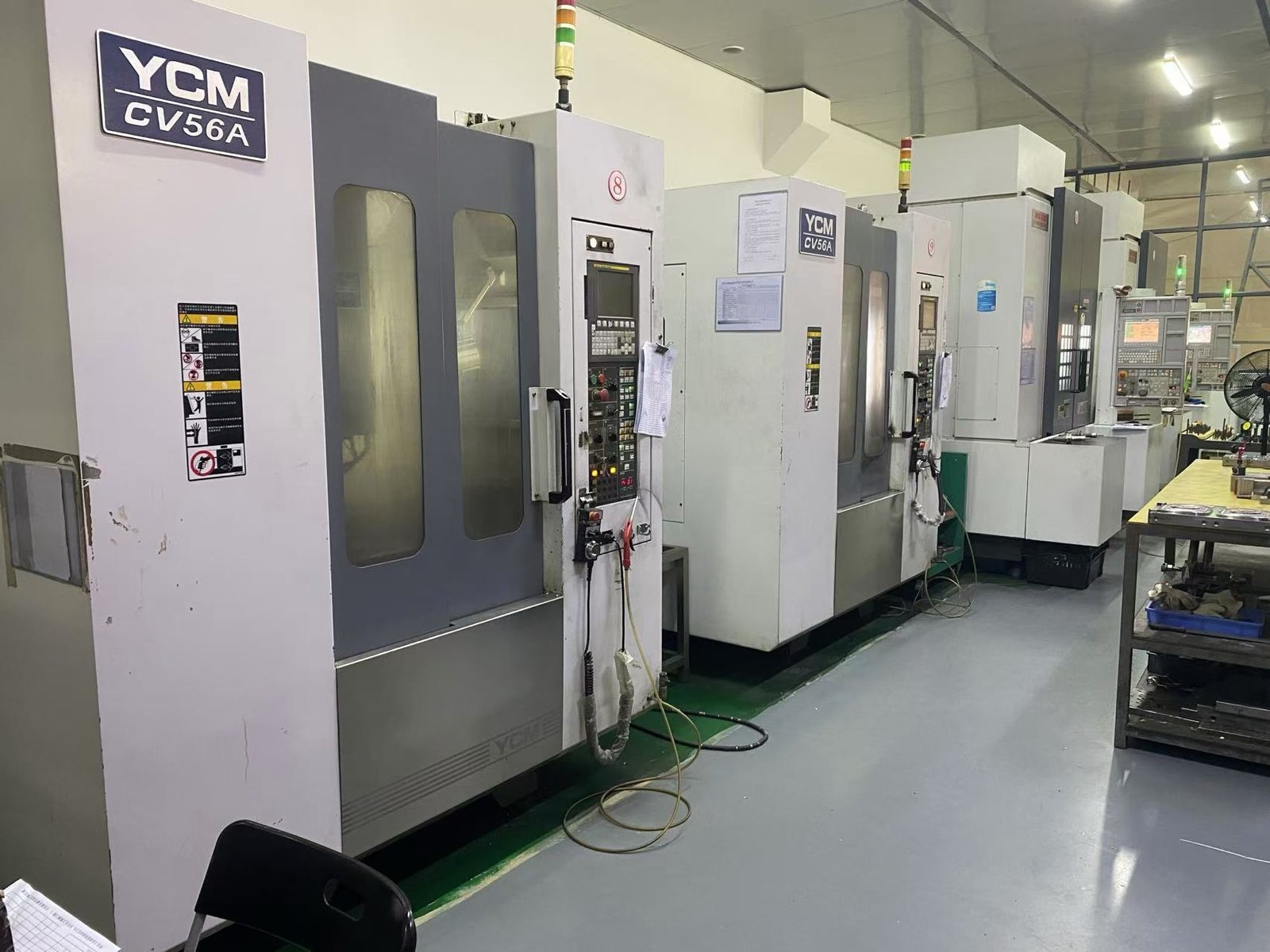
Core, cavity, insert, electrode and mold-component machining according to released design and inspection needs.
Electrical discharge machining for deep, sharp or complex features that cannot be completed efficiently by cutting tools alone.
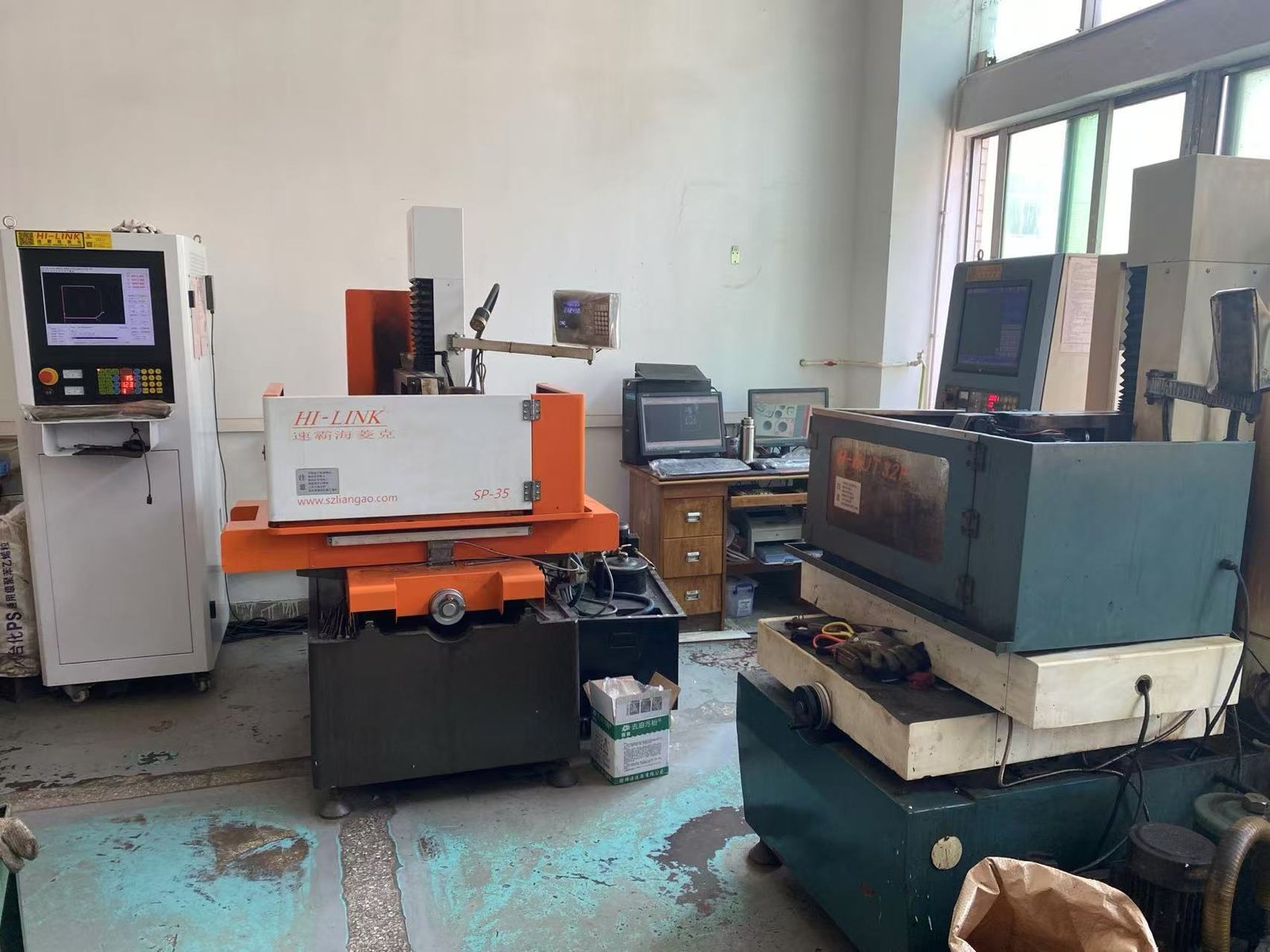
Wire EDM for profiles, inserts, slides and precision features that require a controlled cut through conductive material.
Parting, shutoff, slides/lifters, inserts, ejection, guidance and purchased components assembled and checked as one tool.
Surface work is matched to the specified finish or texture basis; restoration limits are disclosed when repairing an existing tool.
Welding, re-machining, insert/component replacement and correction work are planned from evidence and revalidated in trial.
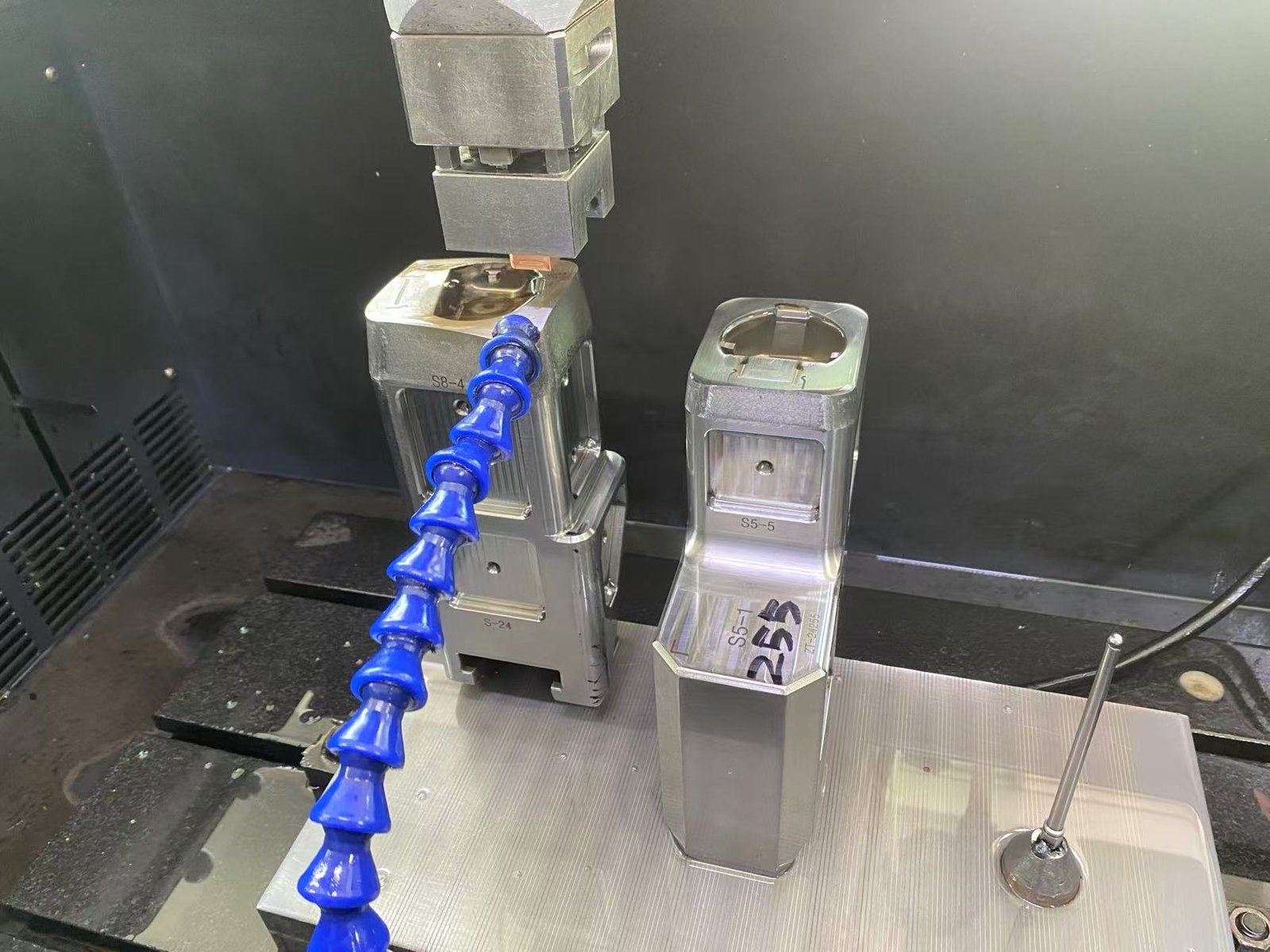
The equipment images on this page come from CKMOLD’s existing media library. They illustrate actual machining categories used in the tooling workflow. Equipment capability still depends on work envelope, electrode/access strategy, tolerance, surface, material and available schedule.
Mold manufacturing capacity is scheduled by tool size, complexity, purchased-component lead time and concurrent toolroom loading. A fixed monthly mold count is not published because the available records do not support one figure across all mold types.
Production-resin validation and early batches with construction matched to learning, quantity and future scale.
Repeat-part programs with steel, cooling, ejection, wear and maintenance matched to the defined demand.
Cavity count, runner, filling, cooling, traceability and spares engineered together.
Insert location, movement resistance, loading, detection, shutoff and inspection integrated into the mold/process.
Compatible substrate/overmold materials, mechanical retention, thickness, draft and sealing evaluated.
Destination-machine interfaces, approved components, documents, spares, preservation and handover.
CKMOLD can review customer-specified hot-runner brands and models or propose a system for approval. Exact supplier, nozzle layout, control zones and destination support are set in the mold design and BOM.
Manual insert loading may fit lower volume or complex inserts. Automation is evaluated when stable part/insert presentation, detection, cycle and business volume justify it.
CKMOLD’s existing media documents measurement activity, but a website image does not prove every tolerance or report type. The quality plan chooses the instrument, fixture, conditioning and method for the drawing characteristic and required uncertainty.
Dimensional reports, cavity-specific results, material certificates, FAI, PPAP or customer templates are scoped during RFQ. Where specialized testing is outside verified in-house equipment, qualified external support is identified rather than described as owned equipment.
The current published statement is in-house capacity up to 1200T. The exact press and lower-range availability are confirmed against mold size, clamp/shot requirements, resin, utilities and the production schedule during RFQ.
CKMOLD does not publish an unsupported universal maximum. Send the CAD, part weight if known, resin and mold concept so projected area, shot, plasticizing, tie-bar, platen and handling fit can be checked on a specific press.
Customer-specified systems can be reviewed, or CKMOLD can propose a supplier/model for approval. Availability, application fit, controller compatibility, local service and spares are confirmed before purchase.
No such claim is made. CKMOLD distinguishes in-house work from operations managed through qualified partners in the quotation and quality plan.
Toolroom and molding capacity are checked against mold complexity, machine fit, material/component availability, trial needs, production batch and the required schedule before commitment.
Upload the part and mold information, resin, quantities, finish, critical dimensions, target date, destination and any required press or component standard.
Use this short form for a general inquiry. For CAD upload, quantities and quality requirements, use the full RFQ page.