
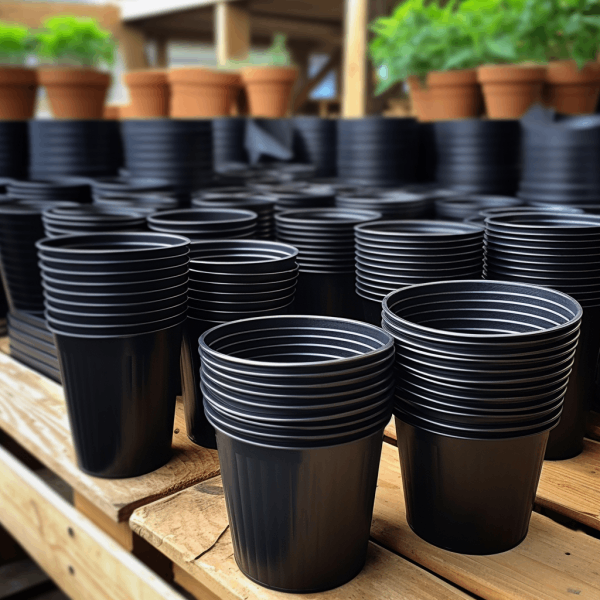
Plastic flower pot manufacturing requires more than a simple container mold. A good pot design must balance resin cost, wall thickness, drainage, stacking, surface texture, ejection, cycle time and long-term mold life.
Plastic flower pots look simple, but profitable production depends on a thin, stable shell that fills around a large circumference, releases from a deep core and survives stacking, soil load, watering and outdoor exposure. Resin, taper, rim stiffness, drainage, texture, cooling and ejection must be developed as one system. Seasonal demand and recycled-content targets add supply and process variation that the mold must tolerate.
Related engineering resources: mold design | multi-cavity injection molds | production injection molding
Original Product Reference Images

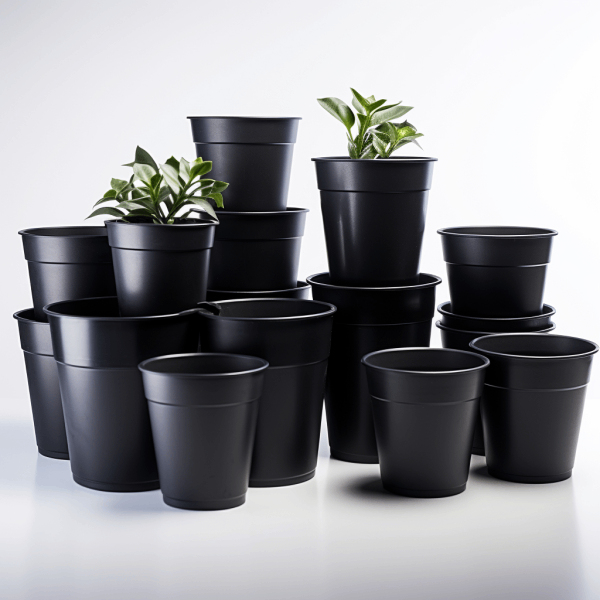
This article is repositioned for buyers and product teams planning plastic pot production. Instead of only discussing gardening benefits, it explains the manufacturing details that affect product quality and tooling cost.
Common Materials for Plastic Pots
PP and PE are commonly used for flower pots because they are lightweight, cost-effective and suitable for outdoor use when additives are selected correctly. For decorative or higher-strength products, material choice may change according to stiffness, UV exposure, color and surface finish.
Mold Design Requirements
- Draft angle: pots need enough draft for smooth ejection.
- Wall thickness: uneven walls can cause sink, warpage and long cooling cycles.
- Drainage holes: hole design affects mold structure and part function.
- Ribs and rim design: these features improve strength and stacking.
- Surface texture: texture must be considered with draft and ejection.
Production Volume and Cavity Count
For high-volume flower pot production, cavity count and cycle time strongly affect unit cost. A multi-cavity mold can improve output but requires careful balancing, cooling and ejection design.
Common Quality Problems
Plastic pots may show warpage, uneven rims, brittle edges, sink marks, color variation or poor stacking. These problems can come from resin selection, mold design, cooling layout or molding process control.
How to Request a Quote
Send pot size, 3D drawings, target material, wall thickness, color, texture, annual quantity and packaging requirements. If you only have a sample, CKMOLD can review it and suggest the next step for mold design.
How CKMOLD Helps
CKMOLD supports plastic pot projects with product design review, mold structure planning, injection mold manufacturing and trial molding.
Define the Pot’s Use and Logistics
Specify indoor or outdoor service, sunlight, temperature, soil and water load, hanging or floor use, expected life, decorative finish and nursery automation. Nesting depth, stack separation, shipping cube and denesting force can matter more commercially than a small resin saving. Drainage and saucer interfaces should be treated as functional CTQs.
Select Resin Around Stiffness and Weathering
PP and PE families are common candidates, with impact, stiffness, shrinkage and cold behavior varying by grade. Mineral filling, recycled content and dark color can change flow, weight, brittleness and appearance. Outdoor products need suitable UV stabilization and aging evidence. Lock the source and range of recycled feedstock before finalizing surface and dimensional limits.
Shape Walls, Rim and Base for Load
Use controlled taper and smooth wall transitions to support filling and release. The rim carries handling and stacking loads; ribs can add stiffness but create sink if intersections are too heavy. Base feet and drainage holes must avoid unstable rocking and weak knit lines. Texture affects appearance, draft and soil-release cleaning.
Design Cooling and Ejection for a Deep Part
A large core can become the dominant thermal mass and hold the shrinking pot tightly. Balanced core cooling, stable mold temperature and adequate draft reduce cycle and distortion. Stripper rings, air assist or distributed ejection may release the rim more evenly than small pins. Ejection should be tested before the part fully cools and after nesting conditions are established.
Control High-Volume Seasonal Production
Choose cavity count from machine size, shot, clamp, cycle, forecast and maintenance—not annual quantity alone. Monitor weight, rim dimensions, drainage features, wobble, color and nesting. Plan wear components and cleaning around dusty or variable recycled feedstock. Packaging trials should confirm that hot or tightly nested pots do not deform or jam in transit.
Plastic Flower Pot Manufacturing and Mold Design: Design and Validation Checklist
- Define outdoor life, loads, drainage, nesting, denesting and shipping needs.
- Qualify exact resin, UV package, color and recycled-content variation.
- Balance wall, taper, rim, ribs, base and drainage around flow and strength.
- Provide deep-core cooling and distributed, low-distortion ejection.
- Validate seasonal output, stacking, packaging and cavity-specific quality.
Drainage, Stacking and Ejection Details
Plastic flower pots often look simple, but their function depends on small details. Drainage holes must be shaped so they work well and can still be molded. Stacking features must allow many pots to nest without sticking. Rim design must provide stiffness without creating thick sections that cool slowly.
Ejection is another important point. Deep containers need enough draft and stable ejector layout. If the pot grips the core too tightly, the part can deform, scratch or slow down the molding cycle.
Outdoor Use and Material Aging
For outdoor pots, UV exposure and temperature changes can affect material performance. Buyers should confirm whether the pot is intended for indoor decorative use, nursery use, outdoor retail or long-term outdoor planting. Additives, color and resin grade should match the real use environment.
Tooling Cost Factors
- Pot size and depth
- Number and shape of drainage holes
- Surface texture or decorative pattern
- Cavity count and target cycle time
- Mold steel and expected production volume
- Stacking and packaging requirements
Supplier Selection Tips
When choosing a plastic pot mold supplier, ask whether they can review the product for draft, wall thickness, cooling and ejection before quoting. A supplier with mold design experience can often reduce later trial problems and help choose a structure that fits the target production volume.
Frequently Asked Questions
Which plastic is best for flower pots?
PP and PE grades are common, but stiffness, impact, UV, color, recycled content, wall and cost determine the exact choice.
Why do molded pots stick to the core?
Shrinkage onto a deep core, insufficient draft, texture, hot spots, vacuum and uneven ejection can combine to resist release.
Can flower pots use recycled plastic?
Yes for many applications when source, contamination, color, odor, impact, UV and process variation are qualified and controlled.
What plastic is commonly used for flower pots?
PP and PE are common choices, but additives and grade selection depend on outdoor exposure, stiffness and cost targets.
Why do plastic pots warp?
Warpage can come from uneven wall thickness, poor cooling, material shrinkage or insufficient mold design review.
Can CKMOLD make molds for plastic flower pots?
Yes. CKMOLD can review the product design, recommend mold structure and manufacture injection molds for plastic pots and similar container products.