
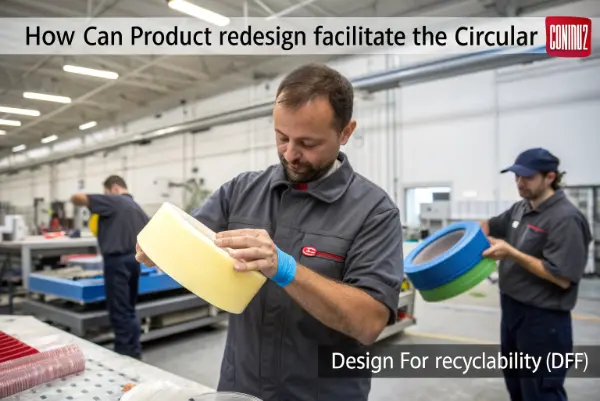
A circular strategy for polyethylene starts with avoiding unnecessary material and extending useful life, then designs for collection, sorting and a verified end market. Mechanical recycling, purification and conversion technologies have different inputs and outputs; none creates an automatic closed loop.
This article is a product and sourcing framework. The companion advanced PE recycling guide examines technology routes and qualification limits in more detail.
Prioritize Prevention and Useful Life
Remove avoidable components, right-size walls and packaging, and design durable products that can be repaired or reused when the business model supports it. Lightweighting must not create premature breakage or increase total system losses. The correct metric is service delivered over the product lifetime, not grams removed from a single unit.
Design for the Collection System That Exists
A theoretically recyclable PE part may still be discarded if its size, color, labels, adhesives, fillers or attached materials prevent identification and separation. Map the intended sales market to actual collection and sorting routes. Where take-back is necessary, define who collects, consolidates, cleans and pays for reverse logistics before making a circularity claim.
Keep Material Streams Simple and Identifiable
Mono-material PE designs, detachable non-PE components, compatible closures and documented additives can improve recovery. Permanent metal inserts, dark pigments, bonded multilayers and unknown flame retardants may reduce output quality. A bill of materials and disassembly map help recyclers understand what the part contains and where contamination enters.
Create Demand for Verified Recycled PE
Circular supply requires buyers as well as recyclers. Procurement teams can specify a qualified recycled-content range, performance limits, evidence method and change process. The molder then adjusts gate, venting, filtration expectations and process controls around the approved grade. Blanket percentage targets can be counterproductive when they ignore lifetime, scrap or failure risk.
Measure Loops Without Hiding Losses
Track virgin material avoided, collection rate, sorting yield, recycling yield, actual output use, manufacturing scrap, product life and final disposition. Separate pre-consumer regrind from post-consumer material and physical content from mass-balance allocation. These distinctions make progress comparable and keep circularity reporting useful for engineering decisions.
Circular Economy Solutions for Polyethylene Waste: Design and Validation Checklist
- Define product function and lifetime before setting material-reduction targets.
- Map each market to a real collection, sorting and recycling pathway.
- Document resin, pigments, labels, adhesives, inserts and disassembly steps.
- Qualify recycled content with measurable part and process requirements.
- Report collection, yield, output use and allocation method as separate metrics.
Authoritative Reference Points
Frequently Asked Questions
Is polyethylene recyclable everywhere?
No. Technical recyclability does not support local collection, sorting or an end market. The claim must be checked against the geography and format.
Is higher recycled content generally more sustainable?
Not automatically. Product life, rejects, added mass, transport, cleaning and the displaced virgin material all affect the outcome.
What should a PE circularity specification include?
Define the source and percentage, evidence method, property limits, color, odor, contamination, testing, approved supplier and change notification.
Next step
For a molded-part review, provide the product life, resin family, pigments, labels, inserts, collection geography, recycled-content target and required evidence. CKMOLD can assess tooling and part-design implications through the RFQ process.