
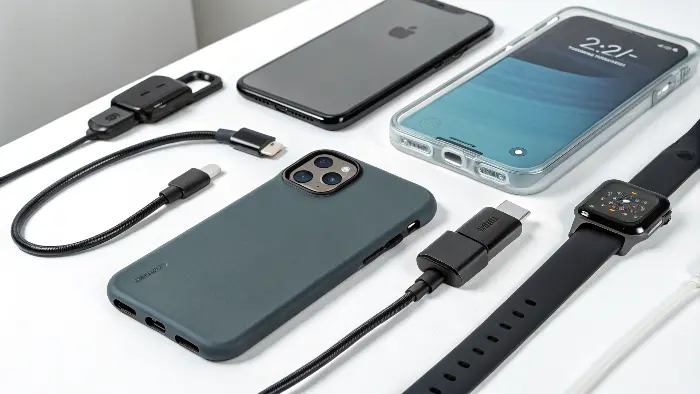
Struggling to find a material that’s tough yet flexible for your new gadget or medical tool? Traditional plastics too rigid, silicones too weak? TPU injection molding offers that suitable blend.
TPU is useful when a plastic part must flex, grip, seal or absorb impact. In consumer electronics and medical-related components, that material behavior can create better user experience, but it also introduces molding and validation challenges.
Related CKMOLD resources: injection mold services, DFM analysis, mold design, mold testing and validation, and production injection molding.
TPU injection molding is revolutionizing consumer electronics with protective cases and flexible cables, and medical devices with biocompatible catheters and wearables, thanks to its unique combination of durability, flexibility, and ease of processing.
What are the Applications of TPU, Generally Speaking?
Ever wondered what makes that phone case so durable yet flexible, or that watch strap so comfortable? Chances are, it’s TPU, but its uses go far beyond these everyday items. It’s a real workhorse.
TPU finds applications across numerous industries due to its elasticity, abrasion resistance, and chemical inertness. Common uses include automotive parts, footwear, sporting goods, industrial components, and, as we’ll explore, consumer electronics and medical devices.
What is TPU in Electronics, and How is it Changing the Game?
Tired of bulky, fragile electronic gadgets? What if your devices could be sleeker, tougher, and more comfortable to hold, all thanks to one amazing material? This is where TPU really starts to shine for consumers.
In electronics, TPU is prized for its shock absorption, grip, and durability. It’s commonly injection molded into protective cases, cable jacketing, flexible connectors, soft-touch overmolds for buttons and grips, and wearable device components.
What are the Medical Applications of TPU, and Why is it Trusted?
Need medical device components that are safe, flexible, and can withstand sterilization? Finding materials that meet stringent medical standards can be a real headache for device designers. This isn’t just about looking good; it’s about patient safety.
Medical-grade TPUs are widely used for catheters, tubing, connectors, seals, and components in drug delivery systems and wearable medical sensors due to their biocompatibility, flexibility, chemical resistance, and sterilizability.
What are the Applications of Injection Molding, Especially with TPU in Mind?
Got a complex part design for your electronic or medical device? Wondering how to mass-produce it efficiently and consistently, especially with a flexible material like TPU? That’s where the magic of injection molding comes in.
Injection molding is a versatile manufacturing process used to produce a vast range of parts, from tiny components to large housings. With TPU, it enables the creation of intricate, flexible, and durable parts with high precision and repeatability.
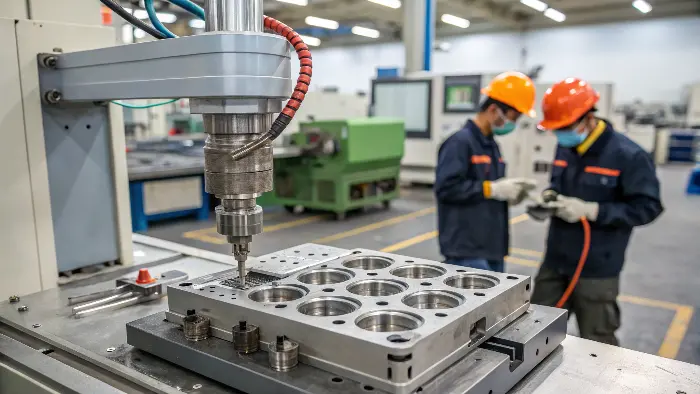
Injection molding itself is a workhorse process, and when you pair it with a material like TPU, you unlock some serious manufacturing power. I’ve been around injection molding machines for a long time, and their ability to churn out identical parts, sometimes millions of them, with incredible precision is still impressive. Think about it: almost every plastic item you see has likely been injection molded. Car dashboards, LEGO bricks (a classic example of precision!), bottle caps, an incredible array of consumer electronics casings, and, of course, medical device components. Why is it so popular? High volume, low cost per part (once the mold is made, and that’s a big “once” because molds are an investment), complex geometries are achievable, and you get excellent repeatability. When you throw TPU into this mix, it gets even more interesting. Because TPU is a thermoplastic, it can be melted, injected, and solidified repeatedly. This makes it suitable for injection molding. For the buyer’s consumer electronics components, injection molding allows us to create intricate features like button actuators, living hinges (though you have to be careful with very soft TPUs for these), and precise overmolds onto other plastic or metal parts. Imagine trying to make a million phone cases with suitable cutouts and a consistent soft-touch feel by hand – impossible! Injection molding makes it routine, almost boringly efficient, which is exactly what you want in mass production. For medical devices, the precision and cleanliness of injection molding are paramount. We can mold very fine details needed for luer locks on catheters or precise sealing surfaces. The process can also be highly automated, reducing human handling, which is a plus in cleanroom environments. The combination of TPU’s flexible yet tough nature with the efficiency and precision of injection molding is why we see it taking off in these demanding industries. It allows designers to dream up complex, functional parts that can actually be made affordably and reliably. It bridges that gap between a great idea and a real product in your hand.
Consumer Electronics: Grip, Protection and Feel
TPU is often used for soft-touch covers, protective bumpers, cable strain relief, wearable components and overmolded grips. The design challenge is balancing tactile feel with dimensional control, clean edges and durability. Overmolding onto rigid substrates can improve function but requires careful bonding and shutoff design.
Medical-Related Components: Comfort and Functional Flexibility
Medical-related TPU applications may include flexible housings, seals, protective covers, tubing-related parts or ergonomic surfaces. Material selection should consider cleanliness, biocompatibility expectations, sterilization exposure and documentation needs. The mold must reduce flash and contamination risk.
Design and Validation Risks
TPU applications should be validated for hardness, compression set, tear resistance, adhesion, chemical exposure and aging. A part that feels good in the first sample may still fail after repeated flexing or cleaning. CKMOLD reviews application conditions before recommending a tooling route.
TPU Injection Molding Applications in Electronics and Medical Devices: Buyer Review Checklist
- Define TPU hardness and tactile target before tooling.
- Review whether the part is molded alone or overmolded onto a substrate.
- Validate sealing, grip, tear resistance and aging for the final use.
- Control flash and edge quality for handheld or medical-related parts.
- Document material and process assumptions for regulated or high-risk applications.
FAQ
Why use TPU in consumer electronics?
TPU can provide impact protection, grip, flexibility and soft-touch feel for handheld or wearable products.
Can TPU be used for medical device parts?
It can be used in medical-related applications when the grade, documentation, cleanliness and validation requirements match the intended use.
Conclusion
TPU injection molding is not just a trend; it’s a powerful solution. It enables innovative, durable, and user-friendly products in electronics and medical fields, changing how we interact with technology and healthcare for the better.