
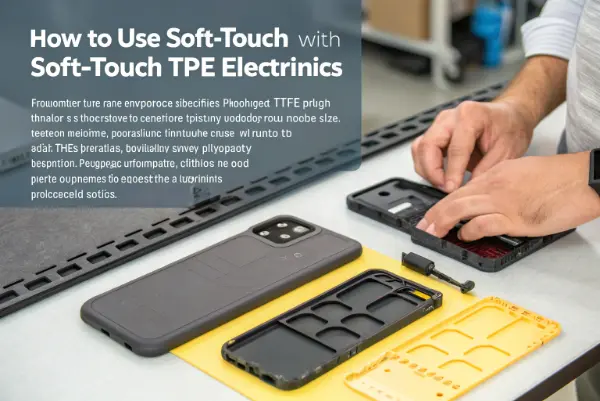
Designing premium electronics is hard. You want a product that feels great, but standard plastics feel cheap and hard. If you get it wrong, buyers will not like your product and sales will drop. Soft-touch TPE is the answer. It gives your designs a high-end feel while keeping factory production very easy.
Soft-touch TPE is a flexible material used in premium electronics to create a silky, comfortable grip. It bonds well to hard plastics like PC and ABS during overmolding. This material stops scratches, improves grip, and makes products look high-end. By matching the right TPE with a good hard plastic base, designers can stop parts from peeling. It is the best way to add a premium touch without adding much weight.
Let us look closer at how this material works. The details below will help you design better parts and avoid common mistakes in your daily work.
What is TPE soft plastic?
You might see a soft grip on a tool and wonder how it was made. Sometimes, standard rubber is too hard to mold fast. This causes slow production and high costs. TPE solves this problem. It acts like rubber but melts like plastic.
TPE stands for Thermoplastic Elastomer. It is a mix of plastic and rubber. This soft plastic stretches like rubber but can be melted and shaped quickly in standard injection molding machines. TPE is great because it is fully recyclable, which cuts down on waste. Designers love it because it feels soft, bends easily, and comes in many bright colors for custom brand looks.
The Basics of Soft Plastic
When I first started in the mold industry, I thought rubber and plastic were completely different. Rubber was soft but had to be baked for a long time. Plastic was hard and could be molded in seconds. Then I learned about TPE. It changed everything for my clients.
TPE gives you the best of both worlds. You get the soft, bouncy feel of rubber, but you can melt it and cool it just like normal plastic. This means you can run your machines very fast.
Why TPE Beats Normal Rubber
If you are designing a new product, you need to think about waste. When normal rubber burns or cures, you cannot melt it again. If you make a bad part, you have to throw it away. TPE is different. If you make a mistake, you can grind up the bad part, melt it again, and make a new one. This saves a lot of money and is better for the earth.
Also, normal rubber is mostly black or dull. TPE can be made into any color you want. You can match it perfectly to your brand colors. This helps your product stand out on the store shelf.
TPE vs Normal Rubber Comparison
| Feature | TPE Soft Plastic | Normal Rubber |
|---|---|---|
| Molding Speed | Very fast | Very slow |
| Recyclable | Yes, 100% | No |
| Color Options | Any bright color | Mostly dark or black |
| Cost to Produce | Low | High |
| Feeling | Soft and smooth | Soft but grippy |
Using TPE means you can design complex shapes that feel great in the hand. It is a smart choice for any designer who wants to save money and make better products.
What is premium TPE material?
Not all TPE materials are the same. Cheap TPE can feel sticky or peel off after a few weeks. This ruins your brand image and makes customers angry. Premium TPE fixes this by offering a long-lasting, silky smooth feel that buyers love.
Premium TPE material is a special grade of soft plastic made for high-end products. It offers a silky, non-sticky feel, skin safety, and high resistance to UV light, scratches, and stains. In electronics, premium TPE bonds strongly to hard plastics like PC and ABS without peeling. It also handles heat better, keeping electronic devices safe while looking great over years of daily use.
What Makes TPE "Premium"?
In my early days running my mold trading company, a client brought me a broken game controller. The soft grip was sticky and peeling off. They used a cheap material to save money, but it ruined their product. I told them to switch to premium TPE.
Premium TPE is different from the cheap stuff. It does not feel sticky. It has a dry, silky touch that feels very high-end. When a customer picks up a premium electronic device, they expect it to feel perfect. Premium TPE gives them that feeling.
Key Traits of High-End TPE
If you design parts that people touch every day, you must care about skin safety. Premium TPE does not have bad smells or harsh chemicals. It is safe to touch human skin all day.
It is also very tough. People drop their phones and scrape their watches. Premium TPE stops scratches. It also blocks UV light from the sun, so white parts do not turn yellow over time. It resists sweat and oil from human hands, so it stays clean.
Cheap vs Premium TPE
| Feature | Cheap TPE | Premium TPE |
|---|---|---|
| Touch Feel | Sticky and cheap | Silky and dry |
| Sun Resistance | Turns yellow fast | Stays the original color |
| Scratch Defense | Scratches easily | Very tough and protective |
| Skin Safety | Can cause bad smells | Safe and clean |
| Bonding Strength | Peels off hard plastic | Stays stuck firmly |
When you use premium TPE, you add real value to your product. Your customers will feel the difference right away. It is worth the extra cost to protect your brand and keep your buyers happy.
What is TPE in manufacturing?
Making two-part plastic products can cause big headaches. Gluing parts together takes too much time and often fails. This slows down your factory line. Using TPE in molding fixes this by melting soft plastic right onto hard plastic.
In manufacturing, TPE is used in a process called overmolding. Machines melt the TPE and shoot it over a rigid plastic base part. You can do this with multi-shot molding for high speed, or insert molding for lower volumes. This process skips the need for glue. TPE flows easily into mold details, adding thick protective layers and strong mechanical locks to stop parts from coming apart.
How Overmolding Works
When I visit factories, I love watching the overmolding process. It is like magic. You start with a hard plastic part, like the shell of a power tool or a phone case. We call this the substrate. Then, the mold closes again. The machine injects hot, melted TPE over the hard plastic. When it cools down, the two parts are stuck together forever.
There is no glue. The heat from the TPE melts the top layer of the hard plastic just a little bit. This makes a strong chemical bond.
Choosing the Right Process
As a designer, you need to know how the factory will make your part. There are two main ways to mold TPE over hard plastic.
The first way is multi-shot molding. This uses a big machine with two barrels. It shoots the hard plastic first, then the mold turns, and it shoots the TPE right away. The hard part is still hot, so the TPE sticks very well. This is very fast but the molds are expensive.
The second way is insert molding. You make all the hard parts first. Then a worker puts a cold hard part into a different machine, and the machine shoots the TPE over it. This is slower but the molds cost less. If you make less than 250,000 parts a year, this is usually the best choice.
Manufacturing Process Comparison
| Process Name | Speed | Mold Cost | Best For |
|---|---|---|---|
| Multi-Shot Molding | Very Fast | High | Large volume orders |
| Insert Molding | Slower | Lower | Small volume orders |
| Gluing by Hand | Very Slow | None | Very cheap, low quality parts |
In your daily design work, always make the TPE layer thick enough. If it is too thin, it will cool too fast and will not stick to the hard plastic. You can also add small holes or grooves in the hard plastic. The TPE will flow into these holes and lock into place. This makes the bond even stronger.
What are the applications of TPE?
You need to know where to use this material. If you use the wrong material on a wearable device, the user will get skin rashes. TPE stops this. It fits perfectly into many daily electronic items.
TPE is used in premium electronics to make wearable wrist straps, protective phone cases, game controllers, and smart home devices. It is chosen for areas that touch human skin often. TPE makes devices easy to hold, stops them from slipping, and protects them from drops. Because it is light and safe for skin, it is the top choice for any portable device that needs to feel comfortable.
Wearable Devices
I wear a smart watch every day. The strap is made of TPE. In the past, straps were made of stiff plastic or real rubber. They would trap sweat and hurt my wrist. Premium TPE is different. It bends with my wrist and feels soft. It does not smell bad after a workout.
For designers, this is a huge win. You can design a rigid core for the electronic parts, and overmold it with soft TPE. This gives the user a perfect fit. It is easy to clean and holds up against skin oils.
Protective Cases and Grips
Look at the premium electronics on your desk right now. Your mouse, your headphones, and your phone case probably have soft parts. TPE is perfect for this. It gives the user a firm grip so they do not drop expensive items.
If they do drop the device, the TPE acts like a cushion. It absorbs the shock and protects the hard plastic inside. This reduces damage and makes the product last longer.
TPE Application Guide
| Application Type | Why TPE is Used | Key Benefit |
|---|---|---|
| Smart Watch Straps | Touches skin all day | Safe for skin, soft |
| Phone Cases | Dropped often | Absorbs shock, tough |
| Game Controllers | Held tightly | Non-slip grip, blocks sweat |
| Earbuds | Goes inside the ear | Very soft, easy to clean |
If you want to start using TPE in your designs, follow these simple steps. First, pick your hard plastic base. Second, find a TPE that is made to stick to that exact hard plastic. Third, decide if you will use insert molding or multi-shot molding. Finally, test the parts. Rub them, scratch them, and leave them in the sun to make sure they pass your tests.
Conclusion
Soft-touch TPE is a perfect material for premium electronics. It offers a silky feel, strong drop protection, and bright colors. By using overmolding, designers can easily bond TPE to hard plastics without glue. Choosing the right premium TPE will stop peeling, block scratches, and make your products feel amazing in the hands of your customers.