Home / Mold Tooling / Mold Transfer and Production Takeover
A mold transfer moves more than steel. CKMOLD reviews the reason for transfer, ownership, files, part samples, production history, tool condition, receiving-machine fit, open quality problems and the commercial obligations that could disrupt restart.
The program is designed for supplier replacement, a China second source, reactivation of an idle customer-owned mold or production recovery after quality, delivery or communication problems. Repair work is kept as a defined sub-scope rather than allowed to hide the wider transfer risks.

Customer authority and tool identity come first
Files, samples and production history retained
Current output compared with approved reference
Process, quality and supply plan re-established
Reviewed by CKMOLD project engineering • Last updated August 2026
Recover a customer-owned tool after repeated quality, delivery, cost or communication problems without losing the released product basis.
Establish an additional production route while controlling ownership, part equivalence, material and approval across suppliers.
Return an older mold to production after storage, relocation or demand resumption, with condition and spare-parts risk visible.
Move owned molds into one managed production workflow while keeping part/tool revisions, schedules and maintenance separate.
Use defect samples, history and current trial evidence to separate tool, process, material and measurement causes before corrective work.
Requalify production around a realistic press and schedule; do not promise output before tool fit and process condition are known.
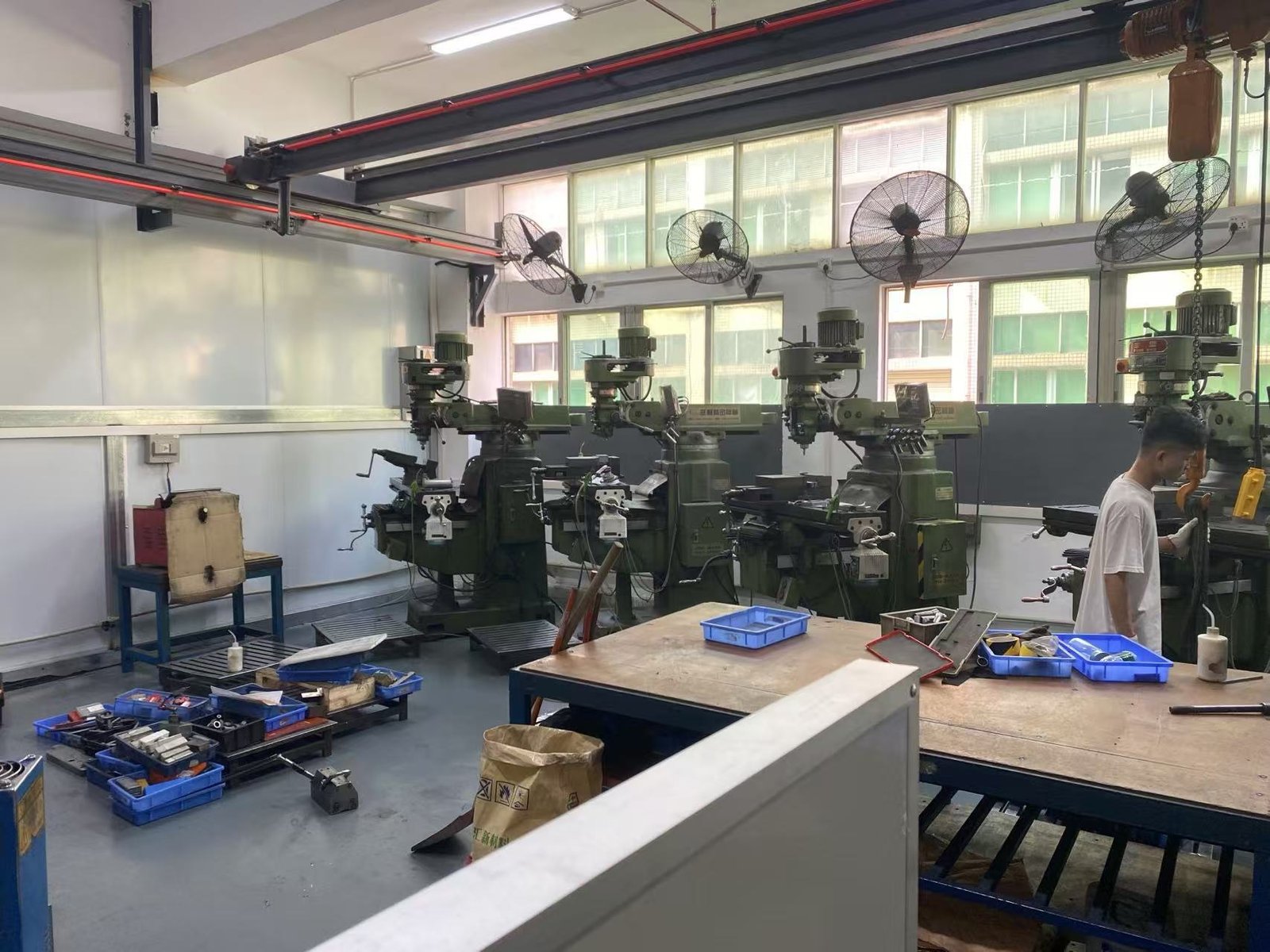
The intake review checks mold identity, exterior condition, parting and cavity/core surfaces, inserts, actions, guidance, ejection, cooling, hot runner/electrics, hydraulics, fasteners and signs of prior welding or modification. Water-circuit leaks or blockage and unavailable components can determine the restart path.
Inspection does not guarantee every hidden defect will be found before trial. CKMOLD records visible conditions, proposed actions and items that can only be confirmed under press, then separates required repair from optional preventive work.
Confirm ownership, release from prior supplier, logistics, insurance, files, samples and desired restart outcome.
Inspect condition and compatibility; define cleaning, repair, component, hot-runner and machine-fit actions.
Run the specified resin, label cavities and compare current samples with drawing, approved reference and defect history.
Establish settings and inspection on CKMOLD equipment; do not copy the old process without validating machine differences.
Close actions, release quality/packaging basis, schedule production and preserve ownership/maintenance records.
Do not move a tool without customer authority, confirmed ownership, mold identity and release from the current custodian.
Secure actions, drain/protect circuits, preserve steel, pack spares and document condition before the tool leaves its origin.
A mold can arrive without correct drawings, process history, hot-runner data, spare parts or a reliable approved sample. The intake plan must budget for reconstruction.
Prior welding, worn shutoffs, blocked water or modified components may appear only during detailed inspection or trial.
A different machine, resin source, environment or process can change the part. Approval compares evidence, not only tool identity.
A production date is confirmed after receipt, inspection, parts/components, repair and trial—not from shipping ETA alone.
Potentially, after the customer confirms ownership, release authority, tool identity, packing responsibility, transport terms, insurance and the documents/items to collect. The commercial route is agreed before logistics are booked.
No reliable promise can be made from an external photo alone. CKMOLD can provide a provisional plan, then confirms scope and timing after receipt, inspection, machine matching and parts/component availability.
They provide a reference but must be redeveloped and validated on the selected press, resin handling, utilities and local conditions. The approved part and drawing remain the acceptance basis.
CKMOLD can inspect and reconstruct information needed for repair or operation, but effort, risk and deliverables are scoped after intake. Missing design history can make modifications or export handover more difficult.
The customer defines equivalence criteria. CKMOLD trials the transferred or new tool, provides agreed samples/reports, closes differences and releases production only after the customer’s required approval route is complete.
Send tool ownership/release details, location, mold and part files, approved sample, defect and repair history, prior process, material, quantities, target restart and available packing information.
Use this short form for a general inquiry. For CAD upload, quantities and quality requirements, use the full RFQ page.