Circular Economy Solutions for Plastic Manufacturing: How Can We Choose Materials and Design Better?

Are you tired of seeing plastic parts end up in the trash? As mold designers, we often worry about the waste our products create. It hurts our planet and costs our companies money. But you can fix this. By changing how you pick materials and plan your designs, you can build products that last longer and recycle easier.

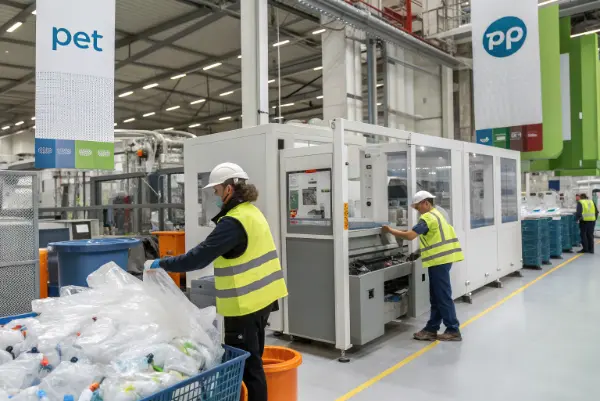
A circular economy in plastic manufacturing means designing products so they can be reused or recycled instead of thrown away. To do this, you must pick recyclable plastics like PET or PP. You also need to design molds that use less material and avoid mixing different plastics. This keeps the material pure, making it easy to melt down and use again. Good material choices and smart mold designs save money and protect the earth.

circular economy plastic materials

Making green choices in mold design is not just a trend. It is a new standard. Let us look at how you can change your daily design work to fit this model.

What are the best plastic materials for a circular economy?

Picking the wrong plastic can ruin your recycling goals. Many designers grab whatever material is cheap. Then, the parts break early or cannot be recycled. This wastes time and harms the earth. Choosing the right plastic from the start solves this problem easily.

The best plastics for a circular economy are thermoplastics that keep their strength after melting. Polypropylene (PP) and Polyethylene Terephthalate (PET) are top choices. They melt easily and can be shaped into new parts many times. You should avoid thermoset plastics because they burn instead of melting. Using recycled resins, like rPET, also helps. Always check the recycle code to make sure local centers can process your chosen material.

best plastics for recycling

Let us break down how we choose materials. When I started my mold trading company, I saw many designers fail here. They picked materials based only on the price. But cheap materials often cost more later. You must think about the whole life of the plastic part.

Thermoplastics vs. Thermosets

There are two main types of plastics. You must know the difference. Thermoplastics melt when you heat them. You can cool them, and they get hard again. You can do this many times. This makes them great for recycling. Thermosets are different. Once you mold them, they stay hard forever. If you heat them again, they just burn. Do not use thermosets if you want a circular economy.

Top Material Choices

Here is a simple guide to help you pick the best materials.

Material Name Good for Recycling? Common Uses Why Choose It?
Polypropylene (PP) Yes, very good Food containers, car parts It is tough and easy to melt again.
PET / rPET Yes, excellent Bottles, clear packaging It holds its shape well and recycles cleanly.
PVC Poor Pipes, cables Hard to recycle because it releases bad gases.
Polyurethane (PUR) Very poor Foams, strong glues It is a thermoset. It will not melt.

Using Bio-based Plastics

Today, you can also look at bio-based plastics. These come from plants like corn. Some of them, like PLA, can turn into dirt in a compost bin. But be careful. If PLA mixes with normal plastics like PET, it ruins the recycling batch. Always label your parts clearly. When you pick the right resin, your mold design job gets much easier. You help your boss save money and make better products.

How does mold design affect plastic recycling?

Does your mold design make recycling impossible? Many engineers add metal inserts or thick walls without thinking. This makes the final product very hard to break apart and melt down. It traps your company in a cycle of waste. A smart mold design fixes this issue fast.

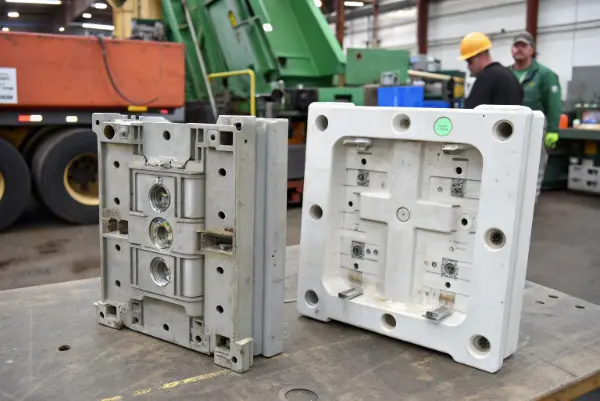
Mold design directly controls how easily a plastic part can be recycled. You must design parts that are easy to take apart. Avoid using metal screws or metal inserts molded straight into the plastic. Instead, use snap fits or plastic clips. Keep your wall thickness even. This stops the plastic from bending or sinking during molding, which means fewer bad parts go to the trash. A clean design means pure recycled plastic.

mold design for recycling

I remember working in the mold factory years ago. We made a lot of bad parts because the mold design was poor. We had to throw them all away. Now, as mold designers, you have the power to stop this waste before it starts.

The Problem with Metal Inserts

Many products need metal threads for screws. So, designers put brass inserts into the mold. The plastic flows around the brass. But think about the end of the product’s life. How will the recycling center get that brass out? They have to crush the part and sort the metal from the plastic. This is slow and expensive.

Designing for Easy Break Down

Instead of metal inserts, you can change your mold design. You can design snap fits.

Design Choice Impact on Recycling Better Alternative
Molded-in Metal Inserts Ruins the plastic batch Snap fits or plastic threads
Glue and Adhesives Contaminates the melted plastic Ultrasonic welding or friction joints
Paper labels stuck on plastic Burns during melting Molded-in logos or laser marks

Smart Mold Layouts

You also need to think about your mold runners. The runner is the channel that carries liquid plastic to the part. If you use cold runners, you make a lot of extra plastic scrap with every shot. Yes, you can grind cold runners up and reuse them. But it takes time and energy. Hot runners keep the plastic hot inside the mold. They push the plastic right into the part. You make zero runner waste. This is perfect for a circular economy. It saves your factory thousands of dollars in resin costs every year.

Why should we use single-material designs instead of mixed plastics?

Mixing materials seems like a good way to get the best product features. You might want a hard plastic body with a soft rubber grip. But when the product dies, nobody can recycle it. This fills up landfills. Using one single material solves this messy problem.

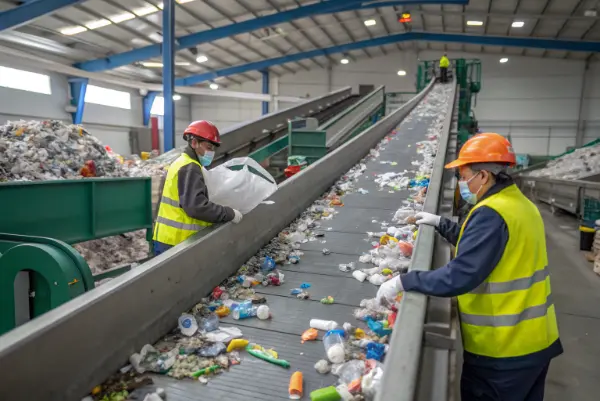
Using a single material means the whole product is made from one type of plastic. This makes recycling fast and cheap because sorting centers do not have to separate different materials. When you mix plastics, like molding soft rubber onto a hard plastic shell, the materials cannot be separated easily. If they melt together, they ruin the batch. By designing with just one plastic type, you ensure the old product can become a new product.

single material design

In my early days doing mold trading, clients always asked for overmolding. They wanted a hard ABS tool handle with a soft TPU rubber grip. It looks great. It feels great. But it is a nightmare for a circular economy.

The Danger of Mixed Plastics

When a recycling center gets a tool handle made of ABS and TPU, they are stuck. ABS melts at one temperature. TPU melts at a different temperature. If they grind the handle up and melt it, the TPU will burn while the ABS melts. The whole batch turns into useless, smelly black mush. This is why mixed materials go straight to the trash dump.

How to Use Only One Material

You have to think like an artist and a scientist. How can you get a soft feel and a hard body using the same plastic?

The Polypropylene (PP) Solution

PP is a magic material. You can change how PP acts by changing the mold design.

Product Need Old Mixed Way New Single Material Way
A box with a flexible hinge Hard body + metal hinge pin A living hinge molded flat from PP
A hard handle with a soft grip Hard plastic + soft rubber overmold A hard PP handle with textured grips
Clear window on an opaque box Clear PC window glued to ABS box Clear PP box with frosted sides for opacity

As you can see, you can use textures in your mold tool to make a part feel soft or grippy. You do not need soft rubber. A rough texture on a hard plastic part gives a good grip. It is all about how you plan the steel mold. Using single materials keeps the plastic clean. Clean plastic is the base of the circular economy.

How can we reduce waste during the plastic injection molding process?

Even with the best materials, bad factory setups waste too much plastic. Machines purge dirty plastic onto the floor. Bad cooling makes warped parts. This hurts your profits and ruins your green plans. You can fix this by fine-tuning your mold and machines.

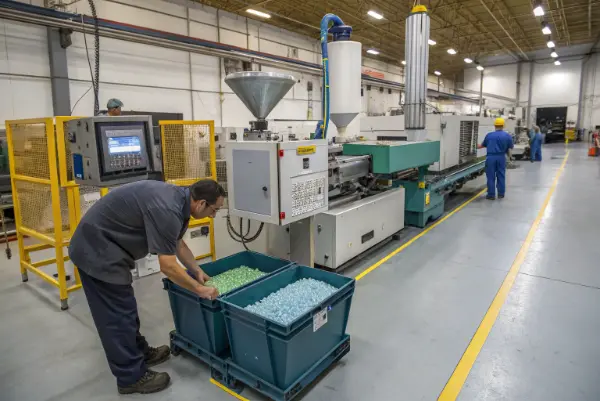
To reduce waste during injection molding, you must optimize your mold cooling lines and gate sizes. Good cooling stops parts from bending, which means fewer rejected parts. You should also use regrind material properly. You can mix the clean scrap plastic with new plastic. Keep your machines clean so you do not have to throw away plastic with black spots. Using simulation software before cutting steel also catches mistakes early, saving lots of time and material.

reduce molding waste

I have visited hundreds of mold factories. The good ones are clean and quiet. The bad ones have piles of rejected plastic parts sitting in the corners. As a designer like you, Jacky, you can stop this waste before the mold even goes on the machine.

Catch Mistakes Before Cutting Steel

The best way to reduce waste is to not make mistakes in the first place. You must use simulation software. This software shows you how the plastic will flow inside the steel mold. It shows you where the air gets trapped. It shows you where the part will shrink and bend. If you fix these issues on your computer, you will not make bad parts in the factory.

Smart Scrap Management

Even the best factories have some scrap. You have the sprue and the runners. You must have a plan for this extra plastic.

Type of Waste How it Happens How to Save It
Cold Runners Plastic hardening in the feed channels Grind it right at the machine and mix it 10% with new resin
Purge Patties Cleaning the machine screw between colors Sell this mixed lump to low-grade plastic makers
Short Shots Not enough plastic enters the mold Fix your venting and gate size, then regrind the bad part

Fix Your Cooling

Cooling is everything. If one side of your mold is hotter than the other, the plastic part will warp. A warped part goes in the trash. Design your water channels so they hug the shape of the plastic part. Use conformal cooling if you can. It cools the plastic fast and evenly. Fast cooling saves machine time. Even cooling saves plastic. This makes your boss happy and keeps our planet much cleaner.

Conclusion

Moving to a circular economy is the smartest thing you can do as a mold designer. By picking materials that melt easily and designing molds that keep plastics pure, you stop waste at the source. It takes a little more thought, but it builds a cleaner world and a stronger business. Start simple, and make better molds today.

Facebook
Twitter
LinkedIn

Request A Quote for Your Projects!

Hi there! I’m Jerry, a proud dad and passionate at CKMOLD. With years of hands-on experience in the injection mold and CNC industry, I’ve grown from managing the smallest details on the shop floor to leading international projects with clients across Europe and the U.S.

At CKMOLD, we specialize in precision molds, plastic parts, and CNC solutions that help bring bold product ideas to life. I love solving complex challenges, building long-term partnerships, and pushing the limits of what great manufacturing can do.

Let’s connect, exchange ideas, and grow together—whether you’re looking for a reliable manufacturing partner or just want to talk shop!

Start with the Project Basics

Use this short form for a general inquiry. For a quotation, complete the full RFQ and email any 3D/CAD files separately to jerry@ckmold.com.

Wait, We Have Something Special for You!

Join our mailing list and receive a 10% discount on your next mold or CNC project.