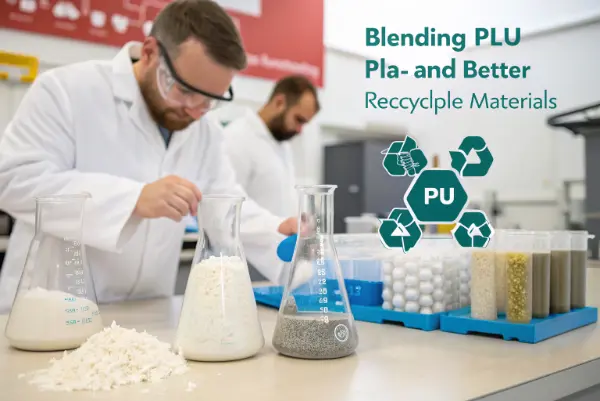
What Are the Advanced Recycling Technologies for PLA and TPU?

You want to use eco-friendly plastics like PLA and flexible ones like TPU. But when the product life ends, recycling them is a huge headache. Traditional methods often ruin their properties, leaving you with useless scrap. The good news is that new recycling technologies are finally solving this problem.

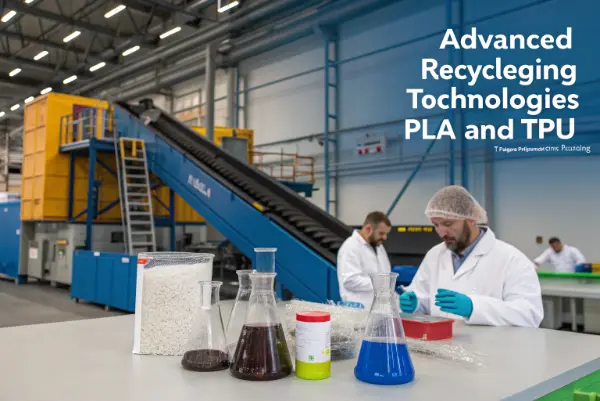
Advanced recycling technologies for PLA and TPU involve chemical breakdown and upgraded mechanical sorting. For PLA, chemical recycling uses heat and enzymes to turn waste back into raw lactic acid without losing quality. For TPU, new mechanical processes melt and reshape the material while keeping its bounce and strength. These innovations overcome the old limits, letting us reuse these plastics again and again for high-quality mold design.

advanced recycling technologies

Let us dive into how these new methods actually work and why they matter for your next big project. If you want to keep your designs green and cost-effective, you cannot afford to miss this.

Why Is Recycling PLA and TPU So Challenging Today?

Dealing with plastic waste is frustrating. You mix PLA with other plastics, and the whole batch gets ruined during melting. TPU loses its elasticity if you just grind it up and melt it the old way. This makes designers avoid using recycled materials altogether.

Recycling PLA and TPU is challenging because they have very different melting points and chemical structures compared to standard plastics. If PLA mixes with PET, it ruins the recycling batch by lowering the melting temperature. TPU, being a rubber-like plastic, degrades quickly under high heat, losing its stretch and strength. Standard recycling plants just do not have the right tools to separate and process them safely.

recycling challenges pla tpu

The Hidden Hurdles in Plastic Recovery

When I first started CKMOLD, we tried to reuse some TPU scraps from a phone case run. It was a complete disaster. The material turned brittle and yellow. The parts cracked as soon as we tested them. This happens because TPU has a complex structure. It is made of hard blocks and soft blocks. Normal heat breaks these blocks apart. Once those blocks break, the plastic loses its magic.

PLA has its own set of issues. It looks and feels like normal plastic, but it is actually made from corn starch or sugar cane. If you put it in a regular plastic recycling bin, it acts like a poison to the other plastics. To understand this better, we need to look at how these materials react to standard recycling methods. Standard recycling just chops, washes, and melts the plastic. But this simple process destroys the very things that make PLA and TPU great for our products.

Plastic Type Standard Recycling Issue Why It Happens
PLA (Polylactic Acid) Melts too early, ruins batches Very low melting point compared to standard PET
TPU (Thermoplastic Polyurethane) Loses stretch, gets very brittle High heat destroys the long polymer chains

We need a much better way. As a mold designer, you need materials that perform exactly as you planned. If the recycled plastic is weak or unpredictable, your mold will produce bad parts. Shrinkage rates will change. Walls will warp. Your tight deadlines will be ruined by endless testing. That is why advanced recycling methods are not just a nice idea; they are essential for our industry. We have to look past the basic chopping and melting. We have to look at the chemistry to fix the root of the problem.

How Does Chemical Recycling Innovate PLA Recovery?

You want to reuse PLA, but melting it down makes it weak and useless for tight-tolerance molds. It feels like a waste of money and materials. Chemical recycling changes the game by completely renewing the plastic from the inside out.

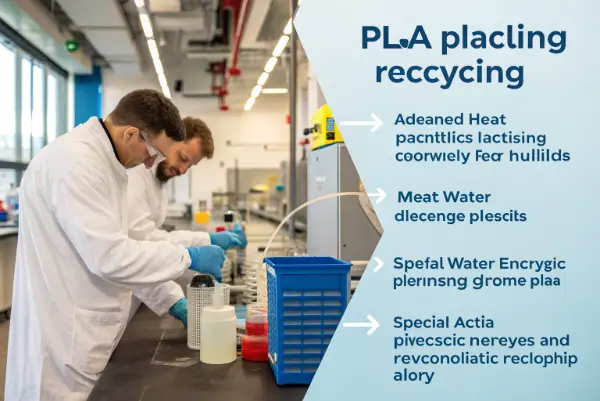
Chemical recycling innovates PLA recovery by breaking the plastic down into its basic building blocks, called lactic acid. Instead of just melting the plastic, advanced facilities use heat, water, and special enzymes to dissolve the PLA. This process removes all colors and dirt. The clean lactic acid is then rebuilt into brand-new PLA. This means the recycled PLA is just as strong and clear as virgin material.

chemical recycling pla

Breaking Down PLA to Build It Up

I remember a client who wanted a fully recycled PLA product line for their new eco-friendly brand. With old mechanical recycling, the plastic got cloudy. The shrink rates were all over the place. We could not get the mold right, and we wasted weeks trying to adjust the machine settings. Then we learned about chemical recycling. It is like taking a complex LEGO castle apart, cleaning every single block, and putting them back in the box. You get perfect pieces every time you open the box.

Chemical recycling for PLA mainly uses two methods: hydrolysis and alcoholysis. These sound like big science words, but they just mean using water or alcohol combined with heat to melt the chemical bonds.

Method What It Uses Best For End Result
Hydrolysis High heat and pure water Pure PLA waste streams Raw lactic acid liquid
Enzymatic Special natural enzymes Mixed PLA waste Pure plastic monomers

Why does this matter so much for you as a designer? Because the recycled material acts exactly like it is brand new. When you calculate mold shrinkage for your parts, you do not have to guess. The flow rate in the injection machine stays perfectly steady. You avoid all the traps of standard recycled plastics. Yes, this advanced process costs more right now. But the technology is growing fast across the world. Soon, it will be the normal way we handle bioplastics. You can design with a clean conscience and a perfectly clean molding process.

What Are the Breakthroughs in TPU Mechanical Recycling?

Finding a way to reuse TPU without losing its bounce is a nightmare. Every time you melt it, the material gets weaker and harder. This means tons of expensive TPU sprues and runners end up in the trash. But new mechanical upgrades are fixing this.

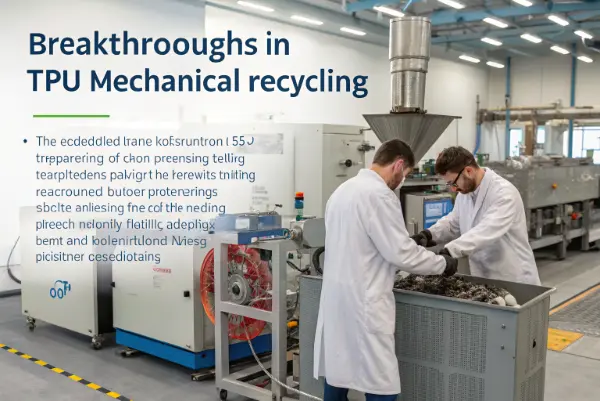
Breakthroughs in TPU mechanical recycling involve low-temperature processing and chain extenders. Instead of blasting the TPU with high heat, new machines melt it gently. They also add special chemicals called chain extenders during the melting phase. These chemicals reconnect the broken bonds inside the rubber. Because of this, the recycled TPU keeps its flexibility and toughness, making it safe to mix back into high-quality mold runs.

tpu mechanical recycling

Keeping the Bounce in Recycled TPU

Back in my early days running a CNC and molding shop, I hated throwing away TPU runners. They cost so much money to buy. But my lead engineers told me we could not reuse them for flexible seals. The parts would just crack under pressure. Now, the plastics industry has figured out how to save those expensive scraps. The secret is protecting the long polymer chains that make TPU stretchy and strong.

When you heat TPU the normal way, those chains snap like dry spaghetti. The new breakthrough is a chemical add-in called a chain extender. Think of it like a strong bridge that connects the broken ends back together while the plastic is hot.

Recycling Step Old Standard Method New Advanced Breakthrough
Grinding Fast chopping, creates lots of heat Slow, cooled grinding to protect chains
Melting High heat, breaks the polymer chains Gentle heat with chain extenders added
Final Output Brittle, weak, and yellow plastic Strong, flexible, like-new rubber material

As a product designer, you know that a bad seal ruins the whole device. With these upgraded mechanical methods, you can safely use up to 30 percent recycled TPU without changing your mold design at all. The flow properties stay very close to the original virgin material. This saves your company money and keeps your projects green. It is a big win for tight project deadlines. You do not have to redesign the runner system just to handle bad recycled plastic.

Can Blending PLA and TPU Create Better Recyclable Materials?

PLA is too stiff and breaks easily. TPU is bouncy but expensive. Trying to use them alone sometimes leads to failed drop tests or high costs. What if you could blend them, but you worry it will make recycling impossible?

Blending PLA and TPU creates better recyclable materials by combining the stiffness of PLA with the toughness of TPU. Scientists are using advanced compatibilizers to mix these two plastics perfectly. This creates a strong, flexible bio-blend. When it is time to recycle, these smart blends can be processed together using new chemical solvents. This turns a mixing problem into a brand-new super plastic that is easy to reuse.

blending pla and tpu

The Future of Smart Polymer Blends

I always tell young designers to think about the end of the product’s life before they even start drawing. We used to think that mixing different plastics was a deadly sin for recycling. If you mixed PLA and TPU in the past, you just made trash that nobody could use. But the rules of plastic design are changing fast. By using special additives, we can force these two very different plastics to play nice together.

We call these smart additives "compatibilizers." They act like strong glue between the rigid PLA molecules and the soft TPU molecules.

Material Blend Key Benefit for Design Advanced Recycling Method
80% PLA + 20% TPU Fixes PLA brittleness Smart chemical separation
50% PLA + 50% TPU Great impact resistance Advanced solvent recycling

This blend is amazing for consumer electronics, which I know you work with often. You get the hard shell feel of PLA, but it survives a drop test because the TPU acts like a hidden shock absorber. When the product is tossed out, new recycling plants use specific liquid solvents. One solvent washes away the PLA into a holding tank. Another solvent grabs the TPU. Then the plant rebuilds them separately.

For your daily mold design work, this means you can create parts that do more with less material. You do not need to over-engineer the wall thickness just to pass a simple drop test. You can rely on the strength of the material blend. And you can do it knowing the plastic will not sit in a landfill forever. It is truly the future of smart product design.

Conclusion

Recycling PLA and TPU used to be a massive headache that ruined materials and wasted money. Now, with chemical recycling for PLA and advanced chain extenders for TPU, we can reuse these plastics without losing quality. These incredible innovations make our mold designs better and our industry greener. Embrace these new materials and keep making great products for the future.

Facebook
Twitter
LinkedIn

Request A Quote for Your Projects!

Hi there! I’m Jerry, a proud dad and passionate at CKMOLD. With years of hands-on experience in the injection mold and CNC industry, I’ve grown from managing the smallest details on the shop floor to leading international projects with clients across Europe and the U.S.

At CKMOLD, we specialize in precision molds, plastic parts, and CNC solutions that help bring bold product ideas to life. I love solving complex challenges, building long-term partnerships, and pushing the limits of what great manufacturing can do.

Let’s connect, exchange ideas, and grow together—whether you’re looking for a reliable manufacturing partner or just want to talk shop!

Start with the Project Basics

Use this short form for a general inquiry. For a quotation, complete the full RFQ and email any 3D/CAD files separately to jerry@ckmold.com.

Wait, We Have Something Special for You!

Join our mailing list and receive a 10% discount on your next mold or CNC project.