
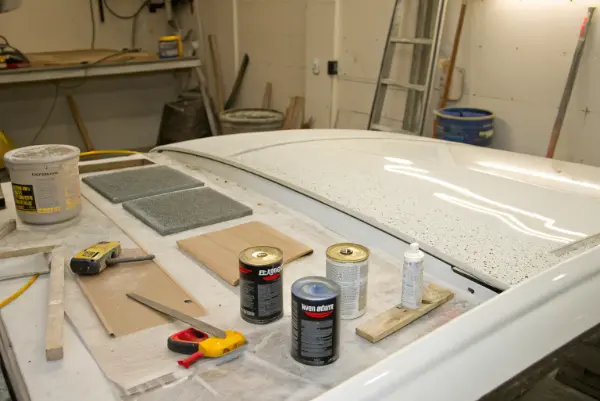
Your 3D-printed or machined plastic prototypes work reliably, but they look rough and unfinished. This raw appearance can undermine the perceived quality of your entire project, making it hard to get approval from clients or stakeholders. The right surface finishing techniques can transform these functional parts into stunning, showroom-quality pieces that accurately represent your final vision and secure the buy-in you need.
A showroom-quality prototype must communicate design intent at first glance while preserving the functional evidence behind the model. Surface preparation, texture, color, gloss, gaps, hardware, graphics and assembly alignment all influence perception. The finishing plan should begin before fabrication because print orientation, support marks, machining paths and split lines determine how much correction is possible later.
Related engineering resources: prototype injection molding | DFM analysis | mold testing and validation
To elevate a plastic prototype to showroom quality, you must select and apply the right finishing techniques. This involves a multi-step process that can include sanding for smoothness, painting for color and protection, polishing for a high-gloss shine, and texturing for a specific look and feel. The best method depends on the plastic material, the intended application, and whether the prototype is for functional testing or aesthetic presentation. Combining these techniques correctly is key to achieving a professional finish.
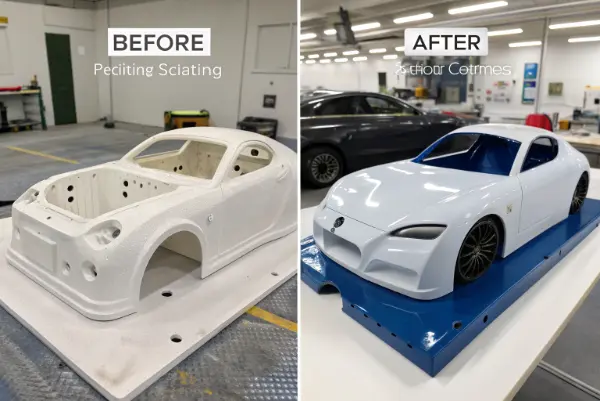
You now know the basic options, but turning that knowledge into a beautiful, finished part is the real challenge. It’s one thing to hear about sanding and painting; it’s another to master the process to get consistent, professional results. I’ve spent countless hours in the workshop turning rough parts into polished products.
What are the different surface finishes for plastic?
You know you want a “nice” finish, but what does that actually mean? Using vague terms with a manufacturer can lead to prototypes that don’t match your vision, causing delays and rework. This communication gap is a common source of frustration and unexpected costs. Clearly defining the finish using industry standards ensures everyone is on the same page, from designer to mold maker, guaranteeing your prototype looks exactly as intended.
The main surface finishes for plastic are categorized by their gloss and texture level, often defined by SPI (Society of the Plastics Industry) standards. These range from A-grade, a mirror-like high-polish finish, to B-grade semi-gloss, C-grade matte, and D-grade textured or rough finishes. Each standard corresponds to a specific mold preparation process and final part appearance. Choosing the correct SPI grade is the first step to specifying the exact look and feel you want for your product.
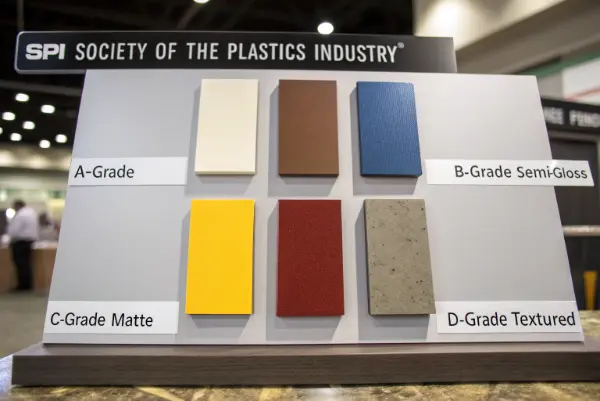
Decoding the SPI Finish Standards
The SPI standards create a universal language for plastic finishes. They directly relate to the finish of the mold steel that creates the part. A more polished mold results in a shinier part.
| SPI Grade | Description | Typical Mold Preparation | Common Applications |
|---|---|---|---|
| A-1 | Grade #3 Diamond | 6 Diamond Buff | Lenses, Mirrors, High-Polish Optics |
| A-2 | Grade #6 Diamond | 3 Diamond Buff | High-End Consumer Electronics, Display Pieces |
| A-3 | Grade #15 Diamond | 1 Diamond Buff | High-Quality Polished Parts |
| B-1 | 600 Grit Paper | Fine Sandpaper Polish | Consumer Products, Semi-Gloss Covers |
| B-2 | 400 Grit Paper | Medium Sandpaper Polish | Visual Parts Requiring Good Appearance |
| B-3 | 320 Grit Paper | Coarse Sandpaper Polish | Less Critical Visual Parts |
| C-1 | 600 Stone | Fine Stone Polish | Matte Finish, Low-Gloss Industrial Parts |
| C-2 | 400 Stone | Medium Stone Polish | Technical Parts, Hides Minor Imperfections |
| C-3 | 320 Stone | Coarse Stone Polish | Non-Cosmetic Surfaces, Interior Parts |
| D-1 | Dry Blast #11 | Glass Bead Blast | Satin Textured Finish |
| D-2 | Dry Blast #240 | Aluminum Oxide Grit Blast | Dull Textured Finish |
| D-3 | Dry Blast #24 | Coarse Aluminum Oxide Grit Blast | Rough, Non-Slip Textured Surfaces |
Matching the Finish to Your Product’s Goal
The finish isn’t just about looks; it affects function and perception. A high-gloss, A-grade finish screams “premium,” but it also shows fingerprints and scratches easily. It’s suitable for a luxury electronic device that will be handled with care. A C-grade matte or D-grade textured finish is more practical for an automotive dashboard or a power tool handle. These finishes hide scuffs, reduce glare, and can improve grip. When you design a part, think about its environment and how users will interact with it. This will guide you to the right SPI grade.
What is the finishing process of plastic?
So you have a raw plastic prototype, but you’re unsure of the exact steps to get it to a finished state. Simply jumping into sanding or painting without a plan can create more problems, like uneven surfaces or paint that peels off. This lack of a systematic process wastes time and materials, leaving you with a subpar result. A structured finishing process ensures each step builds upon the last, leading to a consistently high-quality and durable finish.
The finishing process for plastic is a sequential workflow that begins with surface preparation. It starts with removing support structures and flash, followed by sanding with progressively finer grits to create a smooth, uniform surface. Next is cleaning and priming to ensure adhesion. After that, color coats and clear coats are applied. For specific looks, polishing to a high gloss or applying textures may be the final steps. Each stage is crucial for achieving a professional and lasting finish.
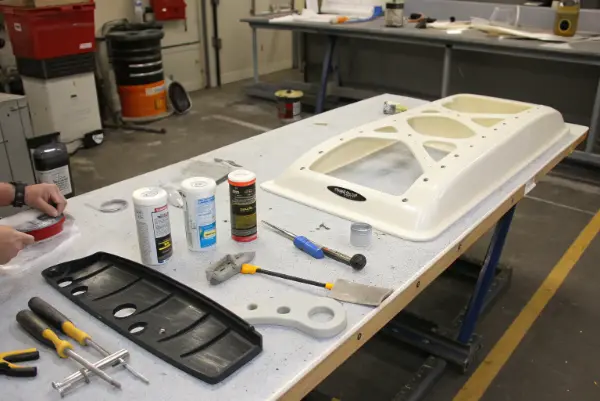
Step 1: Initial Part Cleanup and Preparation
This is the most critical and often overlooked stage. Your goal is to create a clean, uniform canvas.
- Support Removal: For 3D-printed parts, carefully remove all support material. Use flush cutters, needle-nose pliers, and hobby knives. Be gentle to avoid gouging the part’s surface. For injection-molded prototypes, this involves trimming the gate and any flash.
- Initial Sanding: This isn’t about making it smooth yet; it’s about making it level. Use a coarse-grit sandpaper (around 120-180 grit) to remove support nubs, layer lines, or tooling marks. Focus on creating a consistent, even surface.
Step 2: Surface Smoothing and Refinement
Here, you refine the surface to the desired smoothness.
- Progressive Sanding: Work your way up through finer grits of sandpaper. A typical progression would be 220 -> 320 -> 400 -> 600 grit. Generally sand in a circular or cross-hatch motion to avoid creating deep scratches. If you plan to paint, 400-600 grit is usually sufficient. For a high-polish finish, you’ll need to go much higher.
- Wet Sanding: For the finest grits (400 and up), wet sanding is a great technique. It uses water to lubricate the sandpaper, preventing it from clogging and washing away dust. This results in a much smoother surface and prepares the plastic for polishing or a consistent paint job.
Step 3: Priming, Painting, and Sealing
This is where your part gets its color and protection.
- Cleaning: Thoroughly clean the part with soap and water, then wipe it down with isopropyl alcohol (IPA) to remove any oils, dust, or fingerprints. Adhesion is impossible without a reliably clean surface.
- Priming: Apply a thin, even coat of a high-quality primer designed for plastics. Primer fills in microscopic scratches and creates a uniform surface that paint can bond to chemically.
- Painting & Clear Coating: Apply your color in several thin coats, allowing each to dry completely. Finish with a clear coat (matte, satin, or gloss) to protect the paint and give the part its final sheen.
What are the key finishing techniques for plastic?
You understand the process, but what are the actual hands-on techniques? Knowing you need to sand is one thing, but knowing how vapor smoothing works or when to use bead blasting is another. Without knowledge of these specific techniques, your options are limited, and you might be missing a suitable solution for your project. Learning these different methods expands your toolkit, allowing you to choose the most efficient and effective technique for any material or desired outcome.
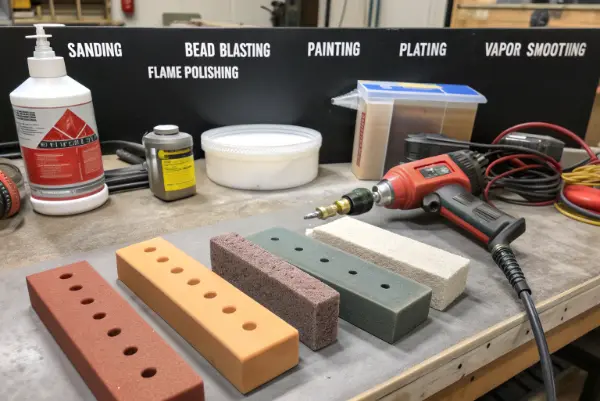
Key finishing techniques for plastic include subtractive methods like sanding and bead blasting, additive methods like painting and plating, and transformative methods like vapor smoothing and flame polishing. Sanding is fundamental for smoothness. Painting provides color and protection. Vapor smoothing creates a glossy, injection-mold-like finish on certain 3D-printed plastics. Each technique offers a unique combination of aesthetics, surface properties, and cost, tailored to different project requirements.
Subtractive Techniques: Removing Material
These methods create a finish by taking away small amounts of the surface material.
- Sanding: This is the most common technique. It can be done by hand or with power tools. The key is progressive grit and patience. It’s labor-intensive but gives you complete control. It works on virtually any rigid plastic.
- Bead Blasting: This technique involves propelling fine media (like glass beads or plastic grit) at the part’s surface. It’s fantastic for creating a uniform, non-directional matte or satin texture. It’s very fast and excellent for hiding layer lines on 3D prints or machining marks on CNC parts. It’s less effective for creating a smooth surface and better for texturing.
Additive Techniques: Adding a New Layer
These methods add a coating to the surface.
- Painting: The most versatile way to add color, sheen, and durability. Proper surface prep and priming are non-negotiable. You can achieve any color and a range of finishes from matte to high gloss. It’s great for multi-color prototypes and for materials that are difficult to finish otherwise, like PLA.
- Electroplating: This process deposits a thin layer of metal (like chrome, nickel, or copper) onto the plastic surface. It gives the part a true metallic look, feel, and added durability. It’s a complex, multi-step chemical process, but the results are unmatched for creating premium, metallic finishes.
Transformative Techniques: Altering the Surface
These methods change the existing plastic surface without adding or removing significant material.
- Vapor Smoothing: This technique exposes a part to a chemical vapor (like acetone for ABS plastic) that slightly melts the outer surface. The surface tension of the liquid plastic pulls it into a reliably smooth, glossy finish, effectively eliminating layer lines. It’s fast and creates an injection-molded look but is limited to specific material-solvent combinations and requires strict safety protocols.
- Flame Polishing: Mainly used for acrylic (PMMA) and polycarbonate (PC), this involves passing a hot, precise flame quickly over the surface. The intense heat melts the plastic just enough to flow and become smooth and clear. It’s excellent for restoring optical clarity to machined edges on clear plastics but requires a skilled hand to avoid burning or warping the part.
How do you get a good surface finish on plastic?
You know the techniques, but your results are still inconsistent. Sometimes the paint looks great, and other times it has “orange peel” texture or dust nibs. Getting a “good” finish feels more like luck than skill. This inconsistency can be frustrating and unprofessional, especially when a deadline is looming. The secret to a reliably good finish lies in mastering the details, practicing patience, and following a set of best practices.
To get a good surface finish, you must be disciplined and methodical. Start with meticulous surface preparation—no shortcuts. Use progressively finer grits of sandpaper, and clean the part thoroughly between steps. Apply primer and paint in thin, even coats in a dust-free environment. Allow adequate drying time between each coat. Patience is your most important tool; rushing any step, especially preparation or drying, is the most common cause of a poor finish.
Every time I rush a paint job, I regret it. I’ll think, “It’s clean enough,” or “This coat is dry enough,” and I’m generally wrong. The finish ends up with flaws, and I have to strip it all off and start over, wasting more time than if I had just been patient in the first place. A specified finish is 90% preparation and 10% application. Let’s go over the pro tips and best practices that I’ve learned—often the hard way—to ensure you get that consistent finish every time.
The Golden Rules of Surface Preparation
If you remember nothing else, remember this: your final finish will only be as good as your worst sanding mark.
- Don’t Skip Grits: It’s tempting to jump from 180 grit straight to 400 grit sandpaper. Don’t do it. Each successive grit is designed to remove the scratches from the previous one. Skipping a grit leaves behind deep scratches that will be visible under the paint. Follow a progression like 180 -> 240 -> 320 -> 400 -> 600.
- Use a Sanding Block: When sanding flat surfaces, generally wrap your sandpaper around a firm but flexible block. This distributes the pressure evenly and prevents your fingers from creating grooves and low spots.
- The “Guide Coat” Trick: After your initial sanding, apply a very light, mist coat of a contrasting color of spray paint. Then, sand again with a fine grit (e.g., 320). The guide coat will remain in any low spots, scratches, or imperfections, showing you exactly where you need to focus more work. Keep sanding until all the guide coat is gone. This helps support a reliably flat and smooth surface.
Pro Tips for consistent Painting
Your painting environment and technique are just as important as your prep work.
- Control Your Environment: Paint in a well-ventilated, warm, and low-humidity area. Most importantly, it must be as dust-free as possible. Wipe down surfaces, and even consider lightly misting the air with water to knock down airborne dust before you start.
- The “50% Overlap” Rule: When spraying, hold the can or gun about 6-10 inches from the part. Start spraying just off the part, move across it in a steady motion, and stop spraying just after you’ve passed it. Each pass should overlap the previous one by about 50%. This ensures even coverage and prevents drips and runs.
- Thin Coats are Better Than Thick Coats: Applying one thick coat will lead to runs, drips, and a long drying time. It’s generally better to apply 2-4 very thin coats. Let each coat become “tacky” or dry to the touch before applying the next one, as recommended by the paint manufacturer. This builds up color and gloss beautifully without imperfections.
Define the Viewing Standard
Identify Class-A zones, viewing distance, lighting, gloss, color, texture, gap and flushness expectations. Decide whether the model is for photography, customer review, trade-show handling or design sign-off. Each use has a different durability and inspection requirement.
Choose the Prototype Process for the Surface
SLA may support fine visual detail, CNC may provide stable edges and interfaces, FDM may suit large forms, and molded prototypes may reproduce production material and texture more closely. Select the process around visible risk and budget, then place supports or fixtures away from critical zones.
Prepare and Finish Without Losing Geometry
Sanding, filling, priming, coating and polishing can remove layer or tool marks but also soften edges and shift dimensions. Mask functional interfaces and use controlled thickness. Inspect between stages so finishing does not conceal a fit problem.
Refine Assembly, Graphics and Touchpoints
Consistent gaps, fastener depth, button feel, labels, logos, windows and soft-touch areas make a model believable. Use datums and assembly fixtures rather than hand alignment alone. Rehearse disassembly if the prototype will be demonstrated repeatedly.
Approve Appearance With Repeatable Evidence
Review under defined light, angle and distance, and retain color or texture references. Photograph defects with a scale and record finish stack. A showroom model can guide production appearance only when its deviations from molded material and final coating are explicit.
Turn Functional Plastic Prototypes Into Showroom-Quality Models: Buyer Review Checklist
- Define Class-A zones, viewing conditions, gloss, color, texture, gaps and use.
- Select printing, SLA, CNC or molding from the visible and handling risks.
- Control sanding, filler, primer, coating and polish thickness around interfaces.
- Use datums and fixtures for assembly, graphics, fasteners and touchpoints.
- Approve under repeatable conditions and document differences from production.
Frequently Asked Questions
Can any functional prototype be polished into a showroom model?
Not necessarily. Support placement, porosity, layer direction, material, edge geometry and dimensional allowance may limit the achievable finish.
Should a showroom prototype be used as a production color master?
Only when material, coating, texture and viewing conditions are representative and the approved differences are documented.
Conclusion
Transforming a raw prototype into a showroom-quality piece is a skill built on a systematic process and attention to detail. By understanding SPI standards, following a step-by-step finishing process, and mastering techniques from sanding to painting, you gain full control over your product’s final look and feel. This ensures your vision is communicated reliably, impressing clients and setting your work apart. Master these fundamentals, and you will master your finish.