Toxicity Assessment of Common Plastic Materials: Which is Safest for Your Application?

Problem: Choosing the right plastic for your product design can be a headache. Agitate: If you pick a toxic material, your product could harm users, ruin your brand, and cause costly recalls. Solution: Today, I will help you sort through common plastic materials so you can pick the safest option for your next big project.

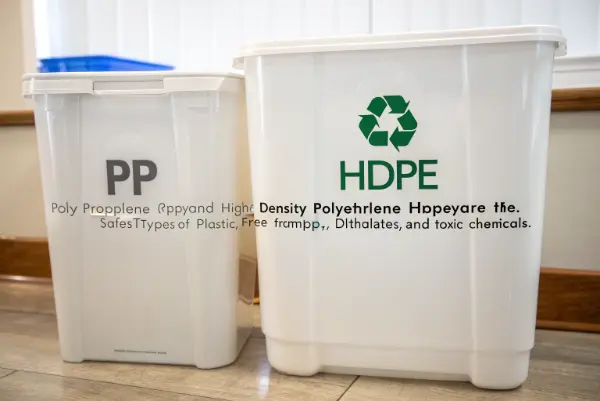
The safest plastics for most applications are Polypropylene (PP), High-Density Polyethylene (HDPE), and Low-Density Polyethylene (LDPE). These materials do not contain harmful chemicals like BPA or phthalates, making them safe for food contact and medical devices. On the other hand, PVC and Polycarbonate (PC) can release toxic substances under certain conditions. By understanding the resin identification codes, usually numbers 2, 4, and 5, you can easily select the most secure plastics for everyday use.

Let us dive straight into the facts about plastic toxicity. Knowing what to avoid is just as important as knowing what to use. I want to share my years of experience in mold design to make your material selection process much easier.

Which plastic is the most toxic?

Problem: You might be designing a great product, but using the wrong plastic can make it dangerous. Agitate: Some plastics leak hidden chemicals when they get warm or old. This puts your users at risk and destroys trust. Solution: Let us look at the worst offenders so you can keep them out of your designs.

Polyvinyl Chloride (PVC), known as recycling number 3, is widely considered the most toxic plastic. It contains dangerous additives like phthalates and lead to make it flexible and strong. During its making, using, and burning, PVC releases toxic chlorine chemicals into the air and water. Another plastic to watch out for is Polycarbonate (PC), which is number 7. PC can release Bisphenol A (BPA), a chemical that messes with human hormones.

Why PVC is a Bad Choice for Safe Products

When I started making molds years ago, PVC was everywhere. It is cheap and very tough. I soon learned it is bad news for health. PVC has a bad reputation for a good reason. It needs softeners to make it bend. These softeners are called phthalates. They do not stay inside the plastic. They leak out over time. When kids touch or chew on PVC toys, they take in these chemicals. This is a huge risk for any product designer.

The Hidden Dangers of Polycarbonate

Polycarbonate, or PC, is super clear and hard. It is great for making tough screens. PC has a dark side. It uses Bisphenol A (BPA) as a building block. When PC gets hot or old, BPA leaks out. This is very bad for food containers or water bottles. I always tell my clients to stay away from PC if the product touches food or water. Let us look at a simple table to compare these bad plastics.

Plastic Type Recycling Number Harmful Chemicals Main Dangers Common Bad Uses
Polyvinyl Chloride (PVC) 3 Phthalates, Lead, Dioxins Cancer risk, hormone problems Cheap toys, food wrap
Polycarbonate (PC) 7 (Other) Bisphenol A (BPA) Hormone problems, brain issues Old water bottles, cups
Polystyrene (PS) 6 Styrene Nervous system damage Foam cups, takeout boxes

As a designer, you have to think about the whole life of the product. From making it in the mold to the day it goes in the trash. Toxic plastics hurt people and the earth. Always check your material data sheets. If you see PVC or PC, ask yourself if you really need to use them. Most times, you can find a better, safer plastic that does the exact same job without the health risks.

Which type of plastic is the safest?

Problem: Finding a truly safe plastic feels like looking for a needle in a haystack. Agitate: With so many chemical names, you might worry you are making a bad choice for your customers. Solution: I will show you the exact plastics I trust for my own projects and why they are safe.

Polypropylene (PP), which is recycling number 5, is the safest type of plastic. It is very strong, handles heat well, and does not leak harmful chemicals. High-Density Polyethylene (HDPE), number 2, is another very safe choice used for milk jugs and toys. Both of these plastics are free from BPA, phthalates, and other toxic chemicals. They are widely approved for food and medical use all over the world.

safest plastic types

The Power of Polypropylene (PP)

I love working with Polypropylene. In the mold shop, PP flows nicely and makes a great product. More importantly, it is incredibly safe. Think about baby bottles and yogurt cups. They use PP because it can take hot water in a dishwasher without melting or leaking bad stuff. It does not have BPA. It is stable. If I have a client making a food box, I always point them to PP. It is simply the best choice for everyday items.

Why HDPE is a Close Second

High-Density Polyethylene is another hero in the plastic world. You see it every day. It makes milk jugs, shampoo bottles, and cutting boards. HDPE is stiff and strong. It blocks wetness very well. Bugs and rot do not bother it. Like PP, it does not leak chemicals into your food or drinks. It is very easy to recycle, too. This makes it safe for people and better for the earth.

Safe Plastic Recycling Number Best Features Safe Uses Heat Resistance
Polypropylene (PP) 5 Tough, takes heat well, no BPA Food boxes, baby items, medical gear High
High-Density Polyethylene (HDPE) 2 Stiff, blocks wetness, no BPA Milk jugs, tough toys, bottles Medium
Low-Density Polyethylene (LDPE) 4 Soft, bends easily, no BPA Squeeze bottles, clean bags Low

Making the Right Choice for Your Design

When you design a new product, you must think about what the user will do with it. Will they heat it? Will they eat out of it? If the answer is yes, you need a safe plastic. PP and HDPE give you peace of mind. They are also very easy to mold. The shrinkage rates are easy to predict. This means your parts will come out right the first time. You get a safe product and a smooth run in the factory. It is a win for everyone.

Is number 2, 4, or 5 plastic safe?

Problem: The numbers on the bottom of plastic items can be very confusing. Agitate: If you pick the wrong number, your product might fail health tests and ruin your hard work. Solution: Let us break down numbers 2, 4, and 5 so you can use them with total confidence.

Yes, plastics with recycling numbers 2, 4, and 5 are very safe. Number 2 is High-Density Polyethylene (HDPE), number 4 is Low-Density Polyethylene (LDPE), and number 5 is Polypropylene (PP). Health experts and doctors agree that these three plastics do not leak dangerous chemicals like BPA or phthalates into food or water. They are the top choices for making food boxes, water bottles, kids’ toys, and medical tools.

Understanding Number 2: HDPE

We talked a bit about HDPE already. It is the tough guy of the safe plastics. When you see a number 2 inside the little triangle, you can relax. I have designed many molds for HDPE parts. It shrinks a bit, but it is predictable. It is great for items that need to be dropped or thrown around without breaking. It keeps chemicals locked inside the plastic where they belong.

Understanding Number 4: LDPE

Number 4 is Low-Density Polyethylene. This is the soft, bendy cousin of HDPE. If you have ever squeezed a mustard bottle, you have used LDPE. It is very safe because it is simple. It does not need toxic softeners to make it bend. It is just naturally soft. It is perfect for flexible lids, clear wraps, and thin bags. It is a bit tricky in the mold because it can flash easily, but it is super safe for the user.

Understanding Number 5: PP

Number 5 is Polypropylene. As I said before, this is my favorite. It takes heat better than 2 or 4. You can put it in the microwave. It is amazing for products with living hinges, like snap-on lids.

Number Name Best For Mold Design Tip Safety Level
2 HDPE Stiff bottles, big toys Watch out for big shrink Very High
4 LDPE Squeeze bottles, soft lids Check your gate size Very High
5 PP Hot food boxes, hinges Great for living hinges Very High

Why These Three Are the Gold Standard

When I help companies set up mass production, we always try to stick to 2, 4, or 5. They are cheap to buy. They are easy to mold. They keep the final user safe. There is no guessing game with the FDA or health boards. If your product is going near mouths, skin, or food, just pick 2, 4, or 5. Your life as a designer will be much easier, and your boss will be happy.

How do you test for plastic toxicity?

Problem: Claiming your plastic is safe is easy, but proving it is hard. Agitate: If you skip testing, hidden toxins might slip through, causing a massive disaster for your company. Solution: I will explain the common ways we test plastics so you can guarantee your products are 100% safe.

You test for plastic toxicity using lab tests like Gas Chromatography-Mass Spectrometry (GC-MS) and leaching tests. These tests check if harmful chemicals like heavy metals, BPA, or phthalates come out of the plastic. Scientists put the plastic in different liquids and heat it up to see what leaks out over time. Products must pass strict rules, like FDA standards in America or REACH in Europe, before they can be sold to people.

The Basics of Leaching Tests

Leaching tests are the most common way to check plastic. Imagine you pour hot soup into a plastic bowl. The heat and the soup can pull chemicals out of the bowl. Labs do this exact thing to test the plastic. They use fake food or fake spit. They make the plastic hot. Then they check the liquid to see if any bad stuff came out. If the liquid is clean, the plastic passes the test. This proves it is safe for daily use.

Advanced Machine Testing

Sometimes, we need to know exactly what is inside the plastic piece. Labs use a big machine called GC-MS. This stands for Gas Chromatography-Mass Spectrometry. It breaks the plastic down and looks at every tiny part. It can find even one drop of poison in a huge pool of plastic. When I used to run a trading company, we needed these lab reports before we shipped any baby toys.

Test Type What It Does Why We Use It Standard Rules
Leaching Test Checks what leaks out into food or water To prove food safety FDA, LFGB
GC-MS Test Finds exact chemicals inside the plastic To find hidden toxins like BPA REACH, RoHS
Heavy Metal Test Looks for Lead, Cadmium, Mercury To protect kids from brain harm EN71, ASTM

Working with Testing Labs

As a designer, you do not run these tests yourself. You send parts to places like SGS or Intertek. You must design the part with testing in mind. Always ask your material supplier for a test report before you buy the plastic pellets. Do not just trust their word. If the raw material fails, your final part will fail too. Testing costs money, but a recall costs a lot more. It is always better to be safe from the start.

Conclusion

Choosing the right plastic is critical for product safety and your brand. PVC and PC can be toxic, so try to avoid them. Stick to numbers 2, 4, and 5 like HDPE, LDPE, and PP for the safest results. Always test your materials properly to ensure no hidden chemicals leak out. Keep your designs safe and your customers happy!

Facebook
Twitter
LinkedIn

Request A Quote for Your Projects!

Hi there! I’m Jerry, a proud dad and passionate at CKMOLD. With years of hands-on experience in the injection mold and CNC industry, I’ve grown from managing the smallest details on the shop floor to leading international projects with clients across Europe and the U.S.

At CKMOLD, we specialize in precision molds, plastic parts, and CNC solutions that help bring bold product ideas to life. I love solving complex challenges, building long-term partnerships, and pushing the limits of what great manufacturing can do.

Let’s connect, exchange ideas, and grow together—whether you’re looking for a reliable manufacturing partner or just want to talk shop!

Start with the Project Basics

Use this short form for a general inquiry. For a quotation, complete the full RFQ and email any 3D/CAD files separately to jerry@ckmold.com.

Wait, We Have Something Special for You!

Join our mailing list and receive a 10% discount on your next mold or CNC project.