
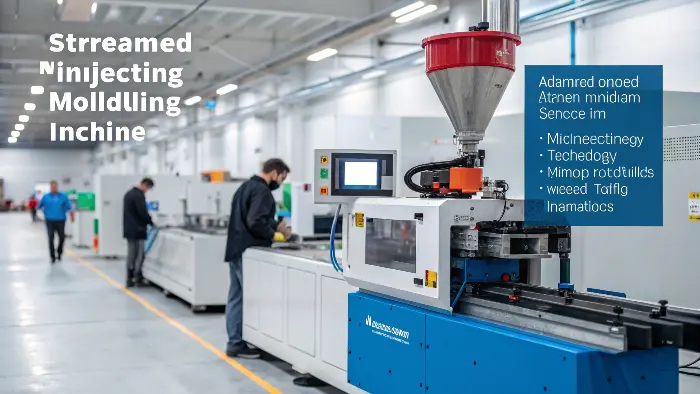
Tired of your injection molding process wasting resources and extra plastic? It’s a big problem that’s bad for the environment and your bottom line. But what if smart design decisions could reduce that waste and make your operations more sustainable?
Waste reduction starts before the first molding cycle. Part geometry, runner design, gate, cavity count, hot runner choice, cooling, process stability, regrind policy, maintenance and scrap handling all influence the material and energy used to make an acceptable part. A lower-waste mold is not simply one with a smaller runner; it is one that produces the right part consistently.
Related CKMOLD resources: mold design services, multi-cavity molds, production injection molding.
To reduce waste, injection molds can be designed with optimized runner systems like hot runners that store molten plastic and minimize scrap. Proper gate design and location also reduces material loss. Molding the mold with long life materials also extends the life of the mold and reduces mold replacement waste. And designing for material flow and part ejection eliminates defects that result in scrap parts.

Does injection molding create waste?
It’s sad to see plastic waste mountains isn’t it? You wonder if injection molding, as efficient as it is, must create a ton of waste. The reality is, if you don’t plan ahead, yes it does, and it hurts your bottom line and the environment too.
Yes, injection molding can create waste in one way or another. Sources are sprues and runners on cold runner systems, defective parts due to design or process irregularities, material degradation due to mishandling, and overproduction. But much of the waste can be eliminated or minimized in bulk through good design and process engineering.

Sources of Waste in Injection Molding
| Waste Source | Description | Impact |
|---|---|---|
| Sprues & Runners | In cold runner systems, these channels deliver molten plastic to the mold cavities but solidify with the part. | Material scrap, requires regrinding or disposal. |
| Defective Parts | Parts that don’t meet quality standards due to warpage, sink marks, short shots, flash, etc. | Material loss, wasted machine time, energy. |
| Material Purging | Cleaning out the barrel of the injection molding machine between material changes or colors. | Significant material scrap. |
| Overproduction | Producing more parts than needed due to poor forecasting or minimum batch sizes. | Unused inventory, potential obsolescence. |
| Mold Wear/Damage | An old or damaged mold can produce faulty parts, leading to increased scrap. | Increased defects, material waste. |
| Setup Scrap | Parts produced during the initial setup and calibration of the molding machine and mold. | Necessary but can be minimized. |
Design the Mold Around Accepted Output, Not Plastic Mass Alone
Waste is the mass and resources that do not become accepted product: cold-runner/sprue material, purge and changeover, rejected parts, trial material, excess packaging, energy/cooling and premature tool-component replacement. Start with the approved part function and annual demand, then select cavities, runner/gate, cooling, venting, ejection and maintenance access.
Use a mass balance for each cycle: accepted-part mass, recoverable in-process material where permitted, nonrecoverable process material and rejects. Pair it with accepted parts per hour so a lighter runner does not hide a slower or less capable process.

How Mold Architecture Changes Waste
A cold runner may create recyclable or nonrecoverable runner mass; a hot runner can reduce that mass but adds controls, residence, maintenance and startup considerations. Multi-cavity tooling can increase output per cycle, but it does not automatically reduce waste: imbalance, disabled cavities or inconsistent cooling can increase rejects. In closure projects, threads, hinges and tamper-evident bands can limit lightweighting; review the plastic-cap mold design guide before changing those features.
Gate vestige, venting, ejection, cooling and dimensional capability affect first-pass yield. Evaluate alternatives with the exact resin, approved regrind policy, colour/changeover plan, cavity balance and maintenance capability.
Reduce Waste in the Order It Is Created
- Prevent excess part mass: validate wall/rib/boss geometry against function; see the wall-thickness decision guide. For aggressive lightweighting, also review the thin-wall machine and tooling requirements.
- Minimise runner and startup loss: compare cold/hot runner options, purge and colour-change implications.
- Improve first-pass yield: correct gate, venting, cooling and ejection causes, then hold a capable process window.
- Control regrind: use only when the exact material, product requirements and supplier/customer rules permit it; define segregation, contamination and traceability.
- Maintain the tool: track cavity-specific defects, leaks, vents, gates, heaters and wear before they create sustained scrap.
Record kilograms per accepted part, reject reason by cavity, startup/changeover loss and accepted parts per hour. A percentage without the denominator and product mix is not actionable.

Key Tips for Reducing Material Waste when injection moulds are designed
Tips to Reduce Material Waste in Injection Mold Design
Reducing material waste in injection mold design is key to efficiency and cost savings in injection molding.
1. Optimize Part Shape:
Design parts with uniform wall thickness to get consistent material flow and minimize excess. Avoid thick sections that cause overpacking or sink marks.
Simplify geometries to reduce material volume without losing strength.
2. Use Efficient Runners:
Use hot runners to eliminate cold runner waste, they keep the material molten and reusable.
For cold runners, design thin, short runners to minimize sprue and runner material.
3. Multi-Cavity Molds:
Use multi-cavity molds to make multiple parts per cycle, reduce material waste in runners and sprues per part.
Balance cavity layouts to get even material distribution.
4. Use Simulation Software:
Use mold flow analysis to simulate material flow, find overfill areas and optimize gate placement, reduce trial-and-error waste.
Predict and adjust for shrinkage to avoid material waste.
5. Choose the Right Gate:
Choose gate types (e.g. edge or pinpoint gates) that minimize material use while getting proper filling.
Place gates to reduce runner length and waste.
These are some key tips for reducing material waste when injection moulds are designed
Assess Sustainability With Product- and Stream-Specific Evidence
Material recyclability is not the same as actual collection, sortation and reprocessing. Colour, labels, additives, fillers, multilayer/overmold structures, contamination and the local recovery system affect the outcome. APR publishes application-specific design/testing resources, including PET container guidance and PP article testing; use the resource matching the actual package or product.
Compare functional unit, material mass, accepted yield, energy/utilities, tool life/maintenance, transport and end-of-life route. Do not claim that one runner or resin choice makes every product sustainable.

Reduce Unnecessary Plastic in the Part
Uniform walls, coring, rib optimization, appropriate bosses and integrated features can reduce part mass while preserving function. Removing material without reviewing stiffness, sink, flow, assembly and end-use load can increase scrap or failure, so lightweighting must be validated.
Optimize Runner, Gate and Cavity Balance
Cold runners become solid waste unless they are reused under an approved policy. Balanced runners, suitable gate sizes, family-cavity decisions and cavity identification help reduce short shots, overpacking and cavity-specific scrap. A hot runner may reduce runner waste when volume and service requirements justify it.
Design Cooling for Stable First-Pass Quality
Cooling imbalance creates warpage, sink, dimensional drift and rework. Efficient circuits can shorten cycle and reduce the number of rejected parts. Cooling should be accessible for cleaning because a blocked circuit turns a low-waste design into a high-scrap process over time.
Prevent Waste From Changeover and Maintenance
Color sequencing, purge planning, material drying, cavity inserts, spare parts, vent cleaning and preventive maintenance reduce start-up scrap and unplanned correction. A repairable mold can avoid replacing a large tool or discarding a design that still has useful life.
Measure Waste Across the Lifecycle
Track runner, start-up, process scrap, cavity scrap, rework, purge, maintenance downtime and rejected assemblies. Compare the material or energy saving from a design choice with the extra complexity, maintenance and quality risk it creates.
Design Injection Molds to Minimize Material and Production Waste: Buyer Review Checklist
- Review part mass, wall thickness, ribs, bosses, flow and function before removing material.
- Optimize runner, gate, cavity balance and hot-runner use based on volume and maintenance.
- Design cooling for stable dimensions, shorter cycle and lower first-pass scrap.
- Plan color changeover, drying, vent cleaning, spare inserts and preventive maintenance.
- Measure total lifecycle waste, including purge, rework, downtime and rejected assemblies.
FAQ
Does a hot runner generally reduce molding waste?
It can reduce cold-runner scrap, but system cost, maintenance, resin sensitivity, purging and the actual production volume must be considered.
Can regrind eliminate injection molding waste?
Regrind may be usable under a controlled material policy, but it can affect properties, appearance, contamination risk and compliance.
Conclusion
A low-waste mold produces the required function at stable first-pass yield with controlled runner, startup, maintenance and end-of-life assumptions. Ask the supplier for the mass balance, cavity/yield evidence, maintenance plan and the assumptions behind every claimed saving.