
MANUFACTURING
Deep-Cavity Part Scratches: An Illustrative Diagnostic Method
Diagnose scratches on deep-cavity molded parts by mapping contact, checking draft and finish, isolating ejection load, then validating mold or process changes.

Diagnose scratches on deep-cavity molded parts by mapping contact, checking draft and finish, isolating ejection load, then validating mold or process changes.

A preventive mold-maintenance protocol for scratch prevention covering cleaning, handling, storage, polishing, ejection, corrosion and records.
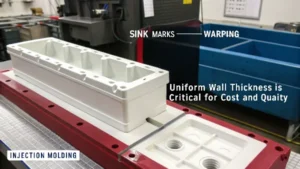
Reduce molded-part cost through geometry, material, cavities, cycle, tooling, yield, secondary operations, inspection and total-cost engineering.
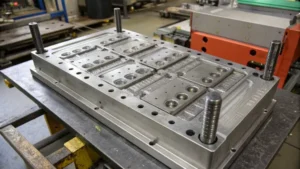
A practical thin-wall injection molding guide covering flow ratio, gates, machine response, venting, mold stiffness, cooling, ejection and validation.
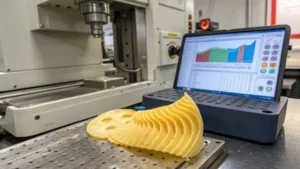
Learn how to use injection mold flow analysis during product design to evaluate gates, walls, weld lines, pressure, cooling, shrinkage and warpage.
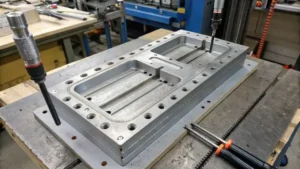
Learn how to choose a parting line that protects appearance, draft, shutoffs, ejection, slides, tolerances, tool cost and production maintenance.

Learn how to balance automotive plastic-part performance, cost and appearance through material, geometry, surface, tooling, process and validation decisions.
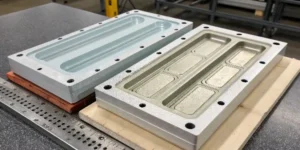
A practical design guide for overmolding and multi-material parts covering substrate, bonding, locks, shrinkage, gates, tooling, materials and validation.
Build a plastic-part prototyping plan using 3D printing, CNC, soft tooling, rapid tooling and production molds at the right development stage.
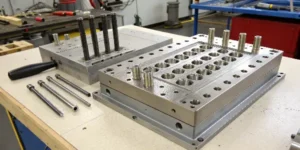
Diagnose ejector-pin marks on automotive molded parts by mapping defects, checking release force, cooling, packing, draft and the ejection support system.
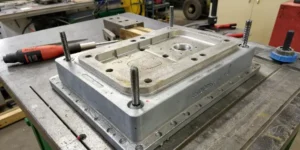
Understand how resin shrinkage, stiffness, filler, friction, crystallinity, moisture and temperature change ejector force and pin-mark risk.
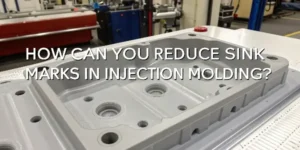
Diagnose ejector pin marks by mapping cavity location, release load, cooling, packing, pin support, timing, surface condition and part handling before correction.

Learn how ejector layout, stripper plates, sleeves, lifters, sequential ejection, sensors and release design reduce pin marks and distortion.
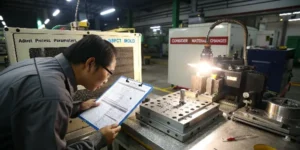
Diagnose ejector-pin marks by separating ejection force, part rigidity, pin layout, cooling, draft, packing, wear and processing causes.
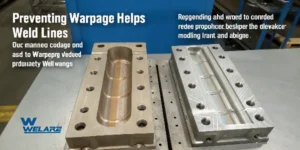
A practical hierarchy for eliminating or reducing weld lines through geometry, gate strategy, material, temperature, venting, flow and validation.