Injection Molding
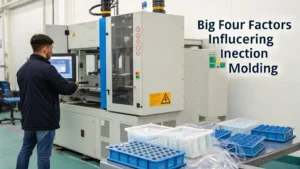
How Injection Molding Parameters Affect Warpage and Deformation
Understand how melt temperature, mold temperature, speed, pressure, holding and cooling affect injection molded part deformation and warpage.

Understand how melt temperature, mold temperature, speed, pressure, holding and cooling affect injection molded part deformation and warpage.
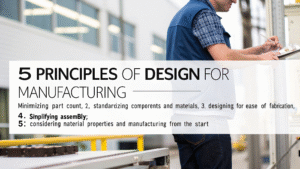
Learn how DFM prevents injection molded part deformation through wall thickness, ribs, gates, material flow, draft, cooling and tolerance decisions.
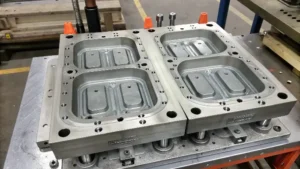
Plan an injection mold build from product baseline and DFM through mold design, machining, T1 evidence and buyer approval gates.
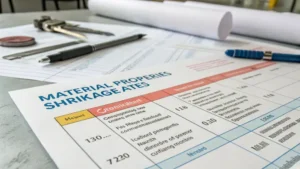
Learn how resin family, filler, shrinkage, moisture, grade and processing behavior affect injection molded part deformation and warpage.
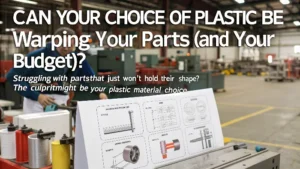
Diagnose plastic part deformation by separating material shrinkage, cooling imbalance, residual stress, ejection, tooling and assembly causes.
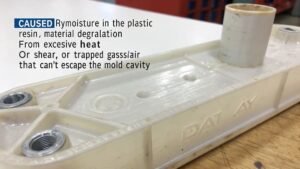
Diagnose high-pressure injection molding problems by separating fill resistance, packing demand, venting, clamp force, material condition and measurement evidence.
Understand the cost of food-grade plastic molding, including resin, documentation, mold hygiene, validation, testing, packaging and production controls.
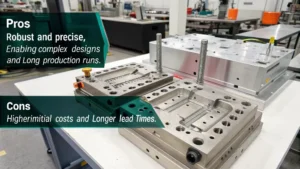
Review 10 practical benefits of high-pressure injection molding for precision parts, from thin-wall filling and repeatability to automation and scale.
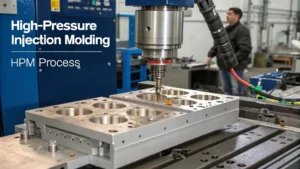
Compare high-pressure and low-pressure molding by part geometry, substrate protection, fill behavior, tooling, materials, output and application risk.
Learn how polycarbonate is injection molded, including drying, melt temperature, gates, vents, stress control, transparency and tool design.

Use injection molding to consolidate parts and reduce assembly by comparing function, tooling actions, tolerance, serviceability, validation and lifecycle cost.
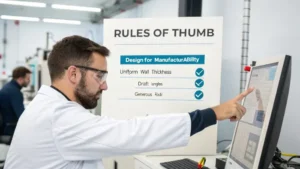
Select a plastic mold supplier using technical and commercial due diligence covering engineering, equipment, quality evidence, trials, ownership and lifecycle support.

Learn how to evaluate major plastic mold markets by engineering capability, tooling quality, lead time, cost, export support and supply risk.
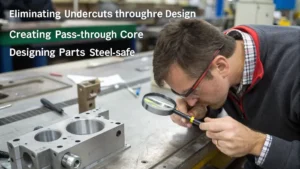
Prioritize injection molding DFM work by expected rework, quality, cycle, material and launch risk instead of treating every design comment as equally urgent.
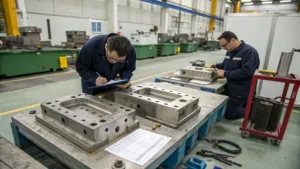
A practical glass-filled nylon injection molding guide covering fiber orientation, drying, shrinkage, wear, gates, cooling, warpage and inspection.

Control mold design-to-manufacturing handoff with released assemblies, component drawings, BOM, steel, datums, tolerances, interfaces, revisions and reviews.

Plastic moulding explained in plain engineering terms, including injection molding, compression, blow molding, thermoforming, materials and quality control.

Compare multi-cavity, family and separate molds by demand, process balance, inspection, downtime and revision risk before choosing a tooling architecture.

Understand the injection unit, clamping unit, controls, mold interface and auxiliaries that determine injection molding machine performance.

Learn how to choose mold cavity count using demand, cycle time, machine limits, tooling cost, quality risk and future production requirements.