
Material
Advanced ABS Injection Molding Parameters for Stable Parts
Optimize ABS injection molding parameters for stable parts, including drying, melt temperature, mold temperature, packing, cooling and defect prevention.

Optimize ABS injection molding parameters for stable parts, including drying, melt temperature, mold temperature, packing, cooling and defect prevention.

Compare ABS grades for injection molding and learn how to select material based on impact, heat resistance, flow, plating, flame rating and surface finish.
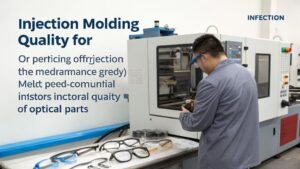
How CKMOLD supports optical-grade acrylic injection molded parts through DFM, mold polishing, gate strategy, drying control and inspection.
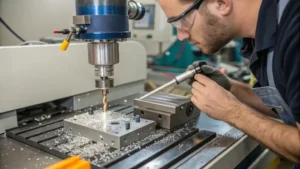
Follow the PMMA precision injection molding process from resin drying and mold preparation to filling, packing, cooling, inspection and defect control.
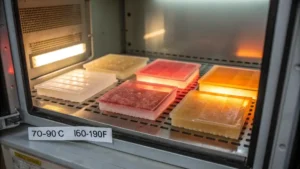
Key acrylic technical specifications for engineers, including optical, thermal, mechanical, moisture and molding considerations for plastic parts.
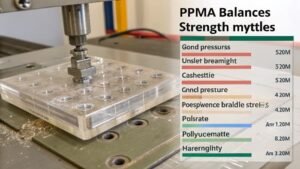
Review PMMA material properties for clear injection molded parts, including optical clarity, stiffness, weatherability, stress risk and design limits.
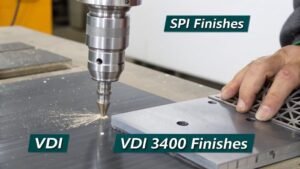
How CKMOLD achieves optical-grade PMMA surface finish through steel polishing, gate strategy, cleanliness, process control and inspection.
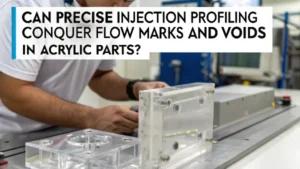
Improve PMMA clarity and dimensional stability with better drying, mold temperature control, polishing, gate design and stress management.
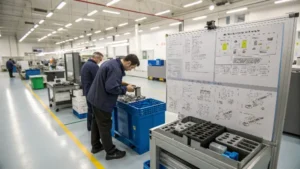
A practical guide to PMMA injection molding for clear parts, covering drying, mold polish, gate design, stress control and defect prevention.

Understand how micron-level precision in injection molded parts depends on mold steel accuracy, thermal control, measurement and process stability.

Plan precision injection molding tolerances around function, datums, conditioning, sampling, process capability and steel-safe correction.
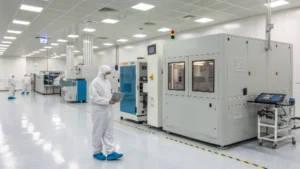
Explore key challenges in medical device injection molding, including material control, tolerances, documentation, cleanliness and validation planning.

Learn quality assurance practices for precision injection molded components, including inspection planning, process records and mold validation.
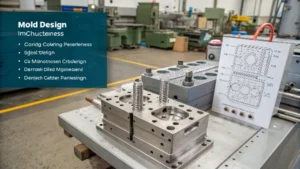
Use T1 measurement, resin, process and cavity evidence to plan steel-safe shrinkage corrections without applying one unsupported scale factor.

Practical ways to reduce the environmental footprint of injection molding through material choice, scrap reduction, energy control and tool design.
Understand where traditional injection molding reaches its limits and how DFM, rapid tooling, automation and advanced mold design improve results.

How CKMOLD controls shrinkage compensation for high-precision molds through DFM, material review, steel-safe design, trials and measurement feedback.

Best practices for validating injection molding shrinkage calculations with real measurements, sample conditioning and structured trial reports.

Explore how packing, mold temperature, melt temperature, cooling time and injection speed affect injection mold shrinkage and dimensional control.

Troubleshoot injection mold shrinkage when calculated values do not match real parts, using process data, measurement control and tool review.