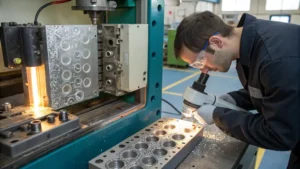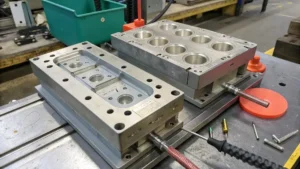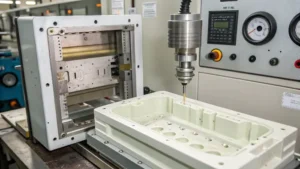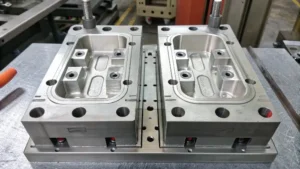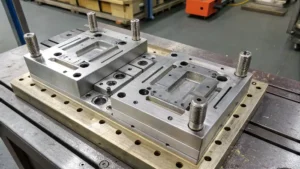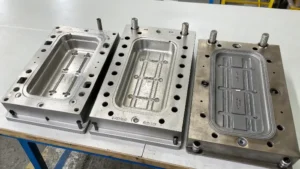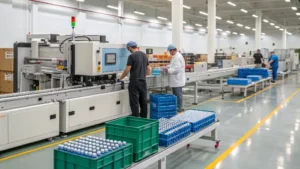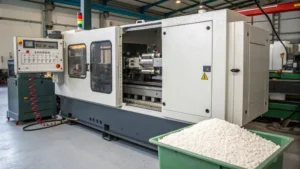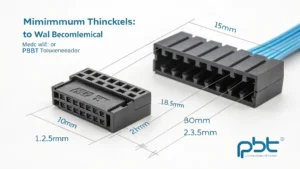
How Product Design Should Interact With an Injection Mold
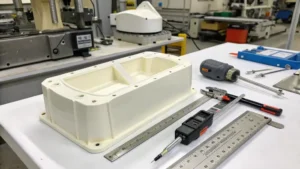
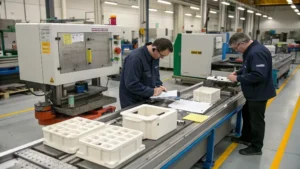
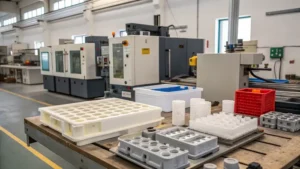
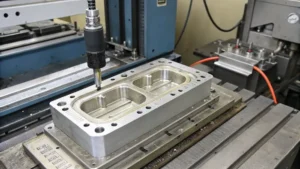
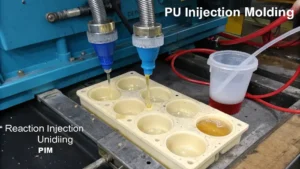
Learn how product design and injection mold design interact through function, draft, wall thickness, gates, cooling, ejection, tolerances and revisions.

Learn how product design and injection mold design interact through function, draft, wall thickness, gates, cooling, ejection, tolerances and revisions.

Diagnose insufficient filling and short shots through material, temperature, pressure, speed, gate, runner, venting, machine and part-design checks.

Understand seven essential injection mold component groups: base, core/cavity, feed system, cooling, vents, ejection and side actions.

Understand how injection molded wall thickness changes flow, packing, cooling, shrinkage, orientation and dimensional variation—and how to diagnose each mechanism.

Use a practical triage method for injection molding problems by classifying defects, confirming evidence, checking variables and selecting controlled tests.

Calculate slider forces by considering cavity pressure, projected area, friction, locking, angle-pin geometry, wear and practical safety margin.

A production guide to thin-wall injection molding covering flow length, gate design, machine response, mold stiffness, cooling, material and quality.

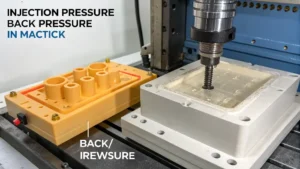
Understand injection pressure, pressure limits, cavity pressure, packing, machine settings, material flow and how to diagnose pressure-related defects.

Use a structured root-cause method for injection mold defects by separating material, machine, mold, process, measurement and handling causes.

Understand how part contact with the core and cavity affects cooling, shrinkage, release, ejection, vacuum, texture, air and molded-part deformation.

Learn how metal and plastic insert molding combines structural, electrical, sealing and assembly functions through insert design, retention, thermal control and validation.

Compare insert molding with separate assembly by tooling, labor, components, quality, automation, volume, cycle, scrap and lifecycle cost.

Learn how to source custom injection molded parts in China by defining the RFQ, supplier capability, tooling, quality, logistics and total project risk.

Understand what 180-ton means for a PET preform molding machine, including clamp force, injection unit, hot runner, drying, cooling, mold and output limits.

Understand an injection mold as connected feed, forming, venting, cooling, guidance, side-action and ejection systems—and review the interfaces that control quality.

Choose an injection molding machine by shot size, clamp force, injection rate, pressure, tie-bar spacing, mold weight, control and auxiliary capability.

Diagnose and prevent flow lines in injection molding through gate placement, fill speed, temperature, wall transitions, venting, cooling and material control.

Reduce injection molding waste through part design, runner and gate choices, hot runners, cavity balance, process stability, maintenance and lifecycle planning.

Understand precision molding services through functional tolerances, material behavior, mold accuracy, process capability, inspection and supplier evidence.

Validate insert molding through insert identity, retention, loading, sensing, sealing, preheat, flow loading, bond requirements, ejection and traceable trials.
Use this short form for a general inquiry. For a quotation, complete the full RFQ and email any 3D/CAD files separately to jerry@ckmold.com.
Join our mailing list and receive a 10% discount on your next mold or CNC project.