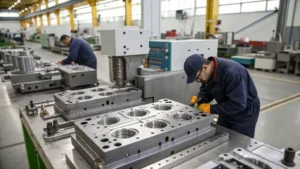
Design
Stack Molds vs. Multi-Cavity Molds: How to Increase Production Output
Compare stack molds and multi-cavity molds by output, machine requirements, balance, cycle, tooling complexity, maintenance and production economics.

Compare stack molds and multi-cavity molds by output, machine requirements, balance, cycle, tooling complexity, maintenance and production economics.

Learn how CAD/CAM, mold-flow, CAM toolpaths, 3D machining, EDM, inspection and revision control support injection mold design and manufacturing.

Compare design-for-manufacturing rules for injection molding and CNC machining, including walls, draft, undercuts, tolerances, access, fixtures and cost.
Learn how to design injection molds for food-contact plastic parts with attention to cleanability, steel, polish, venting, cooling, ejection and traceability.
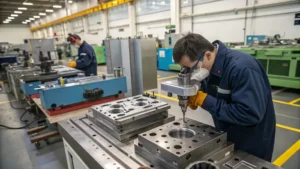
Compare P20, H13 and S136 mold steel by wear, corrosion, polish, heat exposure, production volume, maintenance and total tooling cost.
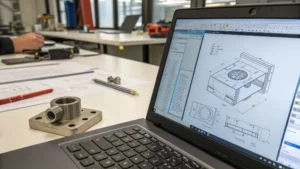
Compare CAD and FEA for injection molded product development, including geometry, simulation, loads, assumptions, DFM, validation and handoff.
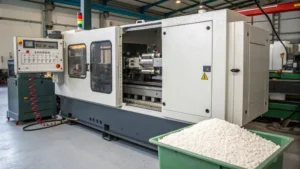
Understand seven essential injection mold component groups: base, core/cavity, feed system, cooling, vents, ejection and side actions.
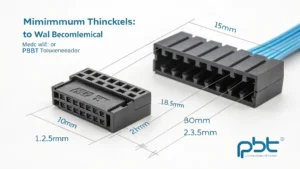
Understand how injection molded wall thickness changes flow, packing, cooling, shrinkage, orientation and dimensional variation—and how to diagnose each mechanism.

A technical plastic cap mold guide covering threads, tamper bands, hinges, sealing, cavity balance, hot runners, appearance and production validation.
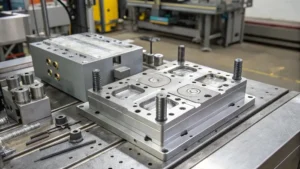
Learn injection mold design basics, including draft, wall thickness, parting line, gates, runners, cooling, vents, ejection and product handoff.
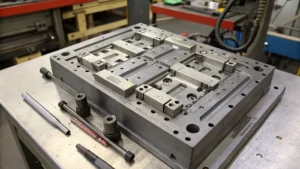
Learn how injection mold sliders create side actions for undercuts, including types, movement, locking, wear, lubrication, cooling and maintenance.
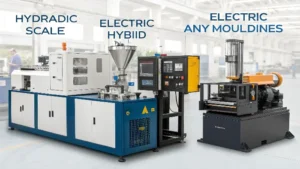
Choose an injection molding machine by shot size, clamp force, injection rate, pressure, tie-bar spacing, mold weight, control and auxiliary capability.
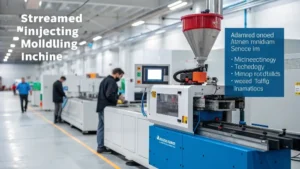
Reduce injection molding waste through part design, runner and gate choices, hot runners, cavity balance, process stability, maintenance and lifecycle planning.
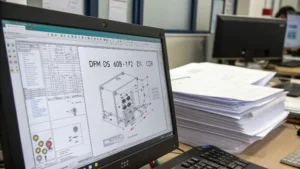
Learn how sheet metal DFM improves insert molded hardware through flat patterns, bends, holes, burrs, tolerances, locating features and encapsulation.
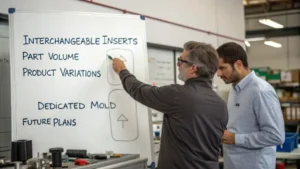
Learn how interchangeable core and cavity inserts improve mold flexibility, product variants, wear replacement, correction speed, alignment and maintenance.
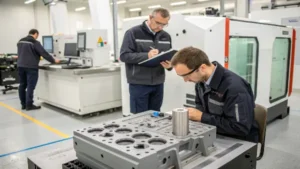
Learn how to engineer injection molds for cycle efficiency and part quality through DFM, balanced flow, cooling, ejection, automation and validation.
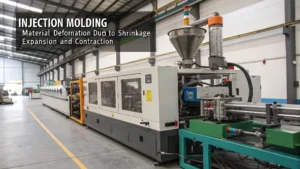
Learn how injection molding simulation predicts fill, packing, cooling and warpage, and how to use results responsibly in mold and part decisions.
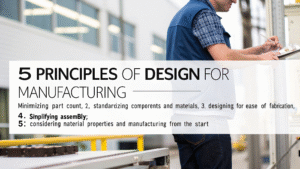
Learn how DFM prevents injection molded part deformation through wall thickness, ribs, gates, material flow, draft, cooling and tolerance decisions.
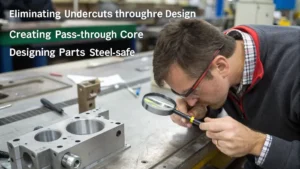
Prioritize injection molding DFM work by expected rework, quality, cycle, material and launch risk instead of treating every design comment as equally urgent.

Control mold design-to-manufacturing handoff with released assemblies, component drawings, BOM, steel, datums, tolerances, interfaces, revisions and reviews.