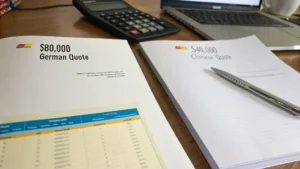
Price Evaluation
German-Made Mold vs. China Sourcing: How to Compare Total Cost
Compare German-made molds with China sourcing using total cost, engineering, quality, lead time, logistics, ownership and production risk.

Compare German-made molds with China sourcing using total cost, engineering, quality, lead time, logistics, ownership and production risk.
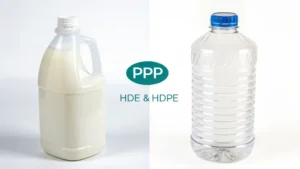
Compare HDPE and PP for food containers by stiffness, impact, heat, chemical resistance, sealing, shrinkage, appearance and molding requirements.
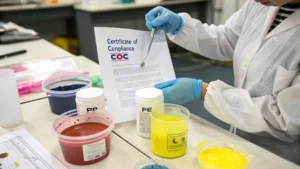
A practical guide to selecting plastics for baby products using contact, bite, impact, heat, cleaning, odor, compliance and product validation requirements.
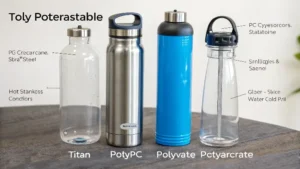
Compare Tritan copolyester and polycarbonate for reusable water bottles by clarity, impact, heat, chemical exposure, molding, durability and compliance needs.
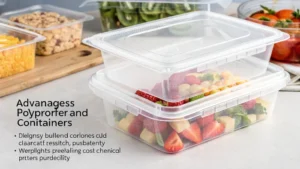
Learn why polypropylene is widely considered for microwavable food containers and how heat, hinges, sealing, warpage, food contact and molding affect performance.
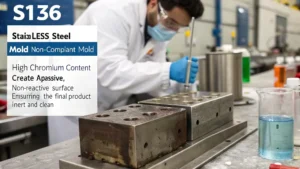
Understand why S136 stainless mold steel is considered for food-contact tooling, including corrosion, polish, wear, limitations and maintenance.
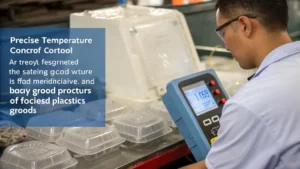
Learn how to design injection molds for food-contact plastic parts with attention to cleanability, steel, polish, venting, cooling, ejection and traceability.
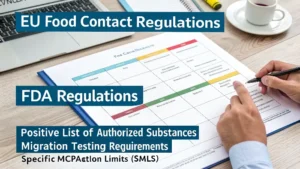
A practical food-contact manufacturing guide covering resin documentation, mold hygiene, process control, traceability, testing and supplier evidence.
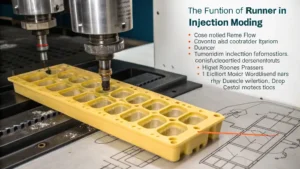
Learn what a mold runner does, how cold and hot runners differ, and how runner design affects pressure, balance, scrap, cycle and quality.
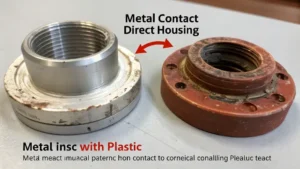
Understand why steel and plastic require different manufacturing routes, including melting temperature, viscosity, tooling, shrinkage and production economics.
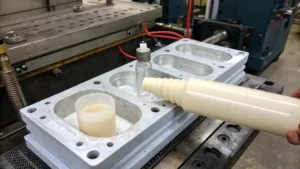
Learn how plastic molding works from material selection and tool design through filling, cooling, ejection, inspection and production control.
Learn when mold flow analysis pays back by reducing tooling changes, trial iterations, material waste, machine risk and production defects.
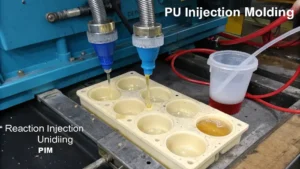
A practical TPU injection molding guide covering hardness, drying, melt temperature, mold design, gate choice, ejection, appearance and validation.
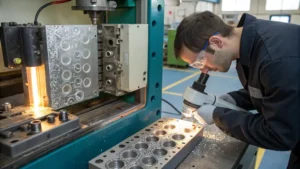
Diagnose bubbles, voids and gas marks in injection molded parts by separating moisture, trapped air, shrinkage voids, degradation and process causes.
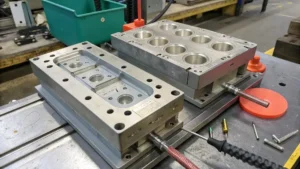
Follow every stage of an injection molding cycle, including clamping, plasticizing, filling, packing, cooling, mold opening and ejection.
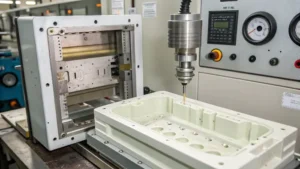
Learn the difference between injection, holding, back, cavity and clamp pressure, and how each pressure affects injection molding quality.
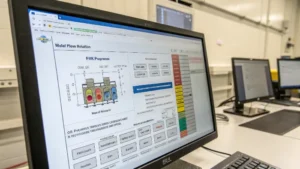
Validate mold flow simulation against T1 short shots, pressure, cavity balance, weld lines, temperatures and warpage, then update assumptions and tooling actions.
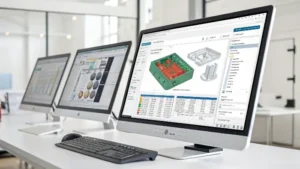
Read a mold flow analysis report by checking inputs, mesh, fill, pressure, weld lines, air traps, packing, cooling and warpage before accepting conclusions.
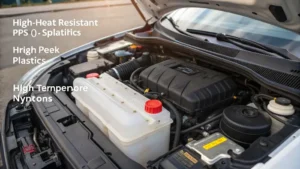
Learn how to select high-heat injection molding plastics for automotive and industrial parts using temperature, load, chemical, dimensional and processing requirements.
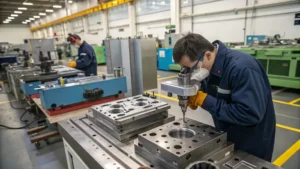
Compare P20, H13 and S136 mold steel by wear, corrosion, polish, heat exposure, production volume, maintenance and total tooling cost.