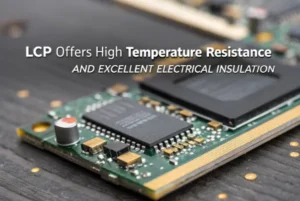
Material
High-Performance Plastics for Injection Molding
Select high-performance injection plastics by service temperature, chemicals, wear, dimensional stability, flame, electrical needs, processing and total cost.

Select high-performance injection plastics by service temperature, chemicals, wear, dimensional stability, flame, electrical needs, processing and total cost.
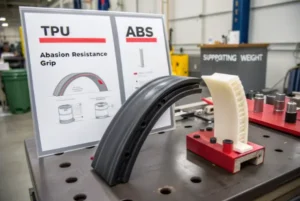
Compare ABS, PC, PLA, nylon and TPU for injection-molded parts by stiffness, impact, heat, chemicals, moisture, shrinkage, finish and processing risk.
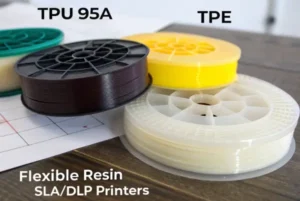
Choose thermoset rubber or TPU by sealing, compression set, heat, abrasion, chemicals, geometry, tooling, production volume and lifecycle needs.
Compare TPU, the wider TPE family and TPC elastomers by abrasion, compression set, heat, chemicals, overmolding, processing and cost.

Compare PLA, PBS, PHB and starch-based plastics by feedstock, properties, molding behavior, durability, composting evidence and supply risk.

Compare PLA and PHA by stiffness, toughness, heat, moisture, injection molding, cost and verified composting or biodegradation conditions.
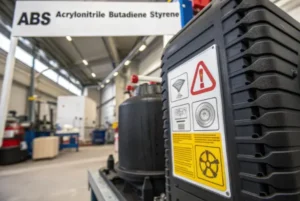
Compare ABS, PLA and PETG for 3D printing by heat, impact, moisture, fumes, ventilation, print behavior, durability and end-use validation.
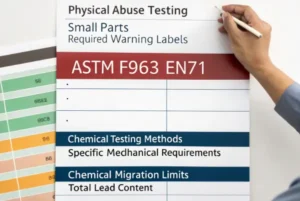
Compare EN 71, ASTM F963 and ISO 8124 for ABS toys by market, scope, mechanical and chemical hazards, testing and certification workflow.
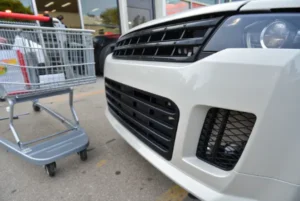
Use impact-modified ABS effectively by balancing low-temperature toughness, stiffness, heat, surface, weld lines, molding and vehicle-level validation.
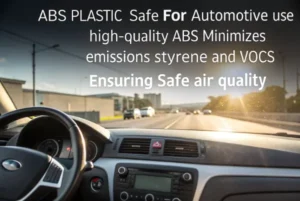
Validate ABS automotive interior parts for flammability, heat, impact, VOC, odor, fogging, UV, chemical exposure and OEM requirements.
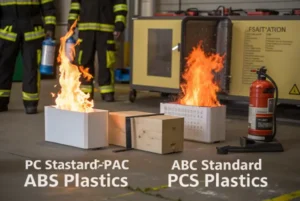
Compare ABS and PC/ABS for electronics by heat, impact, flammability, appearance, chemical resistance, molding, cost and product validation.
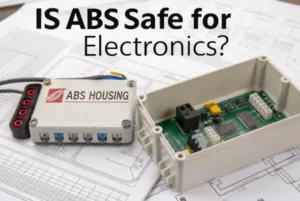
Design ABS electronics enclosures with grade- and thickness-specific flammability evidence, thermal risk analysis, molding control and product testing.
Develop safe, stable ABS molding parameters using supplier data, drying, melt and mold temperature, residence time, pressure, venting and validation.
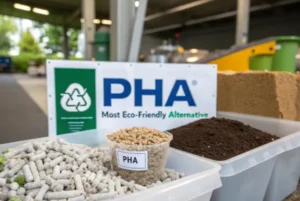
Compare recycled ABS, ASA, PC/ABS, PP, PLA and other alternatives by performance, processing, lifecycle evidence, safety and product fit.
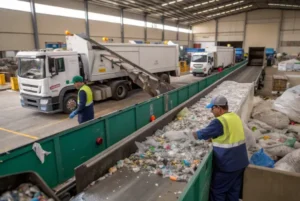
Compare ABS recycling methods and learn how sorting, washing, melt filtration, compounding, validation and transparent claims affect recovered quality.
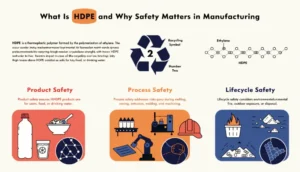
Assess HDPE safety through exact grade, processing hazards, machine guarding, product exposure, food-contact status, aging and production controls.
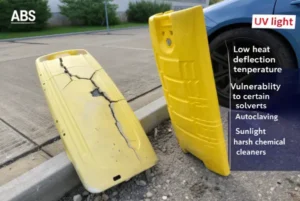
Evaluate UV-resistant ABS for outdoor parts through weathering mechanisms, grade selection, pigmentation, accelerated testing and property retention.
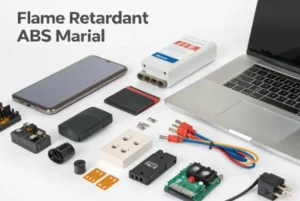
Specify flame-retardant ABS by exact grade, thickness, flammability rating, enclosure design, molding controls and finished-product testing.
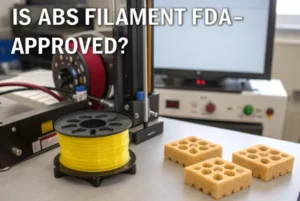
Assess ABS for food-contact applications by exact formulation, regulatory status, conditions of use, migration, cleaning and manufacturing controls.
Evaluate ABS for medical devices through final-device contact, exact grade, biocompatibility, sterilization, chemical resistance and process controls.