Design
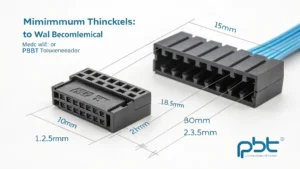
How Wall Thickness Drives Flow, Shrinkage and Dimensional Variation
Understand how injection molded wall thickness changes flow, packing, cooling, shrinkage, orientation and dimensional variation—and how to diagnose each mechanism.

Understand how injection molded wall thickness changes flow, packing, cooling, shrinkage, orientation and dimensional variation—and how to diagnose each mechanism.
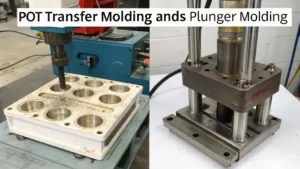
Understand transfer molding, its sequence, materials, mold components, advantages, limitations and comparison with compression and injection molding.
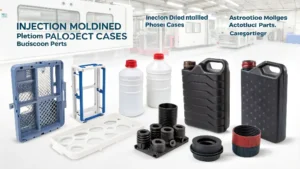
Learn what PC plastic molding is, where polycarbonate fits, and how its impact, heat, transparency, design, drying and process requirements affect projects.

A technical plastic cap mold guide covering threads, tamper bands, hinges, sealing, cavity balance, hot runners, appearance and production validation.
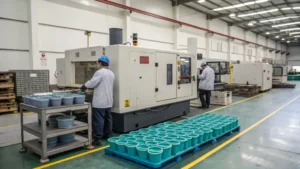
Use a practical triage method for injection molding problems by classifying defects, confirming evidence, checking variables and selecting controlled tests.
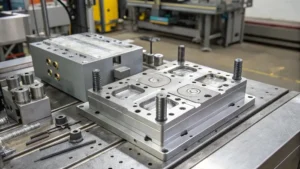
Learn injection mold design basics, including draft, wall thickness, parting line, gates, runners, cooling, vents, ejection and product handoff.

Understand mold flow analysis, what it predicts, how it reduces tooling risk and how to connect simulation findings to design, trials and project cost.
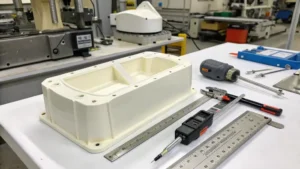
Calculate slider forces by considering cavity pressure, projected area, friction, locking, angle-pin geometry, wear and practical safety margin.
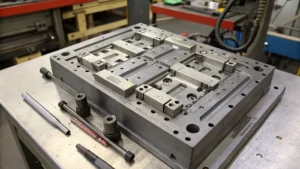
Learn how injection mold sliders create side actions for undercuts, including types, movement, locking, wear, lubrication, cooling and maintenance.
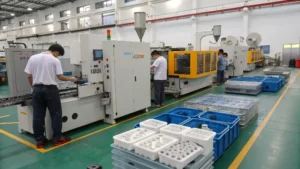
A production guide to thin-wall injection molding covering flow length, gate design, machine response, mold stiffness, cooling, material and quality.
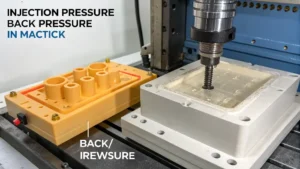
Understand injection pressure, pressure limits, cavity pressure, packing, machine settings, material flow and how to diagnose pressure-related defects.
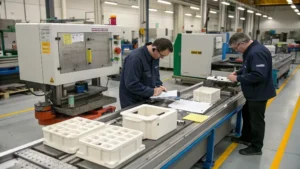
Use a structured root-cause method for injection mold defects by separating material, machine, mold, process, measurement and handling causes.
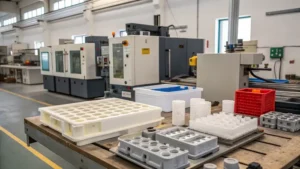
Understand how part contact with the core and cavity affects cooling, shrinkage, release, ejection, vacuum, texture, air and molded-part deformation.
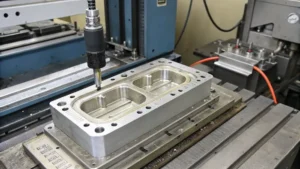
Learn how metal and plastic insert molding combines structural, electrical, sealing and assembly functions through insert design, retention, thermal control and validation.
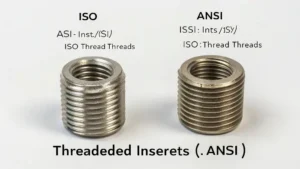
Compare insert molding with separate assembly by tooling, labor, components, quality, automation, volume, cycle, scrap and lifecycle cost.
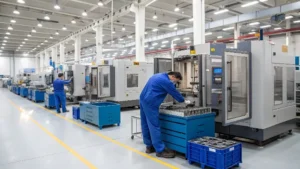
Learn how to source custom injection molded parts in China by defining the RFQ, supplier capability, tooling, quality, logistics and total project risk.
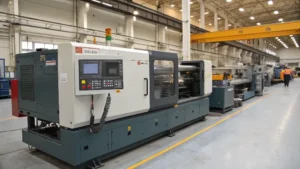
Understand what 180-ton means for a PET preform molding machine, including clamp force, injection unit, hot runner, drying, cooling, mold and output limits.
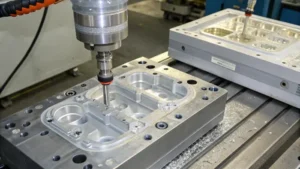
Understand an injection mold as connected feed, forming, venting, cooling, guidance, side-action and ejection systems—and review the interfaces that control quality.
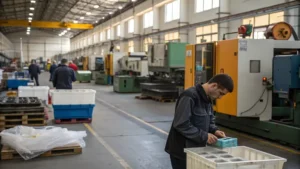
Evaluate a mold maker in China through project-specific DFM, tooling control, trial evidence, ownership, handover, logistics and total-scope comparison.
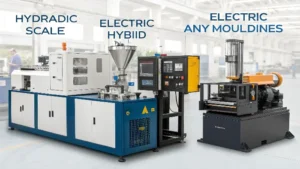
Choose an injection molding machine by shot size, clamp force, injection rate, pressure, tie-bar spacing, mold weight, control and auxiliary capability.