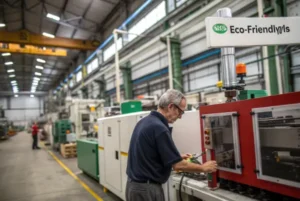
Injection Molding
Machine-to-Mold Interface Checklist for Injection Molding
Check injection molding machine-to-mold fit across platen, tie bars, clamp, shot, pressure, nozzle, ejector, utilities, hot runner, actions, robot and controls.

Check injection molding machine-to-mold fit across platen, tie bars, clamp, shot, pressure, nozzle, ejector, utilities, hot runner, actions, robot and controls.
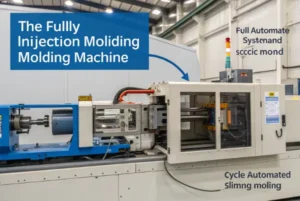
Break down injection molding cycle time into clamp, fill, pack, cool, recovery, ejection and handling, then improve the real constraint without harming quality.
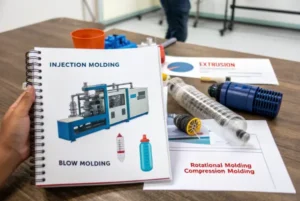
Build an injection molding control plan from resin receipt through drying, setup, molding, cavity inspection, assembly, packaging, traceability and reaction rules.
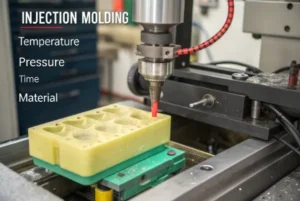
Build an injection molding process window by separating fill, transfer, pack, cooling, recovery and ejection, then linking machine signals to part quality limits.
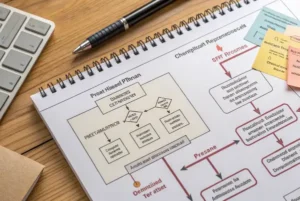
Validate plastic prototypes with a risk-based plan covering material, geometry, assembly, environment, dimensions, function, failure modes and production correlation.
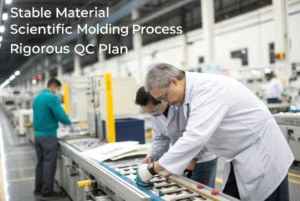
Build a seamless plastic development path by combining 3D printing, SLA, CNC, casting, rapid tooling and injection molding with clear evidence gates.
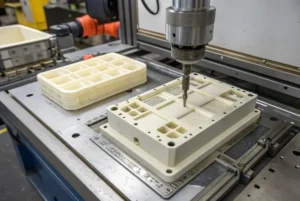
Master CNC machining for plastic prototypes through material choice, fixturing, wall design, tool paths, tolerances, heat, finishing and inspection.
Evaluate whether SLA prototypes can match injection-mold-like surfaces by considering resolution, orientation, resin, post-cure, coating, shrinkage and durability.
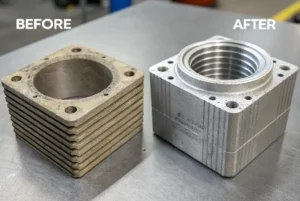
Create stronger, more useful FDM prototypes through print orientation, layer direction, walls, infill, heat, fasteners, post-processing and testing.
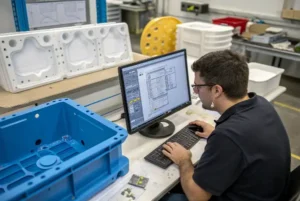
Optimize plastic prototype design with clear goals, datums, walls, ribs, tolerances, assembly features, process limits and a production handoff plan.
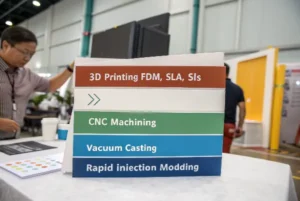
Choose a plastic prototype method by its engineering question: form, fit, surface, material, load, sealing, assembly or molding process, and record its limits.
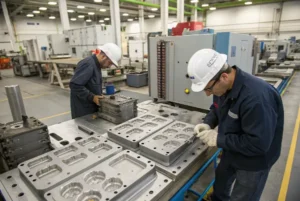
Evaluate PVC material innovations through stabilizers, modifiers, plasticizers, recycled or bio-content, processing, durability, supply and claims.
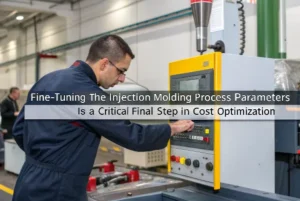
Reduce PVC injection-molded product cost through part mass, cycle, tooling, material handling, scrap, quality, automation and total ownership.
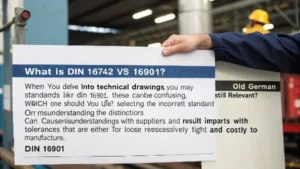
Translate product requirements into injection-molding CTQs covering function, defect consequence, datums, measurement, cavity strategy, controls and reaction plans.
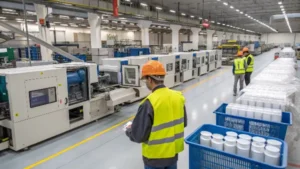
Understand injection molding changeovers through mold fit, material purge, utilities, hot runner, actions, robot setup, thermal stabilization and first-off approval.
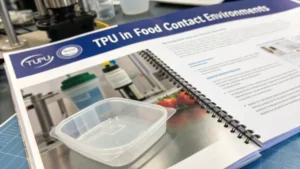
Evaluate TPU for food-contact parts through exact-grade selection, additives, intended use, migration, hygiene, processing, traceability and market documentation.
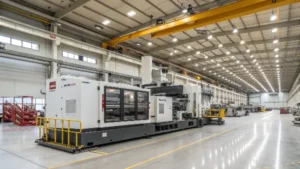
Audit supplier molding capacity using mold fit, demonstrated cycle, cavities, OEE, yield, changeovers, bottlenecks, loading and recovery plans.
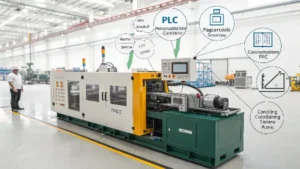
Learn the basics of injection molding machines: injection unit, clamping unit, controls, mold interface, process variables, safety and maintenance.
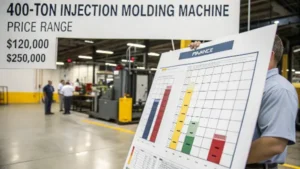
Understand injection molding machine cost through clamp force, shot size, drive system, automation, auxiliaries, precision, service and total ownership.
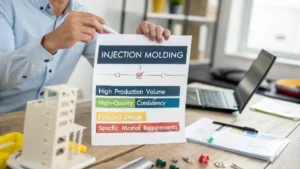
Choose plastic injection molds by comparing volume, geometry, material, tolerances, tooling investment, quality, lead time and alternatives.