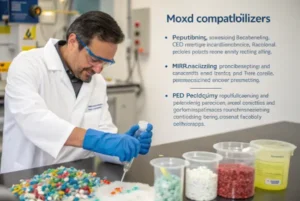
Material
Advanced Polyethylene Recycling: Technologies and Limits
Compare advanced polyethylene recycling technologies, from sorting and mechanical recovery to purification and thermal conversion, with practical limits.

Compare advanced polyethylene recycling technologies, from sorting and mechanical recovery to purification and thermal conversion, with practical limits.
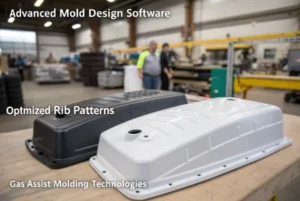
Explore lower-impact PE through recycled content, bio-based feedstocks, downgauging, reuse, design for recycling, traceability and lifecycle validation.
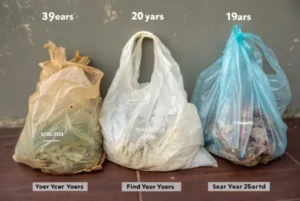
Evaluate biodegradable polyethylene claims through disposal conditions, testing, collection, recycling compatibility, fragmentation, lifecycle and evidence.
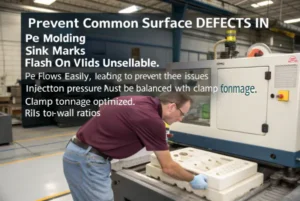
Optimize PE mold design through shrinkage, gates, cooling, vents, warpage control, ejection, cavity balance, maintenance and cycle economics.
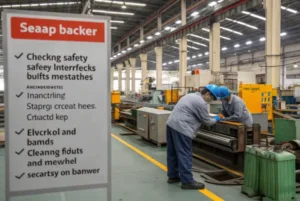
Control polyethylene injection molding through machine safety, material handling, thermal history, vents, process limits, maintenance, inspection and traceability.
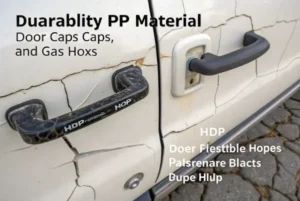
Compare HDPE and PP for automotive components by temperature, impact, creep, chemicals, hinges, stress cracking, molding, assembly and validation.
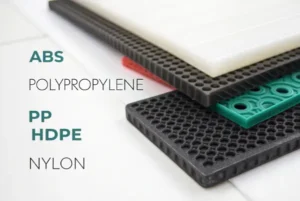
Evaluate polyethylene for automotive parts through impact, chemicals, temperature, creep, UV, stress cracking, molding, assembly and vehicle validation.
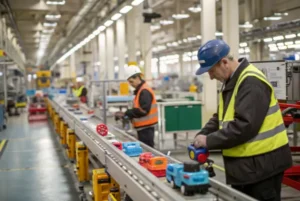
Manufacture safer PE toys through controlled materials, mold design, weld-line strength, assembly, abuse testing, hygiene, inspection and lot traceability.
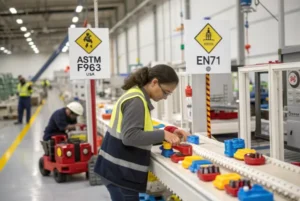
Assess polyethylene toy safety through age grading, mechanical hazards, exact resin and colorants, chemical limits, testing, certification and traceability.
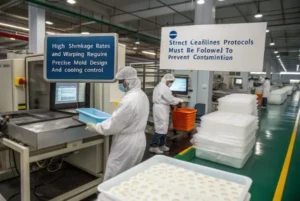
Understand how medical polyethylene is qualified by contact, exact formulation, ISO 10993 risk assessment, manufacturing, sterilization and application testing.
Assess HDPE for a medical-device component by exact resin grade, body contact, sterilization, processing, aging, biocompatibility and device risk.
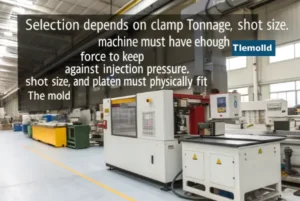
Evaluate an injection molding partner by engineering depth, tooling, quality, capacity, communication, ownership, supply resilience and validation evidence.
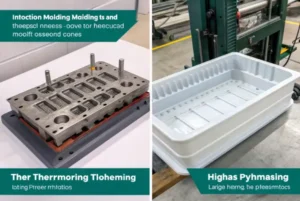
Compare injection molding with CNC, 3D printing, urethane casting, thermoforming and other plastic processes by volume, material, geometry and cost.
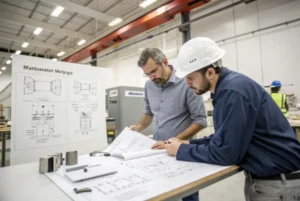
Review injection-molded part DFM from walls, draft, ribs and undercuts through gates, venting, ejection, cooling, tolerances and steel release.
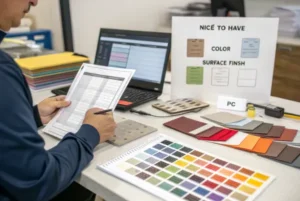
Read a thermoplastic data sheet for molding decisions by checking grade identity, test conditions, rheology, shrinkage, thermal limits, moisture and evidence gaps.
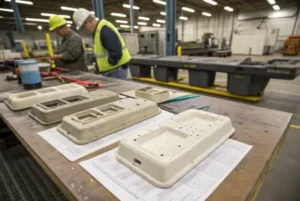
Follow an injection molding project from RFQ and DFM through material, tooling, trials, production approval, quality, packaging and shipment.
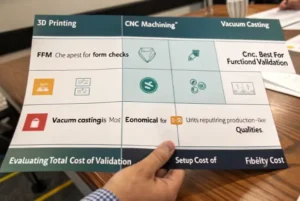
Plan a plastic prototype budget by allocating spend to the highest-consequence design, material, assembly, appearance and production risks at each stage.
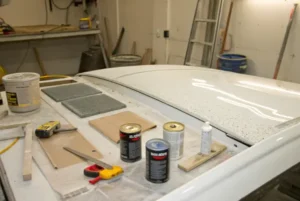
Elevate plastic prototypes with surface planning, sanding, texture, paint, color, assembly, graphics, lighting review and measurable acceptance.
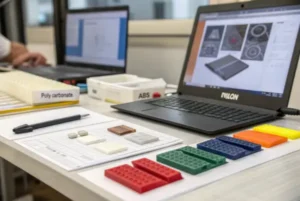
Master the injection molding roadmap from requirements and part design through material, mold, machine, process control, quality and continuous improvement.
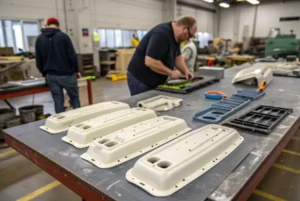
Manage injection molding from product requirements and DFM through material, tool design, trials, validation, production launch and change control.